Reviewed · HOP-ON HOP-OFF BUS TOURS
Munich: Big Bus Hop-On Hop-Off Sightseeing Bus Tour
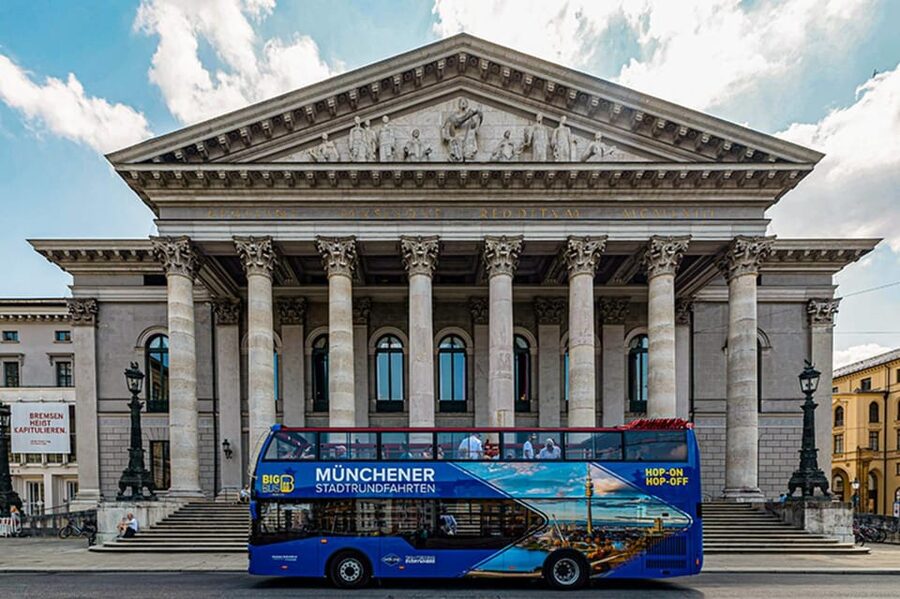
A hop-on hop-off bus is a smart way to see Munich without turning your whole day into a map problem. You get flexibility to hop at key sights, then ride on for views and context using an audio guide in 9 languages. My kind of travel win here is that you can slow down when something looks worth a photo, or move on when you see it is not your vibe.
Two things I really like are the focus on major landmarks across town, from Marienplatz and the art museum area to Nymphenburg Palace and the BMW campus. Another plus is that the bus itself is an open-top double-decker, so you can actually enjoy the city as you go. The one drawback to consider is simple timing reality: the later part of the route runs less often, and the schedule can shift seasonally, so you need a little buffer if you want very specific arrival times.
Key things I think are worth your attention
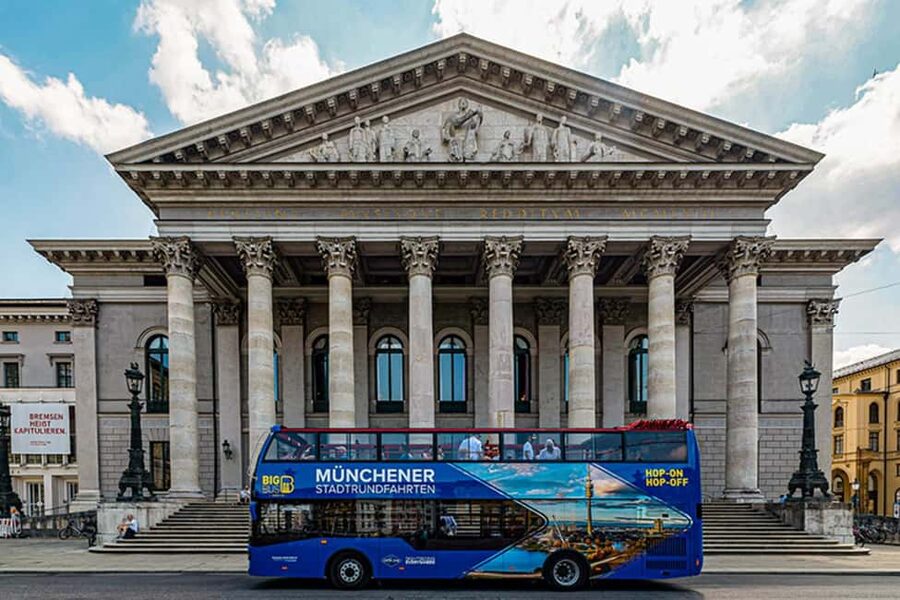
- Hop-on hop-off freedom: build your own day, or stay seated for the full route length of about 2.5 hours.
- Audio guide in 9 languages: Chinese, English, French, German, Italian, Japanese, Portuguese, Russian, Spanish, with headphones provided.
- Good service early, slower later: buses every 20 minutes daily for stops 1 through 7, then every 60 minutes daily for stops 7 through 11.
- Top Munich zones on the map: old-town squares, the art district, plus the Orange route reach to Nymphenburg, Olympiapark, and BMW.
- A must-know construction note: the Deutsches Museum stop is temporarily suspended due to construction work.
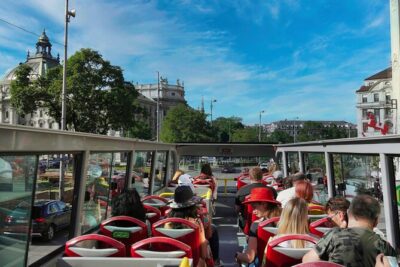
- Real weather proofing: the double-decker has a retractable roof, handy when Munich decides to rain.
Munich at street level: how the Big Bus loop helps you orient fast
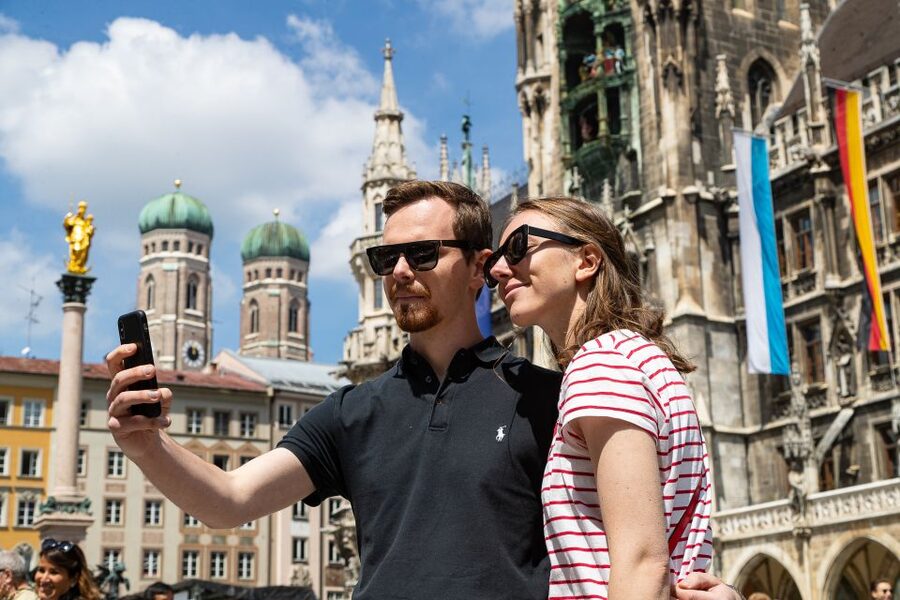
This is one of those tours that works best when you are arriving with only a partial mental picture of the city. Munich is spread out, and the best sights are not always walkable in a clean straight line. The Big Bus route stitches together the classic core, then reaches outward to palaces, parks, and modern architecture, so you get a usable overview quickly.
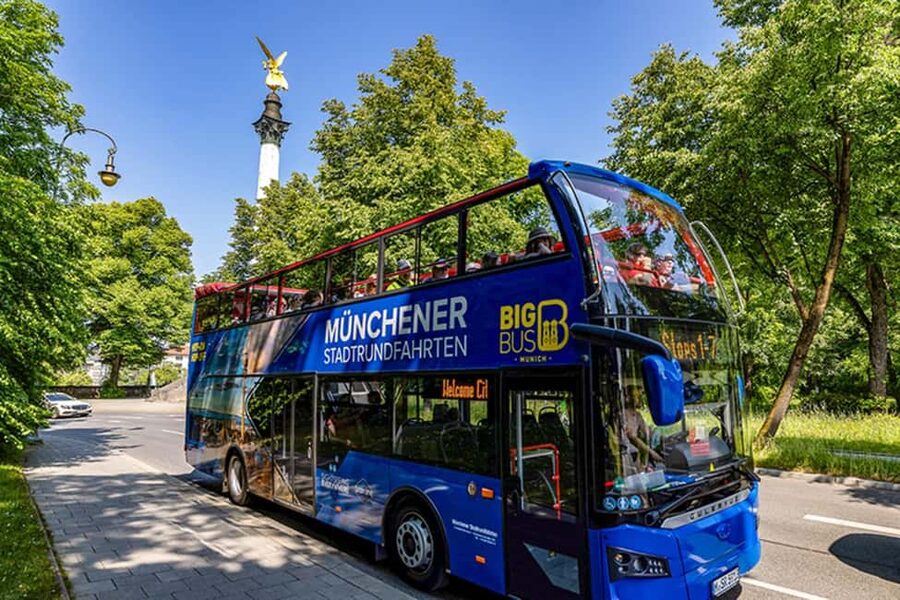
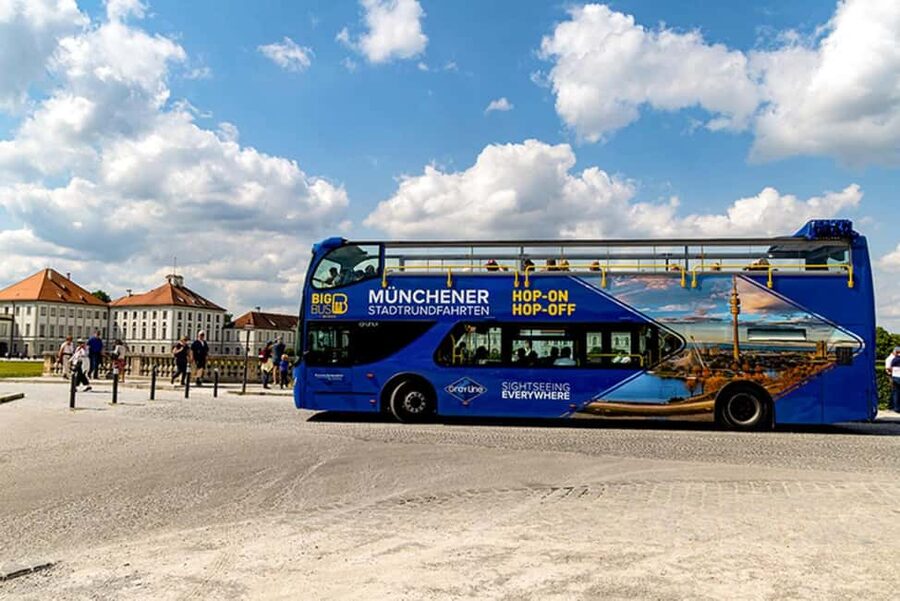
You also get a proper viewing platform. The bus is blue, open-top, and double-decker, which means big sightlines over traffic and buildings. One practical detail I like is the mention of a retractable roof, so even when the weather gets cranky, you are not stuck completely without views.
Onboard perks are basic but helpful. You get WiFi, so you can check what you want to do at your next stop, and you can keep your bearings without burning through roaming data.
More hop-on hop-off bus tickets:
- Munich Hop-On Hop-Off Tour: 1-Day or 2-Day Ticket
★ 4.3 · 4,161 reviews - Munich City Hop-on Hop-off Tour
★ 3.5 · 1,233 reviews - Hop-On Hop-Off Tour CitySightseeing Munich
★ 4.0 · 309 reviews
Choosing your 24 or 48 hour ticket without overplanning
You have two ticket lengths: valid for 24 or 48 hours. That choice should match how many areas you want to hit, not just how many days you are in Munich.
If you only have a day and you mostly care about the center, a 24-hour ticket can be enough because the buses run more frequently in the earlier section of the route (stops 1 through 7). In other words, you are less likely to feel trapped by wait times when you are bouncing around Marienplatz, the museum quarter area, and the pedestrian shopping zone.
A 48-hour ticket is the calmer option. It gives you room to do the outward stretch too: Nymphenburg Palace, Olympiapark, BMW Welt and BMW Museum, and then back through Schwabing for the English Garden area. The tradeoff is cost, but you are paying for time flexibility and the onboard audio narration that ties the city together.
One more timing point to keep in mind: if you do not hop on or off and you just stay on board, the entire route takes about 2.5 hours. That is a solid sampler, but most people end up hopping because the stops are where you want to walk and linger.
Stop by stop: where each early stop turns into a walkable moment
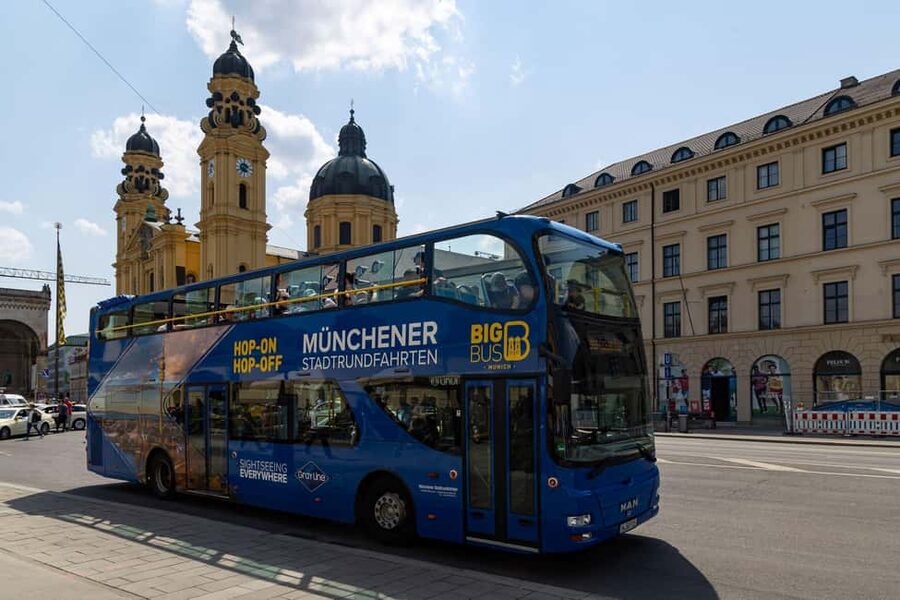
This tour runs a route with named stops, and the early section is the most frequent. From a planning point of view, think of stops 1 through 7 as your Munich foundation. You will learn the city’s layout, then use the rest of your time to go deeper.
Stop 1: Karlsplatz and Stachus area
Karlsplatz/Stachus is a convenient starting anchor. This is a good place to begin because it sits in a central zone where you can reach a lot on foot. It also lines up with the broader theme of the route, which is pairing sightseeing views with places you can actually explore at street level.
Also reviewed in and around Munich:
- From Munich: Neuschwanstein & Linderhof Castle Full-Day Trip
★ 4.5 · 12,494 reviews - Neuschwanstein & Linderhof Castle-Fairytale Day Tour from Munich
★ 4.5 · 7,275 reviews - Munich: Third Reich & WWII Walking Tour
★ 4.6 · 6,181 reviews - Dachau Concentration Camp Memorial Site Tour from Munich by Train
★ 4.5 · 5,637 reviews
Stop 2: Kunstareal, the art district
Next up is the Kunstareal. This is where the bus helps you understand why Munich has such a strong arts reputation. You get passing views of the area and a sense of the scale and style of the museum buildings around you. For people who like architecture, this is one of the better stretches to stay on the upper deck and look around.
Stop 3: Odeonsplatz
Odeonsplatz is another photo-friendly stop. The bus glides you past key views here, and it is a useful waypoint if you want to step off for a short stroll, then rejoin the bus without losing your whole plan.
Stop 4: Eisbach
Eisbach is listed as a stop, so you can treat it like a quick transition between the grand civic and museum squares and the older town atmosphere ahead. In practice, it is a good place for a short break, stretch your legs, and reset before the city center gets busy.
Stop 5: Deutsches Museum stop, temporarily suspended
The Deutsches Museum stop is shown as temporarily suspended due to construction work. So if you were hoping to jump off there, plan your sightseeing around the nearby city center instead. The good news is the rest of the route keeps moving through the most important downtown areas.
Stop 6: Marienplatz and Tal
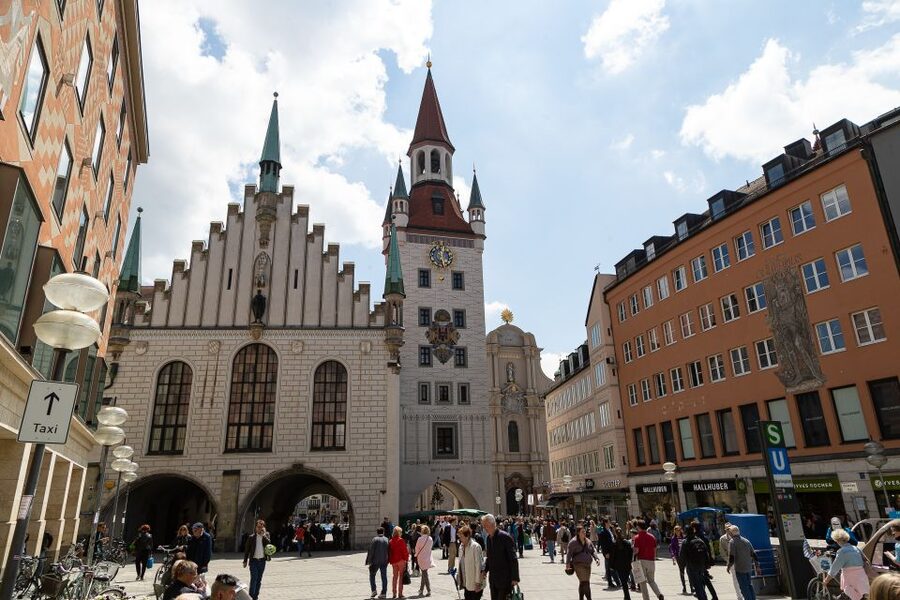
Marienplatz is where Munich turns into pure classic city energy. This is a core stop, and it is the kind of place where you can hop off, wander, then return to the bus later without feeling like you missed the main event.
This part of the route also connects with the things people often come to snack on or sample in Munich. The route passes the Viktualienmarkt and Hofbräuhaus area, so you are set up to turn a bus ride into a real meal stop if you want one.
Stop 7: Max-Joseph-Platz
Max-Joseph-Platz is another strong city-center pick. It is the kind of stop where you can step off, take in the building facades, then either walk back toward the squares or just keep going on the bus. Since buses are more frequent here, you are less stressed about rejoining.
The Orange route to Nymphenburg Palace: what makes it worth your time

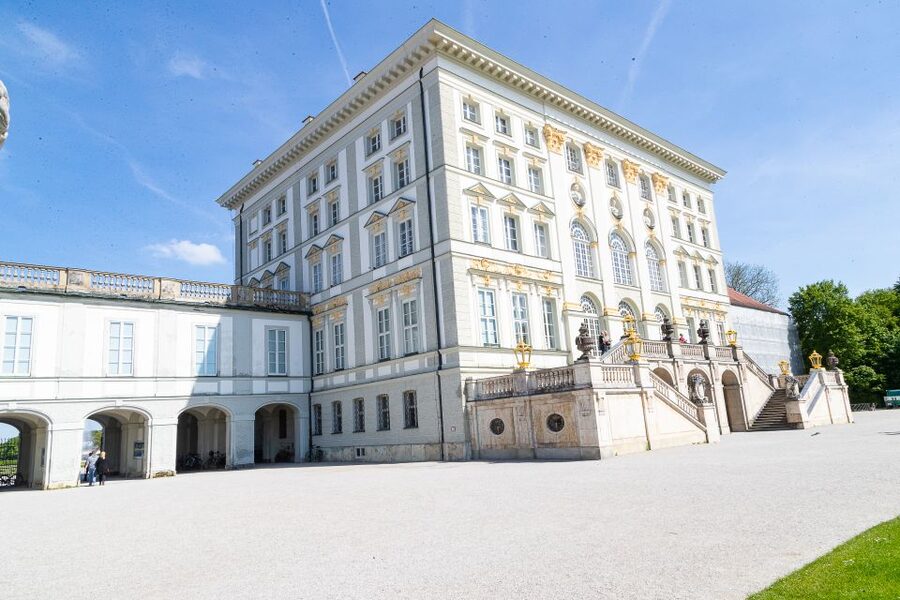
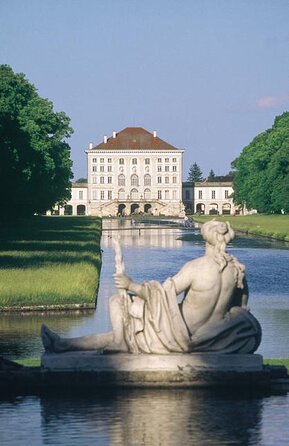
Nymphenburg Palace is the headline for people who want Munich beyond the streets and squares. The bus heads here on the Orange route, and the stop is named Nymphenburg Palace.
The big value is that you get palace-and-gardens time, not just exterior views from a moving vehicle. This is also where a hop-on hop-off bus is better than a strict walking route, because palace grounds take time and you do not want to rush. You can get off, explore at your pace, then rejoin when you feel ready.
One practical tip: make sure your ticket option actually includes the larger palace loop. There is at least one clear warning from experience that Schloss Nymphenburg may not be included unless you buy the right version of the tour. If Nymphenburg is on your must-see list, double-check that your plan matches it before you commit your day.
BMW Welt, BMW Museum, and Olympiapark: modern Munich without the headaches
On the outward stretch you move into the modern, futuristic vibe Munich is also known for. Stops here focus on BMW Welt, BMW Museum, and Olympiapark.
The setup is perfect for a “see it from the outside first” approach. Even if you do not do every indoor ticketed element, the bus ride gives you an easy way to orient yourself around the campus and park area.
Two things to plan around:
- Allow extra time. One experience note pointed out that a planned arrival can run late around the BMW area, so do not schedule your next activity with zero buffer.
- Use your audio guide. This is the section where context helps. When you have the narration running, you spend less mental energy guessing what you are looking at.
Olympiapark is also listed as a stop. That matters because it gives you the option to step off and walk the grounds rather than just passing by on the main road. If you like your sightseeing with breathing room, this part of the route fits.
Schwabing and the English Garden: the best payoff for stretching your legs
The last major stop on the route is Schwabing and the English Garden. This is where the tour turns from “buildings and museums” into park time.
The highlights describe the beer garden experience, and Munich fans know the English Garden is where that culture shows up in a big way. Even if your main goal is simply to relax, hop off here for the feel of a wide-open public space that is part park, part social scene.
This is also a good place to do slower sightseeing. The bus frequency later in the day is less frequent than in the center, so treat this stop like a planned block of time. Once you find your rhythm in the park area, enjoy it, then head back toward your pickup point when you are ready.
Audio guide and WiFi: how to actually use them on a bus tour
This tour gives you more than a map. It includes an audio guide with headphones, with narration available in 9 languages. That is a big deal if you want history and context without needing to book extra guided walks.
You get narration languages including:
- Chinese
- English
- French
- German
- Italian
- Japanese
- Portuguese
- Russian
- Spanish
The driver speaks English and German, but the tour’s main interpretation is delivered through the audio guide system with headphones provided. I recommend you use the audio as your default, even if you think you will remember the names. When you step off at a stop, the narration helps you connect the place you are standing in with what you just heard.
WiFi onboard is a practical bonus. It is useful for quick photo checks, restaurant searches near a stop, or confirming which stop you want to hop from next.
One small caution: there is a note that a synced display of places would make it easier. Since you may not have that kind of visual aid, keep an eye on stop names and listen for the segment that matches where you are going. It is not hard, just a smart habit.
Getting on and off smoothly: timing, weather, and real-world tips
Munich can be a perfect walking city, but weather changes your plans. If it rains, the open-top concept still works because of that retractable roof detail. You can stay comfortable while keeping decent views.
Buses run on a schedule that is not identical across the whole route. The early segment (stops 1 through 7) runs about every 20 minutes daily. The later segment (stops 7 through 11) runs about every 60 minutes daily. This matters because it changes how carefully you should time longer stops like Nymphenburg, BMW, and the English Garden.
Also, the route is seasonal. Schedules can shift in summer and winter, so treat posted times as “best estimate,” not a promise.
Finally, plan for the one construction disruption. The Deutsches Museum stop is temporarily suspended. If you were counting on it, do not assume you will get off there. Instead, keep your main downtown hopping options flexible.
Who this tour fits best, and who should think twice
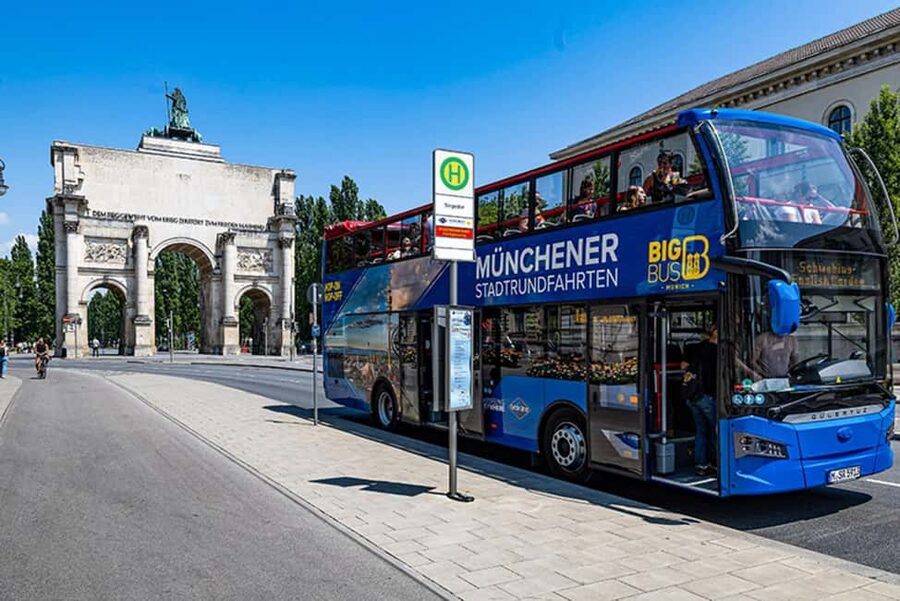
This is a good fit if:
- It is your first visit and you want quick orientation across major Munich neighborhoods.
- You want to manage your day flexibly, hop off, and come back without hunting for transit.
- You care about pairing big sights with the chance to walk a bit on your own.
It is also great for rainy days. The bus keeps you moving and connected, even when you would rather not stand out in weather.
It is not the best fit if:
- You want deep, timed museum experiences and you are the type who wants to optimize every hour inside specific buildings.
- You hate any uncertainty. The route has frequency differences, and one stop is suspended due to construction, plus seasonal timing changes.
On price, it lands at $27 per person. For some people, that feels fair because you are buying 24 or 48 hours of transport plus audio narration plus onboard WiFi. For others, especially families where all adults are priced the same, the total can sting. If you are traveling as a group, do the math based on how many days you will truly use, not just how long you are in Munich.
Final call: should you book this Munich hop-on hop-off bus?
Book it if you want a simple, low-stress way to cover the big names in Munich, and you are happy letting the audio guide give you the context while you move at your own pace. I especially like it as a first-pass plan, then you can come back later to your favorite neighborhood.
If Nymphenburg Palace and the BMW area are top priorities, consider a longer ticket window, because the later parts of the route run less frequently and you will want time to breathe.
If you hate schedule risk, go in with buffers. Construction affects the Deutsches Museum stop, and arrival timing around the BMW area may not match your ideal. With a little flexibility, this tour is a strong value way to see Munich in a single connected story.
FAQ
How long is the ticket valid for?
The ticket is valid for either 24 hours or 48 hours, depending on what you select.
If I stay on the bus the whole time, how long is the route?
If you do not hop on or off, the full route takes about 2.5 hours.
How often do buses come at the stops near the city center?
Buses come every 20 minutes daily for stops 1 through 7.
How often do buses come on the later part of the route?
Buses come every 60 minutes daily for stops 7 through 11.
What are the big areas this route covers?
You can cover Munich highlights like Marienplatz, the museum area around Odeonsplatz and the Pinakotheken, Viktualienmarkt, Olympiapark, BMW Welt and BMW Museum, plus stops for Nymphenburg Palace and the English Garden.
Is there an audio guide, and what languages are offered?
Yes. The audio guide is included with headphones, and it is available in Chinese, English, French, German, Italian, Japanese, Portuguese, Russian, and Spanish.
Does the bus have WiFi onboard?
Yes, WiFi is provided onboard.
Is the bus wheelchair accessible?
Yes, the bus is wheelchair accessible.
Is hotel pickup and drop-off included?
No. Hotel pickup and drop-off are not included.
Is every stop available right now?
No. The Deutsches Museum stop is temporarily suspended due to construction work.
Recently added around Munich
- München: Vegetarische Viktualienmarkt-Probiertour Deutsch★ 4.8 · 6 reviews
- Private Transfer from Munich to Vienna with 2 hours for sightseeing★ 4.5 · 6 reviews
- Munich Walking Quiz: Explore and Discover the City’s Highlights★ 5.0 · 7 reviews
- Walking Tour on Resistance to Nazism in Munich★ 5.0 · 8 reviews
- 2 hour Sights Guided E-Scooter Tour in Munich★ 4.0 · 6 reviews
- Private Transfer from Munich to Salzburg with 2 hours for sightseeing★ 4.5 · 13 reviews
- From Munich: Neuschwanstein Castle and Linderhof Private Tour★ 5.0 · 13 reviews
- Paul’s Private Tour Munich Highlights★ 5.0 · 3 reviews
Hop-On Hop-Off Bus Tours, compared.
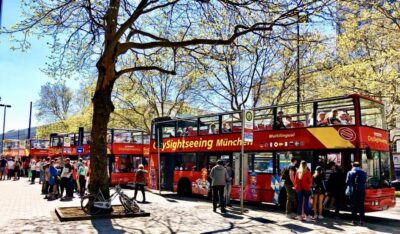
Munich Hop-On Hop-Off Tour: 1-Day or 2-Day Ticket
Read our review →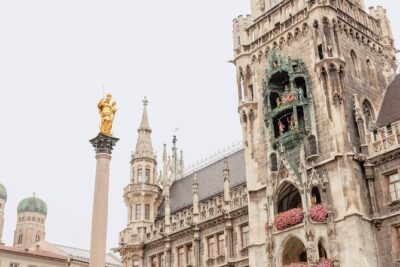
Browse the lists this tour appears in