Reviewed · DACHAU MEMORIAL VISITS
Dachau Memorial Public Tour
This experience is interesting because Dachau was the Nazis first concentration camp, opening in 1933, and it later grew into a brutal forced-labor system that held people from many countries. I like that the tour keeps things human, focusing on how guards and prisoners experienced daily camp life. I also like that the guide explains the worst parts of the Nazi program, including the medical experiments and the targeting of Roma prisoners.
The main drawback to think about is emotional weight. This is not a casual history walk, and you should be ready for heavy subject matter and vivid details. If you prefer lighter sightseeing, plan something else the same day.
Key highlights worth your time
- A guided walkthrough of Dachau’s role as the Nazis first camp, and how it changed over time
- Daily camp dynamics, so you understand how prisoners and guards actually operated inside the system
- Nazi medical experiments, explained in a way that centers the victims and their vulnerability
- Roma prisoners’ experiences, included as a core part of the story rather than a side note
- Survivor testimony style storytelling, bringing resilience and survival into focus
- A 5-hour format, long enough for context, not so long that you are stuck in one place all day
From Marienplatz to Dachau: how the timing and transport work
The day starts at the Fish Fountain, Marienplatz 8, in Munich. That matters because it is a busy, landmark-heavy area, and meeting points that are easy to find help you keep stress low when you are heading toward a solemn site. The tour is scheduled for 5 hours, and it uses a public transport ticket that is included in the price.
That combination is a real value point. When you have a tight time window, it is helpful to know you are not also sorting out trains and transfers. You will still want to give yourself buffer time on the front end, because the tour is focused and you do not want to arrive late and miss context the guide is building.
One practical note from real booking experience: some people have reported confusion around guide location or contact details. I cannot fix that for you, but I can tell you what to do. Before you leave, save your booking confirmation, double-check the meeting point text, and keep it on your phone offline. If your plans rely on someone finding you, do not wait until the last minute to confirm.
Other Dachau memorial visits from Munich:
- Dachau Concentration Camp Memorial Site Tour from Munich by Train
★ 4.5 · 5,637 reviews - From Munich: Dachau Memorial Site Day Tour
★ 4.8 · 2,723 reviews - From Munich: Dachau Memorial Site Half-Day Trip
★ 4.7 · 2,526 reviews
Dachau’s origin in 1933, and why it became a model of terror
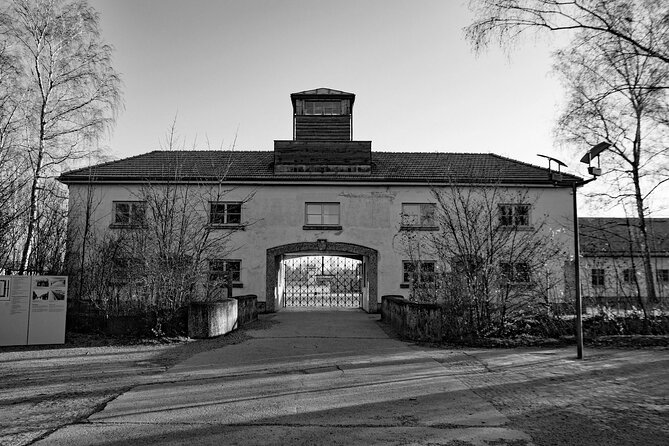
At the core of this tour is the fact that Dachau was the Nazis first camp, opening in 1933. It started with a purpose that was narrower than the later reality: it was originally intended to hold political prisoners. Over time, the camp’s function expanded into forced labor, and it became part of a larger machinery of repression.
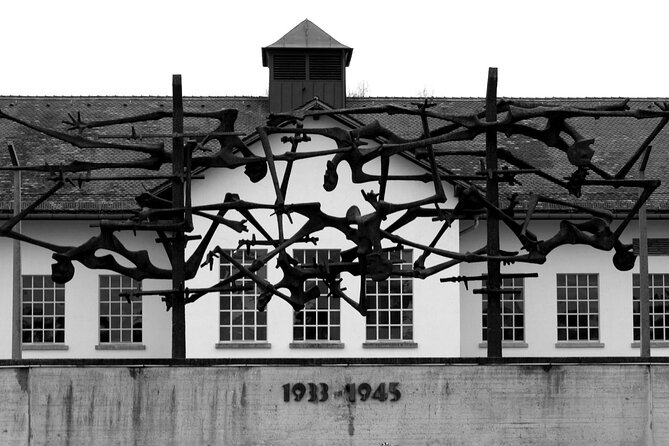
You’ll hear the camp described in terms of system and scale. Over its 12 years of operation, Dachau held more than 200,000 inmates, and the memorial covers the period from opening through liberation in 1945. The guide also frames Dachau as an “Academy of Terror,” including the idea that it served as a training ground for brutality. That context can be chilling, but it is also important, because it helps you connect individual suffering to an organized ideology, not random cruelty.
This portion is valuable because it changes how you read what you see later. Instead of treating Dachau as a single snapshot of horror, you start to recognize progression: policies, practices, and the expanding use of forced labor and violence.
Walking through daily life: guards, prisoners, and camp dynamics
A big reason to choose a public guided tour here is that the guide gives structure. Dachau can feel like an enormous, difficult-to-navigate topic. In this tour format, you are guided through the camp dynamics, including what daily life looked like for prisoners and how guards interacted with that reality.
The tour highlights the power imbalance, and it does not keep it abstract. You’ll get explanations that connect the presence of guards, the routine forced on prisoners, and the way control worked on a physical and psychological level. If you’ve ever visited memorial sites where the information feels scattered, a good guide helps you connect the dots so your visit has meaning beyond walking from one area to another.
One caution: the subject matter is intense. If you tend to shut down emotionally when you get overwhelmed, pace yourself mentally. Step back for a moment if you need air, and accept that you may not process everything in one pass. A 5-hour tour gives enough time to understand, but it also means you may want to plan for a quieter evening afterward.
Medical experiments on prisoners: why this section matters
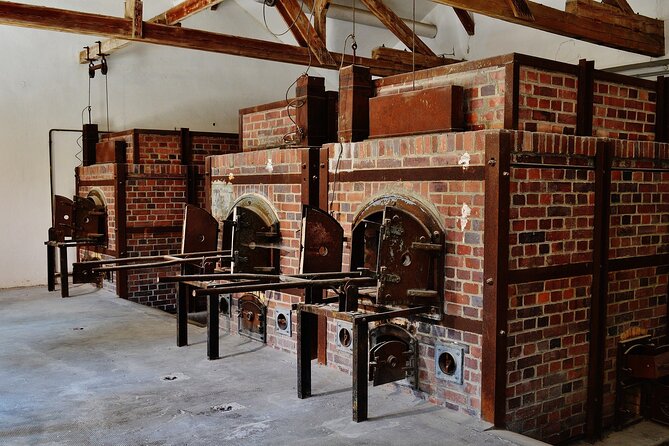
This tour includes coverage of gruesome medical experiments carried out on helpless prisoners. Even if you already know Dachau’s name is tied to atrocities, hearing this explained with a focus on victims changes the impact. The point is not sensational detail. The point is the moral violation: human beings treated as material for experiments, with suffering as the cost.
I like that the tour includes this topic directly, because it completes the picture of how the camp system functioned. Forced labor is horrifying on its own. Adding experimental abuse shows how Nazi cruelty extended into science, medicine, and institutions that should have protected people.
Also, learning the “why” behind how these experiments were possible is part of the value. You are not just absorbing what happened. You’re learning how a system of dehumanization allowed it to happen at scale.
Also reviewed in and around Munich:
- From Munich: Dachau Memorial Site Full-Day Tour
★ 4.9 · 1,406 reviews - Dachau Concentration Camp Memorial Tour with Train from Munich
★ 4.5 · 955 reviews - Early-Start Dachau Memorial Half-Day Tour from Munich
★ 5.0 · 942 reviews - Guided Dachau Concentration Camp Memorial Site Tour with Train from Munich
★ 5.0 · 920 reviews
Roma prisoners: facing targeted persecution with full attention
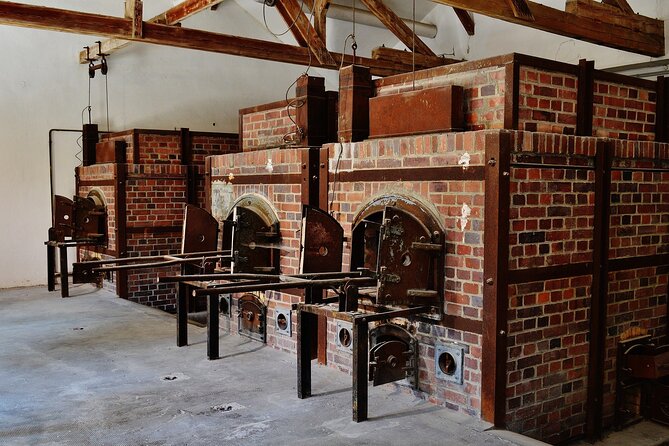
Another key element is that the tour illuminates the dreadful fates of Roma prisoners, including how their persecution fit into the Nazi camp system. This matters because many people leave memorial visits with a simplified mental picture. Dachau was not just one group, one story, one category.
By covering Roma prisoners as a core part of the narrative, the tour helps you understand that the Nazi system targeted different communities and used imprisonment as a method of destruction. You get a clearer view of what “many countries” and “many victims” actually mean, instead of keeping it as a vague statement.
As you walk and listen, try to hold onto the idea that individual identity mattered to the victims even when the camp erased it in practice. A guide can’t restore what was taken, but good interpretation keeps the people behind the numbers in your mind.
Numbers, nations, and the liberation in 1945
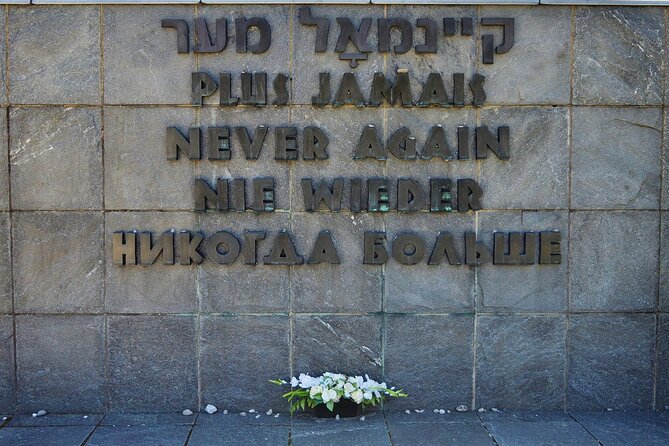
Dachau’s scale is hard to grasp without anchors. The tour provides several. It points to about 40,000 deaths from 34 nations before liberation in 1945 by the American army. It also returns to the broader “over 200,000 inmates” figure from the camp’s operating period.
You do not need to memorize numbers to benefit from them. I find that figures are useful only when they help you think. Here, they help you understand that the camp was international in reach, and the violence was systematic, not isolated.
This is also where the memorial purpose comes into view. The tour is not built to shock and leave you numb. It is built to explain why Dachau became a lasting record, and how survival and liberation entered the story.
Price and value for a 5-hour guided visit from Munich
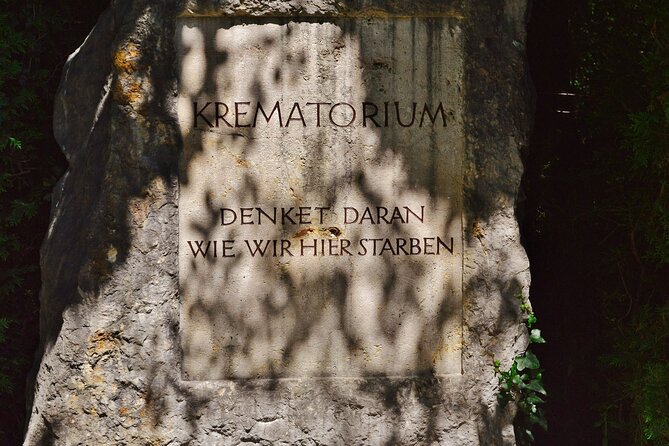
The price is $126 per person, and it includes several things that add up in real life: a local professional guide, a ticket for public transport, and an online payment processing fee.
To judge value, focus on what you are buying: interpretation plus time. A memorial like Dachau benefits from a guide because the site is tied to policy and procedure, not just individual tragedy. Without guidance, it is easy to miss the connections that make the story understandable. With guidance, you can spend your energy on absorbing meaning rather than assembling a puzzle.
Two tradeoffs are worth noting. First, this tour does not include food and beverage, so you’ll want a plan for the before and after. Second, since it is 5 hours, you should avoid scheduling anything rushed right afterward. Your brain and emotions may need time to settle.
Who is it best for? If you want facts, context, and a structured walk through major themes like forced labor, experiments, and Roma persecution, this is a strong match. If you need a light, distraction-free day, choose a different type of tour.
What to do before you go to make the day easier
I recommend simple prep for a place like this. Wear comfortable shoes, since you will likely be on your feet for a sustained period. Bring a layer, because weather can change and you may spend time standing quietly.
Also, emotionally, decide what kind of day you want after the tour. Keep dinner close by. Skip high-energy plans. If you travel with someone, agree on a quiet checkpoint so you can both reset without feeling rushed.
Finally, about logistics: since some booking experiences have reported missing or confusing guide contact details, take a screenshot of your confirmation and keep the meeting point directions saved. It is a small step that prevents a big headache.
Should you book the Dachau Memorial Public Tour?
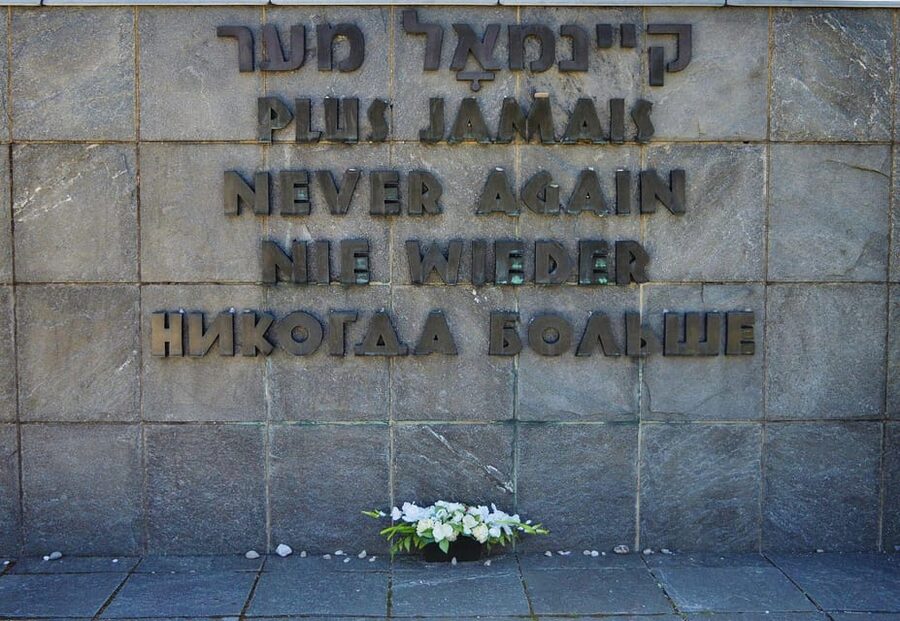
Yes, if you are ready for a serious, guided explanation of Nazi Germany’s first concentration camp and how it evolved into a system of forced labor, experimentation, and targeted persecution. The standout strength is the way the tour includes major themes directly, including medical experiments and the fates of Roma prisoners, plus the human side through survivor-style storytelling.
Think twice if you are easily overwhelmed by heavy history, because this visit is emotionally heavy by design. If that is you, consider a shorter, lower-intensity option, or pair it with extra recovery time rather than packing your schedule.
If you book, do it smart: plan comfortable clothing, save your meeting point details, and give yourself space to process what you learn during the 5-hour experience at Dachau.
Recently added around Dachau
- Munich WWII and Dachau Concentration Camp Private Tour with Licensed Guide★ 5.0 · 3 reviews
- Dachau Memorial Public Tour★ 5.0 · 4 reviews
- Private Dachau Memorial Site Tour from Munich★ 5.0 · 10 reviews
- Munich: Dachau Concentration Camp Memorial Site Tour by Car★ 3.0 · 4 reviews
- Private Dachau Concentration Camp Tour with Private Transfer from Munich★ 5.0 · 16 reviews
- From Munich: Dachau Concentration Camp Private Tour by Car★ 4.8 · 20 reviews
- Half-Day Private Dachau Concentration Camp Tour From Munich★ 5.0 · 29 reviews
- Private Dachau Concentration Camp Memorial Site Tour from Munich★ 5.0 · 30 reviews
Dachau Memorial Visits, compared.
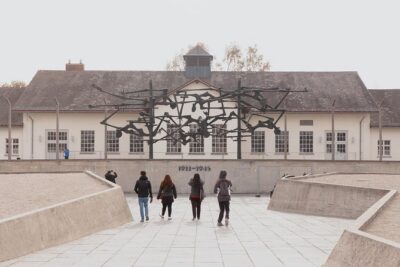
Dachau Concentration Camp Memorial Site Tour from Munich by Train
Read our review →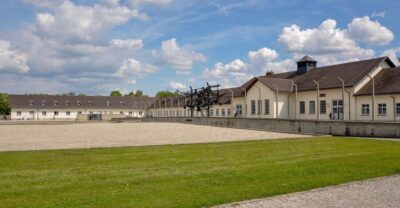
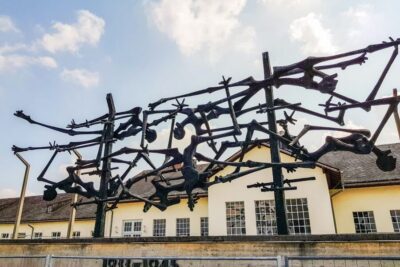
Dachau Concentration Camp Memorial Tour with Train from Munich
Read our review →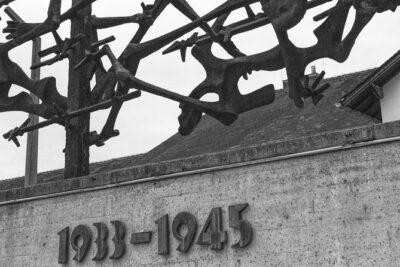
Early-Start Dachau Memorial Half-Day Tour from Munich
Read our review →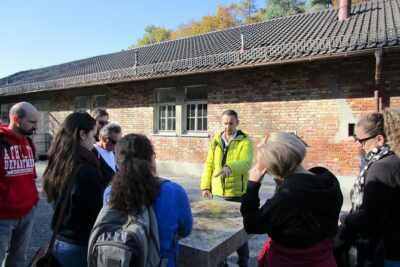
Guided Dachau Concentration Camp Memorial Site Tour with Train from Munich
Read our review →
Full-Day Dachau Concentration Camp Memorial Site Tour from Munich
Read our review →Browse the lists this tour appears in