Reviewed · DACHAU MEMORIAL VISITS
Munich WWII and Dachau Concentration Camp Private Tour with Licensed Guide
This is the kind of day trip that forces you to pay attention, because you track WWII-era history right through the streets of Munich and then face it head-on at Dachau. I like that you get a licensed guide who can explain what you are seeing, and I like the private minivan with chauffeur that keeps the day moving without the stress of public transport. The main consideration is emotional weight, since Dachau is heavy and you should plan for a long, reflective experience.
The value here comes from how much is packed into one route, without turning it into a quick photo sprint. You also get practical touches like mineral water and the promise of no hidden costs. If you prefer light, upbeat sightseeing all day, this is not that kind of tour.
Key Points Before You Go
- Licensed, professional guidance for both Munich and Dachau, so you are not piecing facts together yourself
- Private transportation in a VW or Mercedes minivan with chauffeur, or a small coach for bigger groups
- A full sweep of Nazi-era sites around Munich plus major resistance and memorial locations
- Dachau visit with time to process, typically 1.5 to 2.5 hours at the memorial site
- Comfort-minded planning, including mineral water and a note about footwear for pebbly paths
- One strong review takeaway: Max did an excellent job of helping people see everything they came for, and more
Munich WWII Meets Dachau, In One Smooth Day
What makes this experience stand out is the way it links two layers of history. Munich gives you the visual and political backdrop, then Dachau brings the human reality of the system into sharp focus. Done well, that pairing helps you understand how ideology moved from propaganda to state power to terror.
I really like that the day is guided start to finish, not just at one stop. A licensed guide can connect details you would otherwise miss, like why specific buildings were used and what survived the bombing. And with a chauffeur waiting, you lose less time to logistics and more time to seeing.
The drawback is that the day runs long, about 9.5 hours, and Dachau takes a real chunk of your energy. If you want lots of free time and optional detours, plan to keep it flexible, since the route is built to cover both Munich and Dachau thoroughly.
Other Dachau memorial visits from Munich:
- Dachau Concentration Camp Memorial Site Tour from Munich by Train
★ 4.5 · 5,637 reviews - From Munich: Dachau Memorial Site Day Tour
★ 4.8 · 2,723 reviews - From Munich: Dachau Memorial Site Half-Day Trip
★ 4.7 · 2,526 reviews
Price and Value: What You Are Actually Paying For
At $804.18 per person, this is not a budget tour. But the price starts to make sense once you look at what is included and what is removed from your day.
You are paying for:
- Private transportation in a new VW or Mercedes minivan with air conditioning, plus a chauffeur
- Licensed professional guiding for both Munich and the Dachau memorial visit
- Access to the route of Nazi buildings and memorials around Munich and the outskirts
- Mineral water during the tour
- A clear promise of no hidden costs
If you were to do this on your own, you would still need timed entry planning, reliable transport to Dachau, and a guide who can interpret what you are seeing. Here, those parts are bundled into one day, which is a big deal when you are trying to get it right.
Lunch is not included, so you will need to plan on either bringing something or buying food near a break you can work into the schedule. Tips are also not included, so keep that in mind for your personal budgeting.
Hotel Pickup and How the Day Starts Right
The logistics are built around an easy morning. You can be picked up from any hotel or address in Munich with set options at 8:00 a.m., 9:00 a.m., or 9:30 a.m. You can also request another pickup time, as long as you arrange it in advance.
For groups, the transportation scales smartly:
- Your group travels in a VW or Mercedes minivan if it is just your party
- For groups larger than 7, you move in a small coach with a driver
This matters because WWII-era Munich sightseeing is spread out. With a chauffeur doing the driving, you can stay focused on the history, not on where the next stop is or how to get there fast.
If you are arriving by air, pickup and return outside Munich can be possible for requests like the airport. Just note that additional costs may apply, so you will want to confirm those details before you go.
Munich First: Marienplatz to Frauenkirche and St. Michael
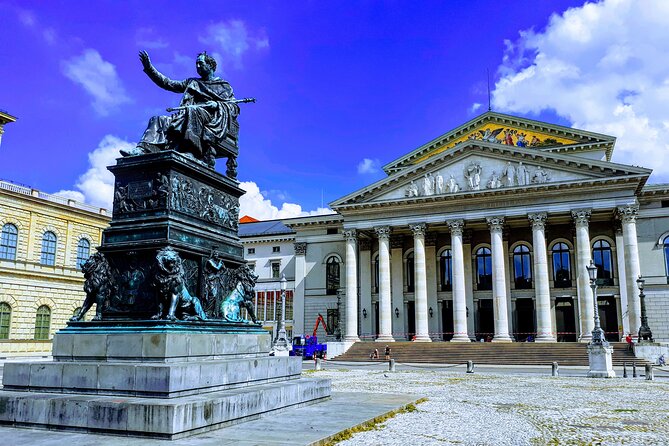
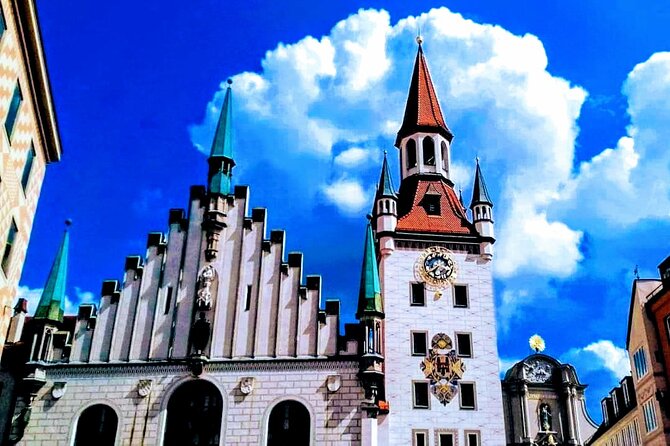
Your day begins in central Munich around Marienplatz, the city’s long-running civic heart. Your guide gives an overview of what the square meant historically, and then ties it to the WWII-era story, including how the neo-Gothic town hall area was decorated in the Nazi period.
Even if you already know Munich has layers of history, this part helps you notice how power likes to stage itself in the middle of ordinary life. It is not just about big buildings. It is about symbolism in public space.
From there, you visit Frauenkirche, Munich’s famous late Gothic cathedral built in about 20 years. The key point is not the architecture alone, it is how the guide uses historical images to show the destruction caused by Allied bombings and how rebuilding changed parts of what you see today.
Next comes St. Michael, known for having the second largest barrel vault in the world. Again, you are looking at more than a pretty interior or exterior. Your guide shows you how the building was affected during the war and what changed during reconstruction.
Practical note: these are short stops. You will not linger for hours in one spot, but the tour is designed so each location adds a piece to the bigger picture.
Other Third Reich and WWII history walks in Munich:
- Munich: Third Reich & WWII Walking Tour
★ 4.6 · 6,181 reviews - Third Reich Walking Tour Munich
★ 4.5 · 4,291 reviews - Munich: Birthplace of the Third Reich Guided Walking Tour
★ 4.6 · 771 reviews - Munich World War II Sites Including Dachau Concentration Camp
★ 4.5 · 570 reviews
The Nazi City Center Thread: Residenz, Feldherrnhalle, and Opfer Flame
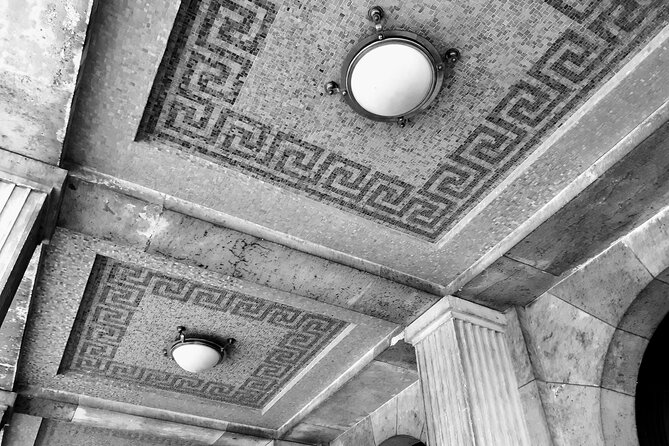
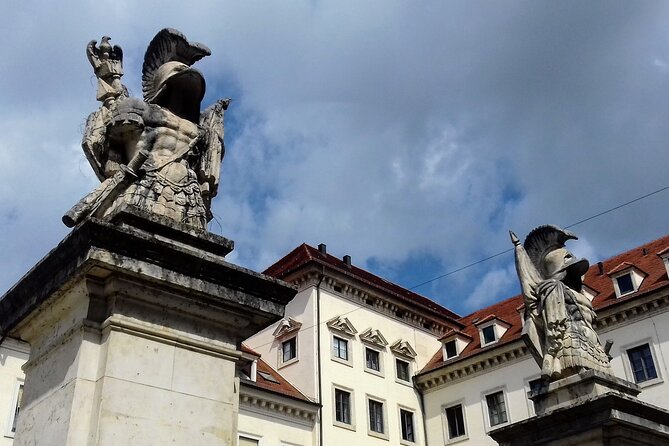
You then shift into areas where the story leans toward power and public confrontation. At Residenz München, your guide explains the different stylistic epochs of the huge palace complex, including references to SS leadership connected to the building during the Nazi period. You also get a quick explanation of the famous lions near side entrances, which is one of those quirky details that makes the setting feel human, even in a dark narrative.
A short walk brings you to Feldherrnhalle, a viewpoint area on the historic Ludwigstraße connected to the failed Hitler putsch in 1923. This is where your guide can connect political theater to real violence, and it is also a reminder that Munich was not only a backdrop for events, it was a stage for them.
Then you visit Platz der Opfer des Nationalsozialismus, where an eternal flame burns as a symbol of freedom. The point of this stop is important, because after the heavy streetscape, you need a reminder that remembrance is part of the present, not just the past.
White Rose at Ludwig Maximilians University
At Ludwig Maximilians University, the focus turns toward resistance. Your guide takes you through the memorial connected to the White Rose group, including names such as Hans and Sophie Scholl, Christoph Probst, Alexander Schmorell, and Willi Graf, plus Professor Kurt Huber.
This is one of the most valuable parts of the day because it counters the propaganda narrative with real courage. It also adds balance, so the tour does not feel like only institutions and buildings. You are reminded that ordinary people and students made moral choices in a terrifying system.
The stop includes a guided visit to the memorial. Your time here is set at about 25 minutes, which is enough for a meaningful introduction, especially since the rest of the day keeps moving.
Schwabing, Hofbräuhaus, and the Everyday Places of Propaganda
You then move through Schwabing, once known as an artists’ quarter. Your guide highlights locations that connect Hitler to Munich’s social and media world, including the Osteria Italiana still existing today, and the publishing scene around places like Völkischer Beobachter and Heinrich Hoffmann Verlag.
There is also a personal-story detail here: Hitler met his future wife, Eva Braun, in 1929 in the later Photohaus Hoffmann. That is historically relevant, even if it can feel strange to pull personal biography into a tour about politics. I find it helps you understand how the regime grew through networks, not only speeches.
Next comes Staatliches Hofbräuhaus, the famous Munich beer hall. Your guide explains how Hitler and his entourage liked to meet there, which turns the building from tourist icon into historical setting. There is also practical value here: this is a recommended spot for a hearty lunch, even though lunch is not included in the tour price.
A nice touch for your pacing is that the tour includes a longer one hour block here, which is your chance to refuel and reset your emotions.
Nazi-Era Architecture Around Altstadt-Lehel and House of Art
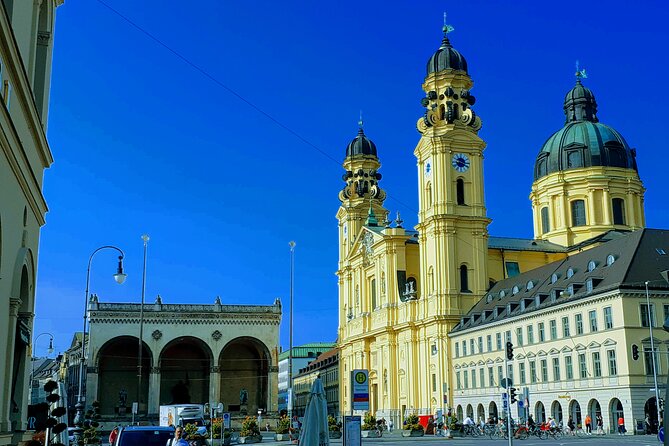
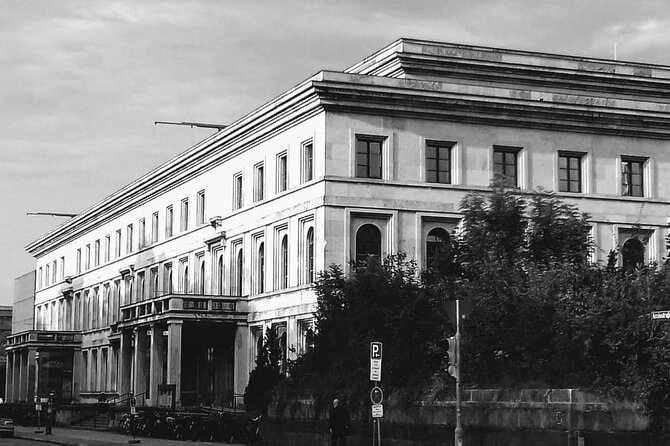
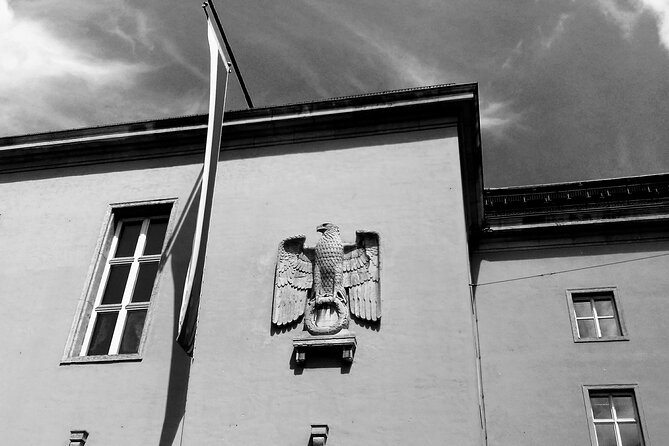
As the route continues, you see specific architecture from the Nazi period, including monumental buildings that were designed to project authority. In Altstadt-Lehel, you pass a building erected in 1937 by Hermann Göring’s Reich Aviation Ministry for a Luftgaukommando V unit. Swastikas on window grilles and steel helmets on house walls make the political purpose hard to miss.
Then you visit Haus der Kunst, described as the first representative Nazi building in Munich. Your guide points out details like the long row of granite columns and the type of art that matched Nazi ideology in that era. It is the kind of stop where you might feel uneasy, but that discomfort is part of how the site teaches.
These are short stops, around 5 minutes each, but they are effective because the guide is pointing you to the exact visual cues tied to the regime.
A Brief Breath: Eisbachwelle in the Middle of the Story
Between heavier locations, you have a moment to watch Eisbachwelle, the famous Eisbach surfers. This is not there to distract you from the past. It is there to give you a little mental reset so you can keep absorbing the rest of the day.
If you like seeing how a city lives now, this quick stop helps. You get a reminder that Munich did not freeze in time, and life continues alongside remembrance.
Hitler Residences and Nazi Built-Environment Outside the Center
The tour then looks at where the regime leaders lived and how the Nazis shaped “model” neighborhoods. In Bogenhausen, you can view the exterior of Adolf Hitler’s house in a more upscale district, where he lived in a 317 square meter, nine room apartment in 1929. Nearby, your guide also points out the property tied to Eva Braun’s villa lifestyle from 1936, noting it was demolished a few years ago.
Next is Prinzregentenstraße, a boulevard where you see an apartment building with flanking air raid shelters. The interesting part is that this is described as the only one completed, which gives the sense of how ambitious projects were often overtaken by war.
Then you visit Ramersdorf, where there is a Nazi model settlement built in 1934 with nearly 200 houses with gardens for German national comrades. It is now listed, which is a reminder that history is not only preserved through museums, but also through surviving urban fabric.
White Rose Executions and the Stadelheim Connection
You then reach Stadelheimer Straße, connected to the execution story. In 1943, Hans and Sophie Scholl, Christoph Probst, Alexander Schmorell, Willi Graf, and Professor Kurt Huber were guillotined in the penal institution in Stadelheim. Your guide also connects this to burial details, including that their graves are located in the nearby cemetery in the Perlacher Forest.
This stop is short, but emotionally it is loaded. I recommend you take a moment before moving on, because your body needs time to catch up after the emotional information.
Königsplatz, Karolinenplatz, and the Party Center Feel
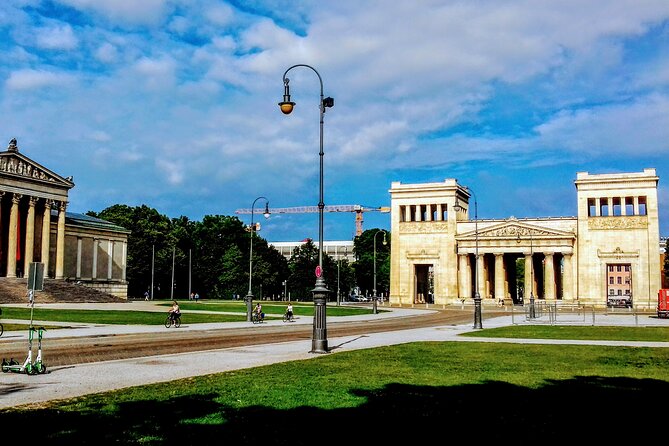
The next phase focuses on Konigsplatz, an area that became the party center of the NSDAP with administrative buildings and the Führerbau. Your guide explains that almost all Nazi buildings survived the bombing attacks unscathed, and then points you to the modern NS Documentation Center, which opened in 2015 on the site of the destroyed Brown House.
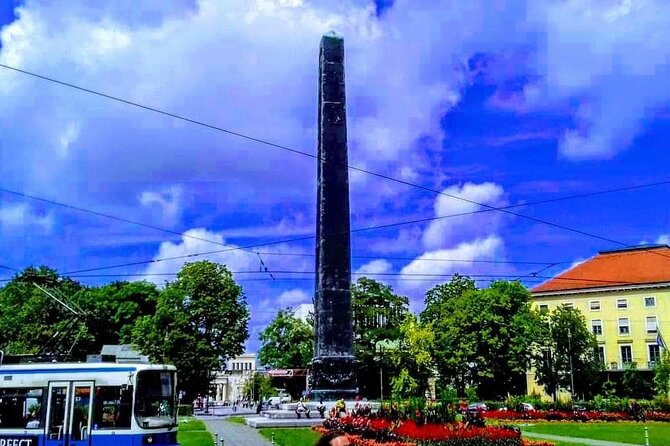
From there you visit Karolinenplatz, where exactly 100 years later the center of power was built around an obelisk ordered by King Ludwig I. This kind of time-shift framing matters. You start to see how the Nazi era tried to borrow legitimacy from older symbols and monuments.
Maxvorstadt and the Hitler Lodging Detail
In Maxvorstadt, you see a renovated apartment house tied to Hitler’s earlier days, including the idea of a shabby room with Rudolf Häusler after Hitler moved from Vienna in 1913. Your guide also shares the story of a mausoleum planned by Hitler himself, with an adjoining hall for the party.
It is strange that a city tour includes plans for grand memorial fantasies tied to dictatorship. Yet it helps you understand the regime mindset, the obsession with permanence, and the way architecture and symbolism were part of the propaganda machine.
The Dachau Concentration Camp Memorial: What to Expect and How to Prepare
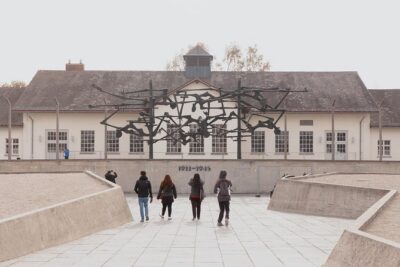
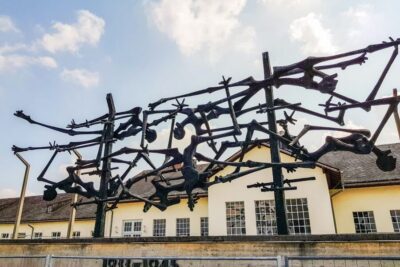
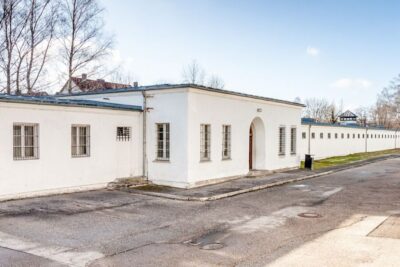
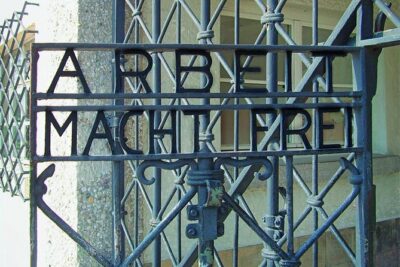
After Munich, the day shifts to Dachau Concentration Camp Memorial Site, visited with a licensed guide. The tour description makes clear what this place is, and it does not soften it. During Dachau’s 12 years of operation, more than 200,000 people were imprisoned, with 41,500 murdered. The memorial visit is described as exceeding your imagination for humanly possible atrocities, so you should treat it as an emotionally demanding experience.
Before you start touring the memorial itself, the guide shows you some luxurious villas on the former SS grounds. That contrast is the point, and it can hit hard, because it underlines the absurd distance between comfort for perpetrators and suffering for victims.
Plan on an average stay at the memorial of 1.5 to 2.5 hours. Wear suitable footwear because some footpaths are coarse pebbles. Also remember this is not a quick stop where you can just skim. You need time to walk, read, and absorb.
The tour notes that Dachau is not recommended for people under 12 years old. If you are traveling with kids, you will want to consider maturity and emotional resilience before booking.
How to Make the Most of a 9.5-Hour Route
This tour is built to fit many stops into one long day. That means you will get quick, focused interpretations at each location rather than wandering on your own.
To get the most out of it:
- Dress for walking and pebbles at Dachau
- Have comfortable shoes ready, especially for the memorial paths
- Use the Hofbräuhaus hour for a real break, since lunch is not included
- Bring a mindset for shifting emotions, from city symbolism to resistance to Dachau
It also helps to go in with curiosity, not just names. When a guide points out a detail like how reconstruction changed what you see, you will start noticing how history rewrites the city, not just the past.
One more small but real benefit: your group travels by private vehicle, so you are not constantly waiting at stops. That reduces the mental fatigue that can drain attention during heavy content.
Who Should Book This Private WWII and Dachau Tour
This tour fits best if you want:
- Licensed guidance through both Munich WWII sites and Dachau
- A structured, time-efficient route with pickup and private transport
- A balanced mix of propaganda settings and resistance stories
It is also a good choice if you want to avoid the confusion of piecing together the right route and transport on your own.
It might not suit you if you:
- Want a relaxed, slow-paced day with lots of free time
- Prefer strictly lighter sightseeing
- Are traveling with young children and the emotional weight of Dachau might be too much
And based on a five star review mentioning Max by name, the guide quality is a standout. When Max makes sure you see everything you came for, and then some, you benefit from tight interpretation and smart pacing.
Should You Book It?
If you want a guided WWII and Dachau day that connects the Nazi era in Munich to its real human consequences at Dachau, this is a strong option. The licensed guide element, the private chauffeur-driven transport, and the set time at the memorial are the pieces that make it work.
I would book it if you are comfortable with an emotionally serious experience and you like guided structure that keeps you on track. If you want a casual city stroll, skip it. This is history with weight, and the value is in how the day is guided and organized for you.
FAQ
What is the duration of the tour?
The tour is about 9 hours 30 minutes.
Where does pickup happen?
Pickup is available from any hotel or address in Munich. The standard pickup times listed are 8:00 a.m., 9:00 a.m., or 9:30 a.m., and you can request another time.
What transportation is provided?
You travel in a new, luxurious VW or Mercedes minivan with air conditioning and a chauffeur. If your group is more than 7 people, you ride in a small coach with a driver.
Is the tour private?
Yes. It is a private tour, and only your group participates.
What language is the tour offered in?
The tour is offered in English.
What does the Dachau visit include?
You visit the Dachau Concentration Camp Memorial Site with your licensed guide. The average time at the memorial is 1.5 to 2.5 hours.
Is lunch included?
No. Lunch is not included in the tour price.
Are there any age limits for Dachau?
Visiting the Dachau Concentration Camp Memorial is not recommended for people under 12 years of age.
Is mobile ticketing included?
Yes, a mobile ticket is included.
Is there free cancellation?
Yes. You can cancel for a full refund up to 24 hours in advance of the experience start time.
Recently added around Munich
- München: Vegetarische Viktualienmarkt-Probiertour Deutsch★ 4.8 · 6 reviews
- Private Transfer from Munich to Vienna with 2 hours for sightseeing★ 4.5 · 6 reviews
- Munich Walking Quiz: Explore and Discover the City’s Highlights★ 5.0 · 7 reviews
- Walking Tour on Resistance to Nazism in Munich★ 5.0 · 8 reviews
- 2 hour Sights Guided E-Scooter Tour in Munich★ 4.0 · 6 reviews
- Private Transfer from Munich to Salzburg with 2 hours for sightseeing★ 4.5 · 13 reviews
- From Munich: Neuschwanstein Castle and Linderhof Private Tour★ 5.0 · 13 reviews
- Paul’s Private Tour Munich Highlights★ 5.0 · 3 reviews
Dachau Memorial Visits, compared.
Dachau Concentration Camp Memorial Site Tour from Munich by Train
Read our review →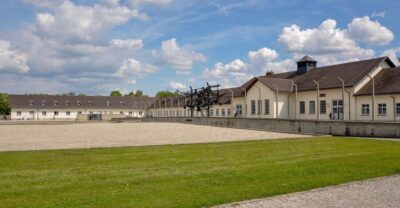
Dachau Concentration Camp Memorial Tour with Train from Munich
Read our review →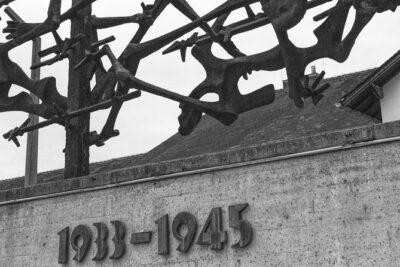
Early-Start Dachau Memorial Half-Day Tour from Munich
Read our review →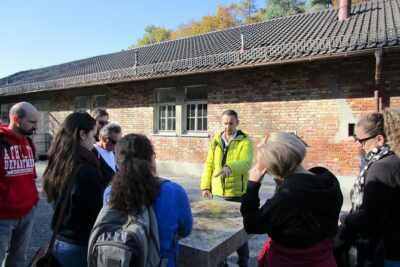
Guided Dachau Concentration Camp Memorial Site Tour with Train from Munich
Read our review →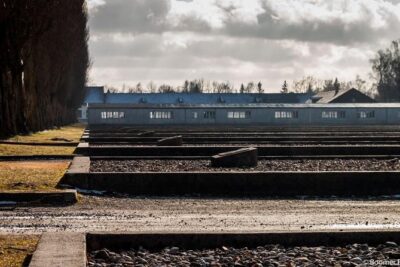
Full-Day Dachau Concentration Camp Memorial Site Tour from Munich
Read our review →Browse the lists this tour appears in