
Reviewed · THIRD REICH & WWII WALKING TOURS
Munich: Birthplace of the Third Reich Guided Walking Tour
This guided walk is interesting because it connects real Munich addresses to a sequence of events that helped launch the Third Reich. You’ll see how ideology spread through everyday places like beer halls, not just through distant history books. I love the clear story line and the way the memorial stops keep the focus on victims and opponents, not just leaders and dates.
Two things I also like: the route is built around specific sites tied to speeches and planning, and the guides are used to fielding tough questions without losing the thread. One drawback to consider is that the subject is heavy. Plan your expectations, because the tour doesn’t sugarcoat anti-Semitism, persecution, and the road to mass murder.
The key things that make this Munich walk work
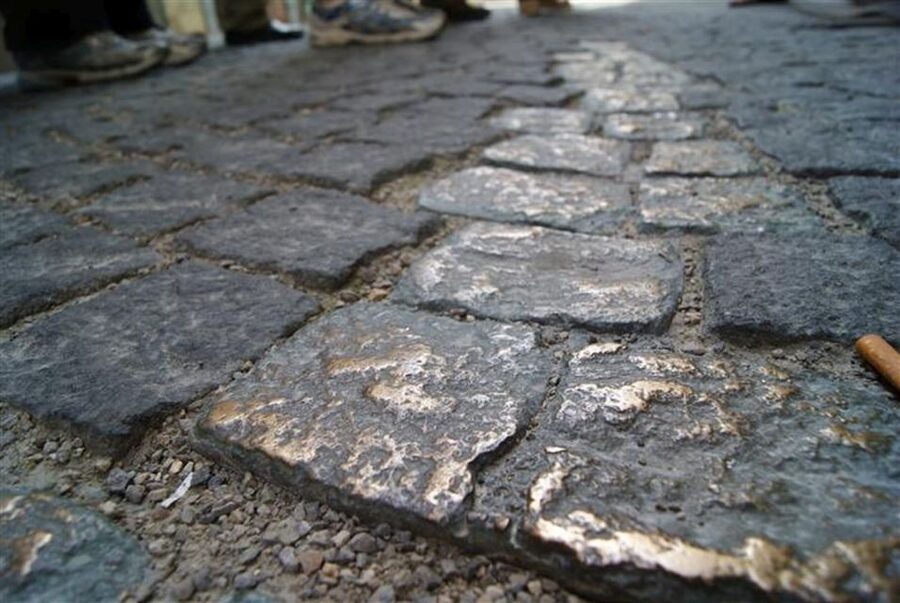
- Beer halls and early meetings that show how Nazi politics grew in plain sight
- Speech stops tied to Hitler’s first major moments in Munich
- Kristallnacht planning context connected to the building where Goebbels worked
- Nazi-era headquarters area and surviving buildings that recall the WWII era
- Memorials for victims and opponents, so the walk ends with moral weight
How Munich became the launch pad for the Third Reich
Munich mattered early. Before the rest of Germany and Europe got swept up, the Nazi movement found a practical home base here, with supporters, venues, and momentum. This tour follows that progression on foot, using street corners and surviving buildings as anchors.
What I find most useful is the way the guide frames cause and effect. Instead of stopping at one shocking moment, you get the sense of a long escalation. The story starts with how the Nazi Party gained visibility and power in Munich, then tracks toward the violence that culminated in Kristallnacht and beyond.
You’ll learn how the seeds were sewn long before war broke out. That includes the story of Hitler’s failed putsch and how the movement kept pushing anyway. By the time you reach the later stops, the walk feels less like a timeline and more like a chain of decisions, propaganda, and intimidation that hardened into policy.
The tour runs about 2.5 hours, so it’s long enough to build context, but short enough to keep it focused. It’s also a guided walking format in central Munich, which means you’re seeing how these sites sit in the modern city rather than visiting a sealed-off museum bubble.
Other Third Reich and WWII history walks in Munich:
- Munich: Third Reich & WWII Walking Tour
★ 4.6 · 6,181 reviews - Third Reich Walking Tour Munich
★ 4.5 · 4,291 reviews - Munich World War II Sites Including Dachau Concentration Camp
★ 4.5 · 570 reviews
Beer halls and first speeches, where politics sounded like persuasion
The heart of this experience is the shift from ideas to organizing. You’ll visit the beer halls where Hitler had early party meetings and where speeches helped convert fringe support into something louder and more organized.
In practical terms, these stops help you see what propaganda depends on: repeated messaging, social pressure, and a setting where people feel part of something. The tour points out that this didn’t start with tanks and uniforms. It started with gatherings, rhetoric, and an audience that was ready to listen.
You’ll also see the kind of locations where supporters rallied. Think of them as stages for recruitment, not just historical curiosities. The guides connect the architecture and atmosphere of these venues to the political purpose they served at the time.
One extra benefit: these early places make later violence feel more alarming, because you realize the shift could happen without anyone stepping outside the normal routine. It’s a reminder that mass harm is often preceded by ordinary-looking scenes.
Goebbels, Kristallnacht planning, and the moment propaganda turns lethal
This is the part of the walk where the emotional temperature changes. You’ll stand at the building where Goebbels plotted the Night of Broken Glass, then hear how Nazi leadership coordinated the events that marked a dismal milestone on the road to the Holocaust.
The tour keeps the discussion grounded in what the Nazis were building toward, not just what happened that night. You’ll connect the Nazi Party’s rise in Munich with the machinery of persecution that later expanded across Europe.
What makes this stop effective is that it doesn’t treat Kristallnacht as a random catastrophe. The guide explains it as part of a longer pattern, tied to ideology and intimidation that had been growing. You come away understanding how anti-Semitism moved from propaganda into action.
This is also where the guide style matters. Several guides listed for this tour have been praised for balancing empathy and gravity. People mention guides like Jake, Sam, Dan, and Iain for handling the heavy material with care, including some use of light humor to help you process without disrespecting victims.
If you’re the type who likes to ask questions, this is a good tour for that. The format supports clarifications as you move between sites, which matters when you’re dealing with complex history and terms like propaganda, persecution, and political power.
The Nazi headquarters area and why surviving buildings matter
Another strong element is the focus on what still stands today. You’ll visit the official Nazi Headquarters area and also see other Nazi-era buildings that survived the war.
That survival is not a trivia detail. It changes how the story lands. When a place still exists in the modern streetscape, the past is not sealed behind glass. It sits there, part of daily life, which is exactly why this tour is so effective for understanding memory and accountability.
The guide also walks you through the scars of WWII. Much of central Munich was devastated by Allied bombing, but many Nazi-related buildings survived. Standing in and around those structures makes the contrast feel sharper, especially when later you shift to memorials honoring victims and those who fought Nazism.
You’ll also learn how Nazi institutions and ideology connected to how power was managed locally. The tour’s emphasis on the rise of the Nazi Party helps you understand that the movement was not only a set of beliefs. It was an organization with plans, offices, and influence.
If you’ve visited other WWII sites, you might expect a heavy focus on battles and commanders. Here the emphasis is different. It’s about how the system formed in Munich, how it gained prominence, and how physical locations supported that process.
More walking tours in Munich:
- Munich: Old Town & Viktualienmarkt City Walk in German
★ 4.7 · 2,304 reviews - Munich: Night Watchman Walking Tour
★ 4.7 · 2,092 reviews - Munich Ghosts and Spirits Evening Walking Tour
★ 5.0 · 1,900 reviews - Munich Old Town Walking Tour
★ 4.5 · 1,287 reviews
Memorials for victims and opponents, where the tour refuses to end on a date
The tour doesn’t finish on Hitler, speeches, or buildings. It finishes at monuments honoring victims and opponents of Nazism, returning the focus to people who suffered and those who resisted.
That matters for two reasons. First, the Nazi movement’s impact was not abstract. It destroyed lives, families, and futures. Second, the existence of memorials shows that Germany has wrestled with this past in public, not only privately.
I appreciate that the guides bring the story back to the human cost. This is consistent in the guide feedback you can see in the guide names people mention, including Steve and Nich. There’s also praise for guides handling the difficult topic with grace, detail, and sensitivity, sometimes even making the discussion easier to follow with careful pacing.
Also note the emotional arc. You start with early organizing and persuasion. As the walk progresses, you move into planning and persecution. Then the memorial stops act like a hard reset, forcing the conversation back to consequence and remembrance.
If you want a tour that respects the topic and doesn’t rush the ending, this is the part that likely sticks with you.
Price and timing: what $29 buys you in Munich
At $29 per person for about 2.5 hours, you’re paying mostly for two things: a focused guide and on-foot access to a chain of important locations. You’re not just buying facts. You’re buying a guided narrative that connects those facts into a sequence.
This price also includes transportation to the historic center of Munich. That’s a meaningful value detail in a city where walking routes and meeting points can be tricky for first-timers. You meet at the Radius Tours office, and then you’re taken into the historic area so the time on the ground is used well.
Hotel pick-up is not included, so if you’re farther out, plan to get yourself to the Radius Tours office area. On the other hand, because the tour is only 2.5 hours, you avoid a full day commitment if you’re short on time.
The biggest “value” takeaway for me is mental. This kind of tour saves you from piecing together scattered sites on your own. Without a guide, it’s easy to bounce between locations without understanding why they matter together.
Meeting point and how the walk flows in real time
You’ll meet at the Radius Tours office. The exact starting setup can depend on the selected option, but your practical first step is to arrive at the Radius Tours location and be ready to join the group for the walk.
Because it’s a guided walking tour, think about comfort and timing. Munich weather can change quickly, and the tour runs outdoors for most of the duration. In the experience feedback, there are mentions of guides keeping things moving in rain and cold, which is a good signal that you should dress for conditions rather than for a sunny forecast.
The flow also matters. You’re moving from venues and early meetings to leadership sites and then toward memorials. That sequencing helps you track the story without getting lost. It also reduces the need to constantly stop and re-orient yourself, since the guide’s structure keeps you oriented.
If you like to ask questions, try to do it when the guide pauses at a site. That’s when explanations land best, because you can connect the words to what you’re looking at. Several guide mentions, including Dan and Sam, highlight how good they are at answering questions while keeping the group moving.
Who should book this tour, and who might want to skip it
Book it if you want a direct, location-based story of the Nazi movement’s rise in Munich. This is especially good for history buffs who like specific sites, the logic of political escalation, and walking through real urban space where propaganda and organization happened.
It also fits well if you’re visiting Munich for the first time and want a guided way to understand central locations beyond beer and architecture. The tour helps you connect the city’s recognizable streets to a darker layer of history.
Skip it if you know you’re not up for heavy topics. Even with careful guidance, you’ll be confronting anti-Semitism, persecution, and planning tied to Kristallnacht. This is not a light or casual tour, even if some guides use a measured touch of humor to help with listening.
Quick practical tips to get more from your guide
- Bring questions about what you see, especially around why certain places mattered for organizing. The format supports conversation as you move.
- Wear shoes you trust. You’re walking around central Munich for roughly 2.5 hours.
- Plan for weather. Munich can be damp and cold, and the experience runs outdoors.
- If you’re sensitive to trauma topics, give yourself a buffer afterward, because the memorial stops can hit hard.
Also, pay attention to the guide’s style. Many people praised guides such as Jake, Sam, Dan, Nic, Iain, Steve, and Mark for mixing clarity with empathy. If one of those names appears on your option, it’s worth choosing, not because it makes the history lighter, but because it can make the pacing and listening easier.
Should you book the Munich Third Reich guided walking tour?
I think this is a strong booking when you want a structured, site-based history lesson that connects Munich to the rise of the Third Reich and the escalation toward Kristallnacht. The 2.5-hour length is a sweet spot, and the combination of beer hall locations, Nazi HQ area, and memorial stops gives you both context and consequence.
For $29, it’s also a fair value if you want a guide to connect the dots for you and help you interpret what you’re seeing. I’d especially recommend it if you’re short on time and want to make sure the stops add up to a coherent story.
If you’re unsure, ask yourself one question: do you want Munich’s modern streets explained through the lens of what happened here? If yes, book it. If not, you might prefer a lighter history walk.
FAQ
How long is the Munich guided walking tour?
It lasts about 2.5 hours.
What is the price per person?
The price is listed at $29 per person.
Where do I meet the guide?
Meet at the Radius Tours office.
Is the tour guided in English?
Yes, it’s a live tour guide in English.
Does the price include transportation?
Transportation to the historic center of Munich is included.
Is hotel pick-up included?
No, hotel pick-up is not included.
What’s included in the tour fee?
Included items are the guide, the tour, and transportation to the historic center of Munich.
What kind of sites will the tour cover?
You’ll see beer halls linked to early Nazi activity, locations connected to speeches and planning, the Nazi Headquarters area, and monuments honoring victims and opponents of Nazism.
What is the cancellation policy?
Free cancellation is available up to 24 hours in advance for a full refund.
Can I pay later?
Yes, the listing offers reserve now & pay later, so you can book without paying today.
Recently added around Munich
- München: Vegetarische Viktualienmarkt-Probiertour Deutsch★ 4.8 · 6 reviews
- Walking Tour on Resistance to Nazism in Munich★ 5.0 · 8 reviews
- Private Transfer from Munich to Vienna with 2 hours for sightseeing★ 4.5 · 6 reviews
- Munich Walking Quiz: Explore and Discover the City’s Highlights★ 5.0 · 7 reviews
- 2 hour Sights Guided E-Scooter Tour in Munich★ 4.0 · 6 reviews
- Private Transfer from Munich to Salzburg with 2 hours for sightseeing★ 4.5 · 13 reviews
- From Munich: Neuschwanstein Castle and Linderhof Private Tour★ 5.0 · 13 reviews
- Paul’s Private Tour Munich Highlights★ 5.0 · 3 reviews
Third Reich & WWII Walking Tours, compared.
Munich World War II Sites Including Dachau Concentration Camp
Read our review →
Munich City Walking Tour, includes Third Reich & Viktualienmarkt
Read our review →
Munich 3-Hour Segway Tour: Nazi Munich & Royal Architecture
Read our review →
Dachau Concentration Camp Memorial Site And Third Reich Day Tour From Munich
Read our review →
Munich in the 3rd Reich and WW2 private walking tour
Read our review →Browse the lists this tour appears in