Reviewed · DACHAU MEMORIAL VISITS
Dachau Memorial Site Tour With Small Group
This tour is interesting because it takes you from lively central Munich to one of Europe’s most painful places, with a guide who keeps the focus on facts, victims, and reflection, not just sightseeing. Two things I like a lot are the licensed memorial guide and the built-in time for museum self-exploration. One drawback to consider: this is heavy material, and it asks you to slow down and think, not rush through.
You meet your guide at 09:00 AM by Marienplatz’s Glockenspiel, and the day has a smart rhythm, train to Dachau, then a short bus ride that follows the route prisoners may have taken, and then a 3-hour guided walk on-site. I also like that the guide, such as Alun Evans in many past groups, actively invites questions while handling the subject with care.
Key highlights worth marking on your map
- Licensed memorial guide escort through the site, with objective, respectful context
- Small group capped at 15, so you can actually ask questions and stay together
- Museum time on your own, so you are not stuck taking notes the whole visit
- Victims, survivors, and perpetrators covered, including how SS complicity is explained
- A prisoner-route bus segment, which adds meaning before you even reach the grounds
- Return timing around 2:00 PM, leaving you enough daylight for other Munich plans
Marienplatz morning to Dachau afternoon: the flow you will follow
If you want Dachau without the stress of figuring out trains, timing, and where to start, this format makes it simpler. You begin in central Munich at Marienplatz, right outside the Tourist Information Center, under the famous Glockenspiel. From there, you ride the local train system north to Dachau (about 10 miles northwest of Munich), then take a short bus ride to the memorial grounds.
The whole tour runs about 5 hours, with an approximate return to Marienplatz around 2:00 PM. That matters because Dachau can swallow a day if you are not careful. This plan keeps you focused on the memorial while still giving you an afternoon window for something lighter, or at least something practical like lunch near your next stop.
A few practical rules shape your experience. There is moderate walking, about 2 to 2.5 kilometers, and the tour is not for kids under 14. You also cannot bring luggage or large bags, and smoking is not allowed. For me, these limits are a good thing here. Less clutter means you spend more attention where it belongs.
Also, it helps to know what is not included. You will be responsible for food and beverages, so I recommend bringing water and a simple snack for before or after the tour. You do not want to start thinking about hunger when the content is already emotionally demanding.
Other Dachau memorial visits from Munich:
- Dachau Concentration Camp Memorial Site Tour from Munich by Train
★ 4.5 · 5,637 reviews - From Munich: Dachau Memorial Site Day Tour
★ 4.8 · 2,723 reviews - From Munich: Dachau Memorial Site Half-Day Trip
★ 4.7 · 2,526 reviews
What the licensed guide actually changes about Dachau
The best part of this tour is not just that you have a guide. It is the way the guide guides.
You are fully escorted by a memorial-licensed guide, and the tour is designed to be factual and objective, with an emphasis on explaining events clearly. The guide keeps a steady pace through the grounds and encourages questions and discussion, which is important on a site like Dachau, where people naturally bring up what they do not understand or how the system worked.
From past groups, the guide approach stands out for its sensitivity. Many comments praised the guide’s ability to handle somber details carefully, while still speaking plainly. In several experiences, the guide was praised for balancing respect with clarity, and for making sure the group stayed together during the commute, including during train and bus transitions.
One key point: the tour is not only about the suffering. It covers the plight of victims and those who died, but also includes survivors. It also addresses the SS as perpetrators, including how they were complicit. That balance matters because it avoids turning the visit into either a vague emotional stop or a one-sided story. You get a fuller picture of the machinery of persecution and what it did to real people.
If you prefer a structured visit where you are not left to interpret everything alone, this guide-led approach is a strong fit. If you prefer a silent DIY pace, you will still get some independence, but the backbone of the day is guidance.
The bus ride that follows the prisoner route, before you even arrive
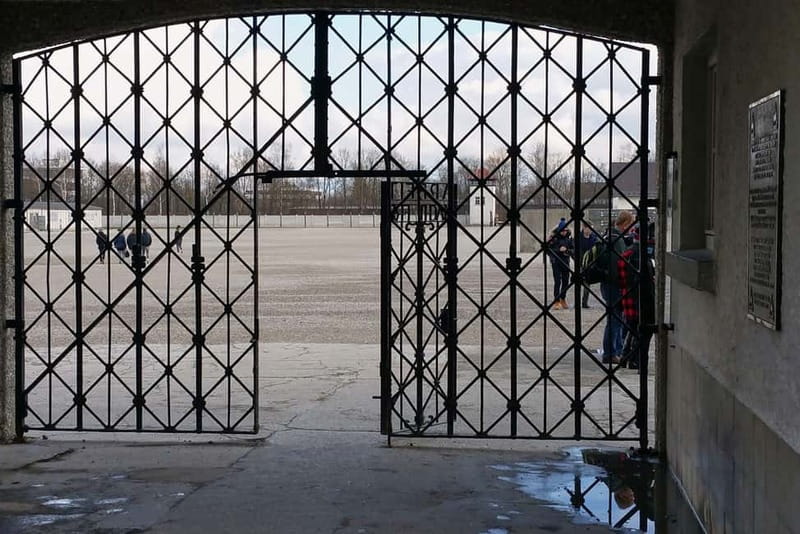
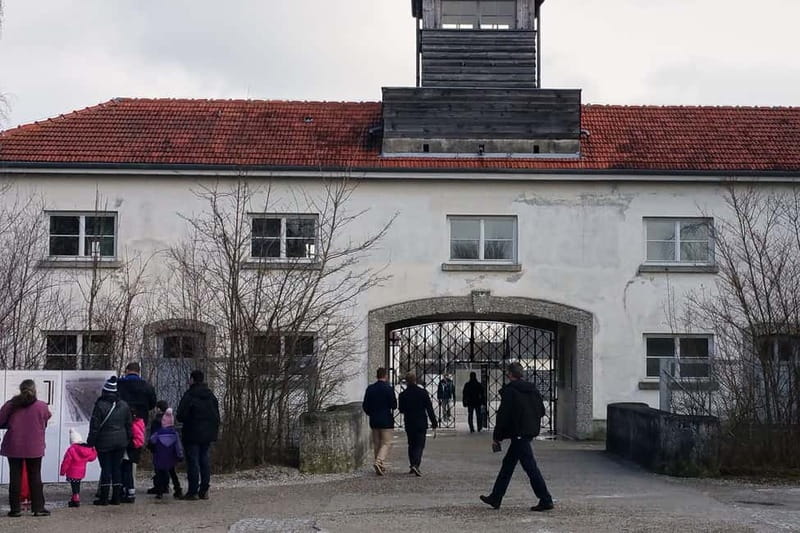
A detail I would not skip is the ride from Dachau to the memorial. After the train, you take a short bus ride that follows the route that prisoners would have taken. That means you are not just traveling from point A to point B. You are moving through the same approach pattern that shaped arrivals and departures.
You feel it in a subtle way. When you reach the grounds, your mind has already been nudged toward context. You are not stepping into Dachau as a generic historic site. You are entering it as a place built for imprisonment and control.
This segment also helps with pacing. It creates a clean transition between travel and the memorial itself, instead of having you arrive and immediately start walking with no mental setup. On a difficult subject, that small shift can make the guided portion feel more coherent.
Stop at Dachau: the guided walk that keeps you oriented
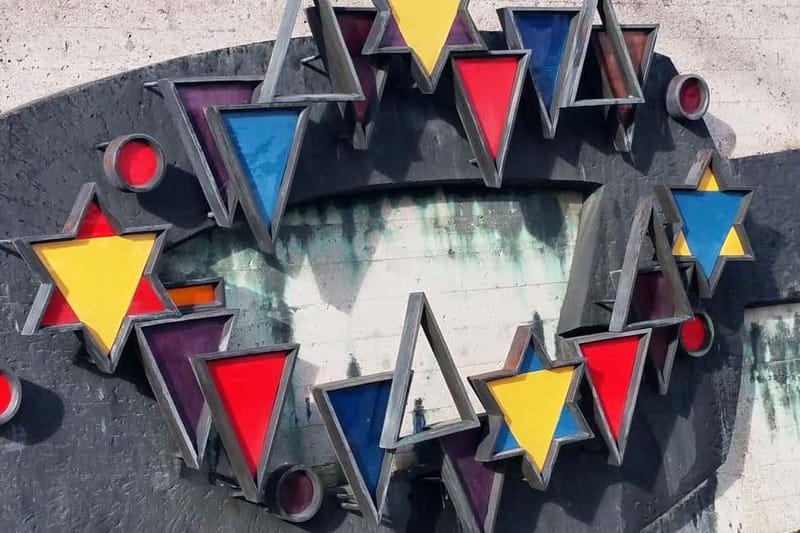
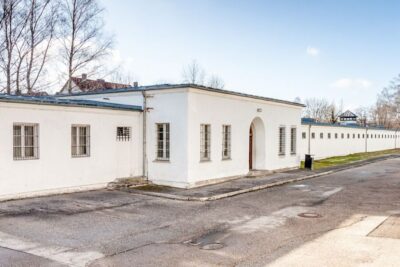
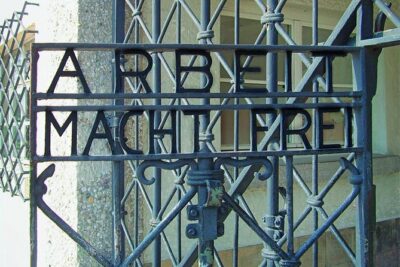
Once you arrive at the memorial site, you start a 3-hour guided tour. The on-site portion is where the guide’s structure really shows.
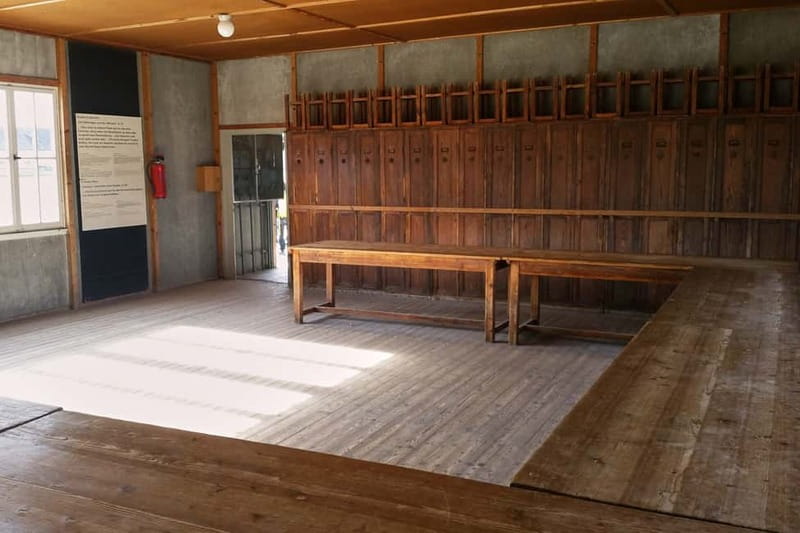
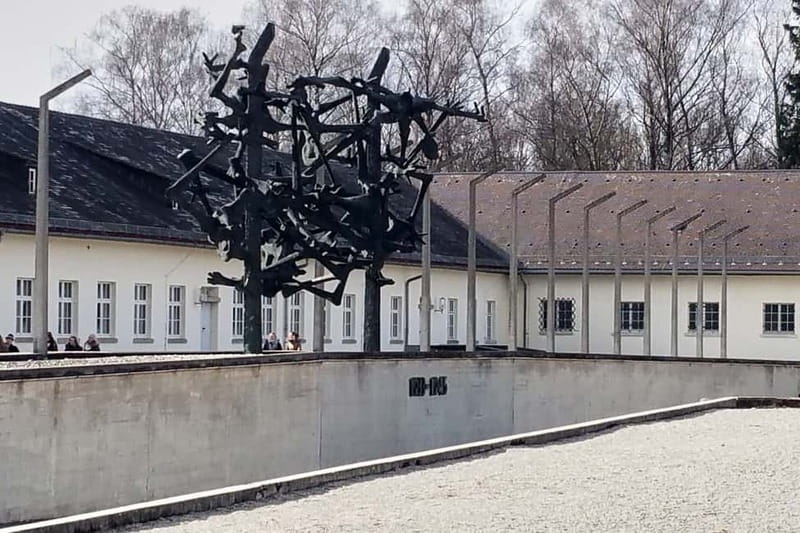
The grounds can be overwhelming. Even if you have read about Dachau before, seeing the layout in person tends to raise new questions: Where did people move? What areas were used for what? How do you make sense of it all without getting lost in your own assumptions? The guide helps by moving you through the site in a way that builds understanding step by step.
You will hear factual explanations delivered in an objective manner, and the focus is repeatedly brought back to individual experiences. The tour includes mention of individual prisoners, along with descriptions of their first-hand experiences. That is not just a history lecture. It is one reason the tour tends to feel so thought-provoking. It connects the scale of the camp system to human lives.
The guide also encourages you to reflect. It is not forced, but the tour’s tone builds space for questions and digestion afterward. Several past groups highlighted how the guide created an environment where people could process what they were seeing without feeling rushed.
Also reviewed in and around Munich:
- From Munich: Neuschwanstein & Linderhof Castle Full-Day Trip
★ 4.5 · 12,494 reviews - Neuschwanstein & Linderhof Castle-Fairytale Day Tour from Munich
★ 4.5 · 7,275 reviews - Munich: Third Reich & WWII Walking Tour
★ 4.6 · 6,181 reviews - Neuschwanstein Castle Tour from Munich
★ 4.5 · 5,117 reviews
If regulations change, expect the tour to adapt
One practical note: the memorial may adjust the way information is provided depending on current COVID regulations. That means some historical information could be given off-site, and the amount of independent time at the memorial could shift. The overall spirit stays the same: education first, reflection built in.
Museum time: your quiet chance to absorb what the tour can’t
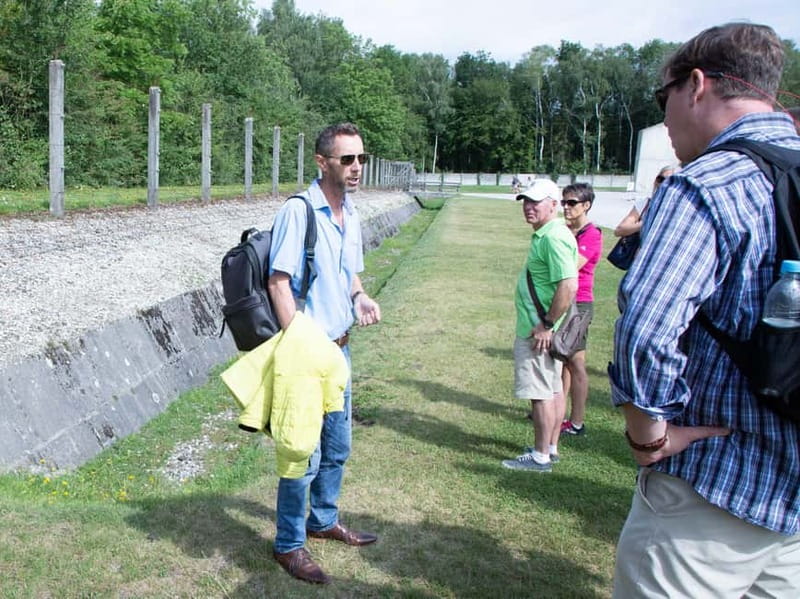
You are not stuck in a group line the whole time. One of the best design choices here is the guide will allocate a block of time for you to explore the museum on your own.
That museum is described as excellent, and a number of experiences mentioned how large it felt and how much there is to read and see. The guided portion helps you understand the storyline. The museum time is where the details land, at your pace.
How should you use this time? I suggest a simple approach:
- Pick one or two themes you want to follow, rather than trying to read everything.
- Spend a few minutes looking at display sections first, then go back to read more carefully if something pulls you in.
- If you feel yourself glazing over, that is your cue to step back and move to another room. The goal is not exhausting yourself, it is absorbing enough to carry the meaning out with you.
Because you also need time for personal reflection, this independent museum block is a big reason the tour tends to get such high marks. It gives you control over your emotional pace, which is crucial on a difficult site.
Value and logistics: why this costs $72 and still feels worth it
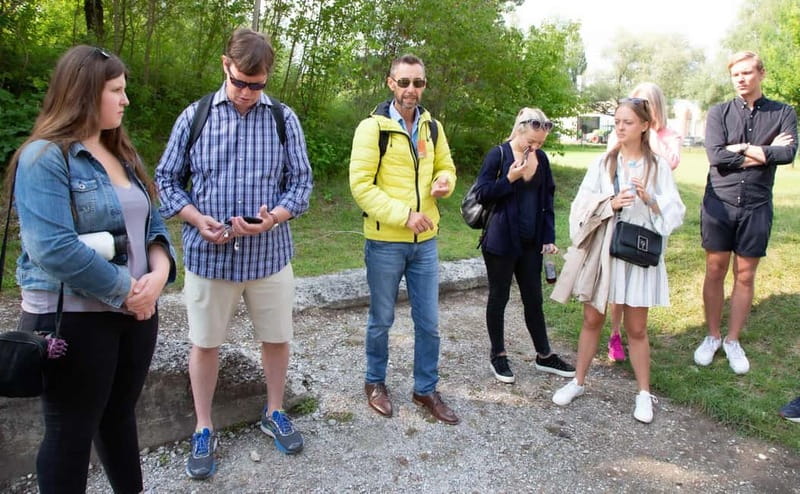
At $72 per person for a 5-hour experience, you might wonder if it is fair. Here is how I think about value on this specific topic.
This price includes:
- A memorial site accredited guide
- Return transportation costs from Munich
- Full coverage of the key parts of the visit
What that means in real life is less decision fatigue. You do not have to figure out the route from Munich, choose between trains and buses, or worry about whether you started at the right spot. The guide also takes care of travel tickets for you, which saves time at the beginning and reduces the risk of getting separated.
The small group size also matters. With a cap of 15, you get a more controlled experience than most bus-style day trips. That is not about comfort alone. On a memorial visit, it is about being able to hear the guide, ask questions, and keep your group together so your schedule does not fall apart.
One more value point: the tour is scheduled with an end around 2:00 PM, so you do not lose the entire day to logistics. That makes it easier to build the rest of your Munich itinerary without sacrificing this essential stop.
Who this tour fits best, and who should plan differently
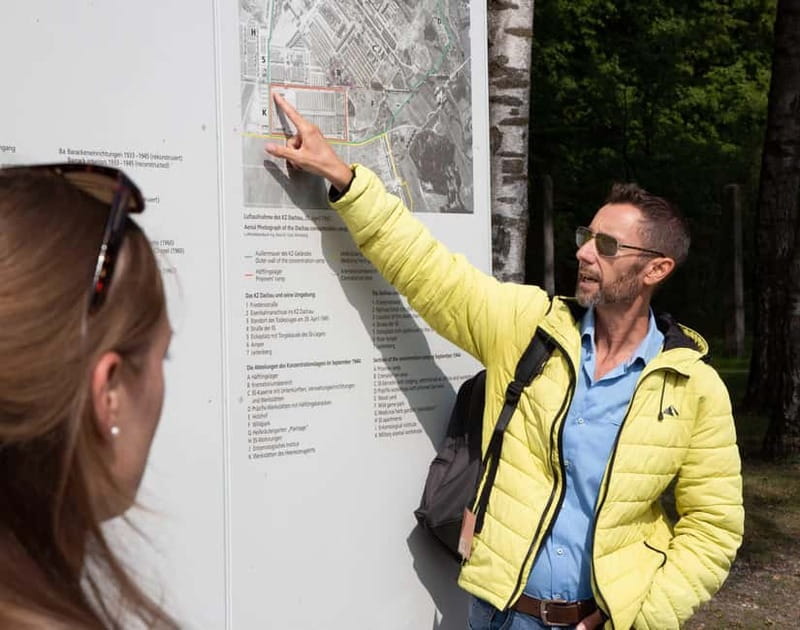
This tour is best if you:
- Want a guided, respectful explanation rather than a solo wander
- Prefer a balance of guided grounds plus independent museum time
- Are comfortable with difficult content and want it handled with care
- Appreciate clear orientation and the ability to ask questions
It is not suitable for children under 14, which is reasonable for a memorial site where the subject matter is extremely serious.
If you are coming expecting a quick photo stop, this will feel too slow and too heavy. You should also consider the luggage rule. No large bags means you will need a bag plan before you leave central Munich.
My practical tips for a smoother visit
These are the small things that will help you have a better day:
- Wear shoes that can handle walking and standing. The route includes about 2 to 2.5 kilometers of walking.
- Bring water. You will not have included food or beverages, and the memorial time plus museum reading can take more out of you than you expect.
- Keep your hands free. Since large bags are not allowed, you will likely hold essentials the whole day.
- Go into the museum time with a plan. Even a simple plan like reading one exhibit section thoroughly will keep your time meaningful.
- If you feel overwhelmed, use the structure. Step away briefly, then come back. The guide gives time for that mental reset.
Should you book the Dachau Memorial Site Tour With Small Group?
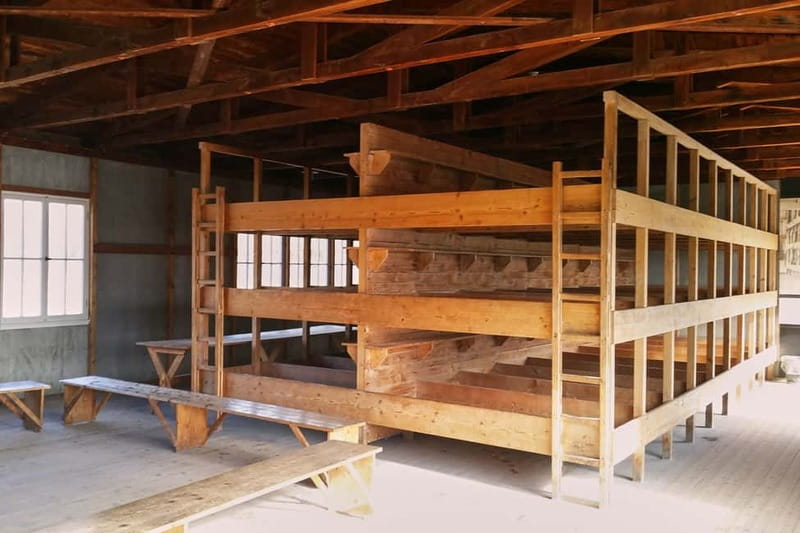
Yes, if you want Dachau handled the right way. This tour is built around respectful education, with a memorial-licensed guide, a guided walk through the key grounds, and a museum block that lets you reflect at your own pace.
Book it if you value clear orientation and you want a small group experience that stays on schedule without turning the visit into a rushed checklist. The combination of guided context plus independent museum time is the real win.
Think twice only if you are seeking a light, casual outing, or if you need a family-friendly tour for children under 14. For everyone else, this is one of those days where the guidance and pacing do real work for you.
FAQ
What time does the tour start?
You meet at 09:00 AM in front of the Tourist Information Center in central Munich, outside Marienplatz and underneath the Glockenspiel.
How long is the tour?
The tour lasts about 5 hours, with a return to Marienplatz around 2:00 PM.
Where is the meeting point in Munich?
Meet your guide outside the Tourist Information Center, under the Glockenspiel at Marienplatz.
What transport is included?
The tour includes return transportation from Munich, using the local train system, plus a short bus ride once you reach Dachau.
Is this a small group tour?
Yes. The group is limited to 15 participants.
What language is the guide?
The tour is in English.
Are children allowed?
No. Children under 14 are not permitted.
Is food included?
No. Food and beverages are not included, so it is recommended to bring what you need.
Are luggage or large bags allowed?
No. Luggage or large bags are not allowed.
Is smoking allowed?
No. Smoking is not allowed.
Where does the tour end?
The tour ends back at the same meeting point in Munich, around Marienplatz.
Recently added around Munich
- München: Vegetarische Viktualienmarkt-Probiertour Deutsch★ 4.8 · 6 reviews
- Private Transfer from Munich to Vienna with 2 hours for sightseeing★ 4.5 · 6 reviews
- Munich Walking Quiz: Explore and Discover the City’s Highlights★ 5.0 · 7 reviews
- Walking Tour on Resistance to Nazism in Munich★ 5.0 · 8 reviews
- 2 hour Sights Guided E-Scooter Tour in Munich★ 4.0 · 6 reviews
- Private Transfer from Munich to Salzburg with 2 hours for sightseeing★ 4.5 · 13 reviews
- From Munich: Neuschwanstein Castle and Linderhof Private Tour★ 5.0 · 13 reviews
- Paul’s Private Tour Munich Highlights★ 5.0 · 3 reviews
Dachau Memorial Visits, compared.
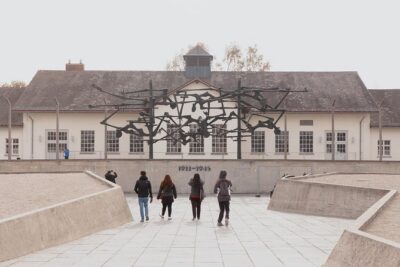
Dachau Concentration Camp Memorial Site Tour from Munich by Train
Read our review →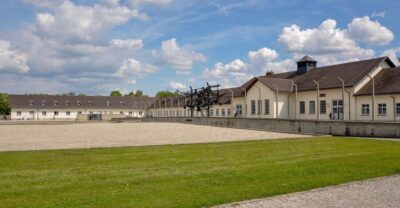
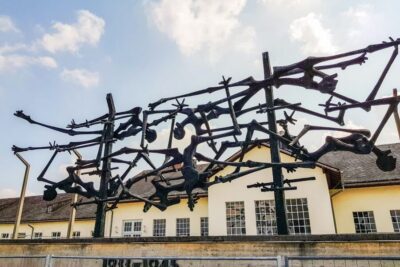
Dachau Concentration Camp Memorial Tour with Train from Munich
Read our review →
Early-Start Dachau Memorial Half-Day Tour from Munich
Read our review →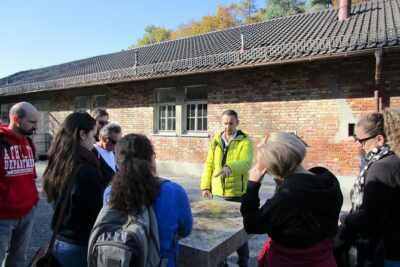
Guided Dachau Concentration Camp Memorial Site Tour with Train from Munich
Read our review →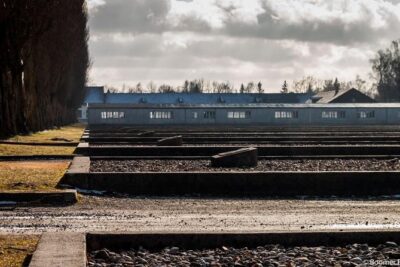
Full-Day Dachau Concentration Camp Memorial Site Tour from Munich
Read our review →Browse the lists this tour appears in