
Reviewed · PRIVATE
Mozart and German Composers Private Tour in Munich
This tour is interesting because it reads like a guided listen to Munich itself. You move through the Old Town and connect famous composers to real corners of the city, from Marienplatz to major performance halls. I love the stop-by-stop composer stories, and I also like that the guide ties what you see to specific music venues you can picture. The one thing to consider is simple: it is a 2-hour walking format, so if you want lots of long indoor time, plan to treat this as a fast, focused overview.
You will be in a private group with a 5-star licensed guide, available in several languages, and you can shape the tour around your interests. Expect a clear mix of classical music context, church and theater references, and practical pointers on where to go next in Munich. The route is centered on key Old Town landmarks, so it is ideal when you want maximum meaning per minute.
Key things I’d plan for
- Private 2-hour focus on Munich’s composer landmarks, without the “herding cats” feeling
- Marienplatz, Frauenkirche, St. Peter’s, National Theater, Residenz and major performance sites
- Composer-to-location storytelling for Mozart, Strauss, Wagner, and others, tied to the venues you see
- Early music and training connections, including Orlando di Lasso’s role with young talents
- Court, church, and civic music culture explained through the city’s most recognizable buildings
- Language flexibility with live guiding in English, French, German, Italian, Spanish, and Polish
Turning Munich’s Old Town Into a Composer Map
If you love classical music, this is one of those tours that makes the city feel “loud” in your head, even when the streets are quiet. The best part is the way the guide links people and dates to the exact places you are standing near. You do not just hear names. You get a sense of how music lived in Munich, from church choirs to court performances and public theater.
I especially like the tour’s balance of composer stories and place-based details. You will hear about Mozart, Strauss, Wagner, and others, but the narrative stays grounded in buildings like the National Theater and the Munich Residenz. That matters because Munich is not just pretty architecture, it is a machine for culture, and this tour shows how that worked.
One practical point: the tour is designed for a 2-hour walk, so it moves with purpose. You might feel rushed if you prefer slow strolling and lingering. But if you like a focused hit of context, this format is a strong match.
Other reviewed options in Munich
- Munich Private Tour with a Local – Highlights & Hidden Gems
★ 5.0 · 469 reviews - Mike’s Neuschwanstein & Linderhof Private Tour from Munich
★ 5.0 · 197 reviews - Dachau Concentration Camp Private Tour by Train from Munich
★ 5.0 · 185 reviews
Meeting at Marienplatz: Where the Tour Starts and How Not to Lose It
The tour meets at the front of hotel BEYOND by Geisel, Marienplatz 22, right by Marienplatz and opposite St Peter’s. The important detail is that you should not go inside the hotel. It is only a meeting point, and the staff is not informed about your tour.
This starting spot is smart for two reasons. First, you are already in the center of the Old Town action. Second, the guide can build the music storyline as you walk outward, so you get oriented fast.
Before you go, check your email the day before the tour. That is where you will receive important information, and it can help you avoid any last-minute confusion.
St. Peter’s Church and the 13th-Century Choir Tradition
One of your early anchors is St. Peter’s Church, tied to a choir tradition that dates back to the early 13th century. That is a big deal, because it frames the whole trip: Munich’s musical identity did not begin with famous composers and opera premieres. It had older roots in church music, trained voices, and long-standing musical life.
When you see St. Peter’s in this context, the building changes from a landmark into a living timeline. The guide’s job here is to connect the sound world of church music to what comes later in the tour, including the more public, stage-based culture.
The only consideration is time. Even though the church matters, the format is still a walk-and-talk tour, so you will not get a long, slow sit-down inside. If you want a deep visit of the church itself, you can treat this stop as the primer, then return later on your own with more time.
Frauenkirche on Marienplatz: Training Young Talent with Orlando di Lasso
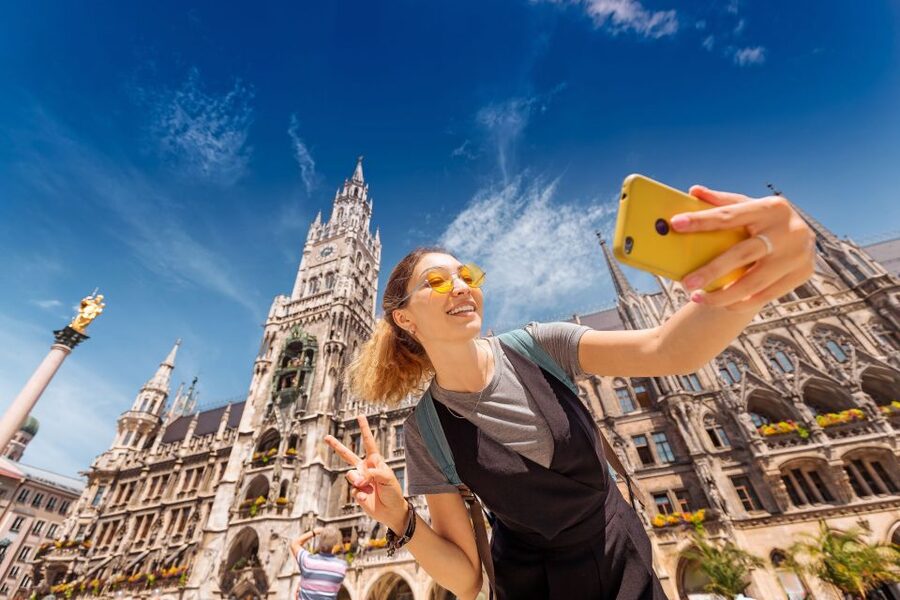
As you stroll around Marienplatz you head toward Frauenkirche, and this is where the tour’s educational angle really sharpens. The highlight here is the idea that Frauenkirche is connected to how young musical talents trained under legendary musicians from earlier centuries.
A specific name you will hear is Orlando di Lasso, one of the most prominent musicians of the 16th century. Hearing that in the middle of the Old Town is powerful, because it turns the space into a reminder that music education and musical careers were shaped by networks, not just by individual genius.
What I like about this portion is that it is not only star worship. You get a sense of how talent was developed and where a city invested in musical growth. That helps when you later connect Munich’s court culture and stage culture, because you understand the pipeline that fed it.
Also reviewed in and around Munich:
- From Munich: Neuschwanstein & Linderhof Castle Full-Day Trip
★ 4.5 · 12,494 reviews - Neuschwanstein & Linderhof Castle-Fairytale Day Tour from Munich
★ 4.5 · 7,275 reviews - Munich: Third Reich & WWII Walking Tour
★ 4.6 · 6,181 reviews - Dachau Concentration Camp Memorial Site Tour from Munich by Train
★ 4.5 · 5,637 reviews
National Theater and the Bavarian State Opera: Wagner Premieres, Strauss Conducting
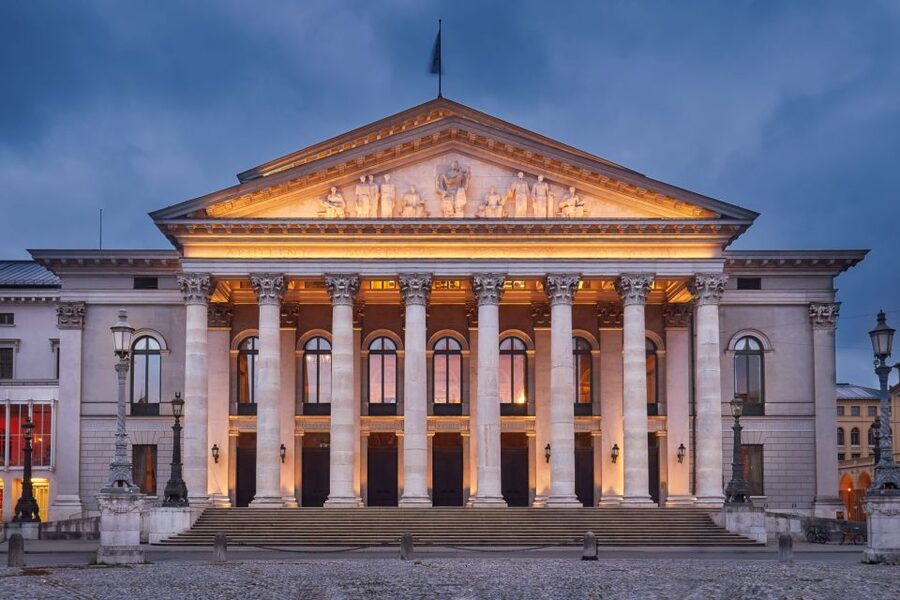
Next up is the National Theater, home to the Bavarian State Opera, where major works and careers intersected. The tour places you in the context of Richard Wagner’s works premiering there, which gives the theater a sense of historical consequence. You also hear that Richard Strauss worked as a third conductor there, adding another layer of musical importance.
For you, this stop is valuable because it moves from “music happened” to “music premiered.” That difference matters. Premieres create a public moment, and they shape reputations across decades.
Also, the guide uses these facts to show continuity across musical eras. You are not just hopping between unrelated composers. You are learning how a single institution in a city could influence multiple generations of German classical music.
If you are the type who loves opera, you will probably want to linger visually. Just remember the tour is time-boxed, so treat it as a high-quality overview and then make your own plan for an opera house visit later.
Munich Residenz: Where Mozart Played for Karl Theodor and Ferdinand IV
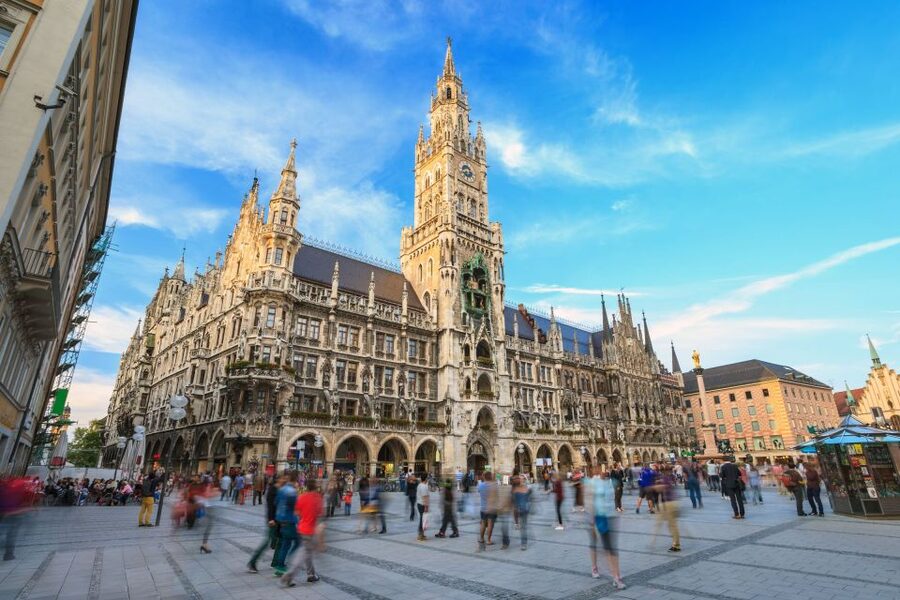
The tour then moves into the world of court culture with the Munich Residenz, a centerpiece of political and cultural power. Here is where the story reaches a very specific Mozart connection: it is said that Wolfgang Amadeus Mozart played a concert for Elector Karl Theodor and the King of Naples, Ferdinand IV.
This is one of those details that changes the way you experience the building. A palace like the Residenz is easy to admire at face value. In this tour, it becomes a reminder that composers often wrote, performed, and built careers around court invitations and elite audiences.
For me, the practical benefit is how it helps you interpret Munich as a city with patronage. Once you understand that, the composer links feel more logical. You are not collecting trivia, you are mapping incentives and influence.
You might not be spending long inside here during a 2-hour walking tour, but even seeing the Residenz in this context makes the landmark feel earned, not just visited.
Cuvilliés Theater and Mozart’s Idomeneo Premiere in 1781
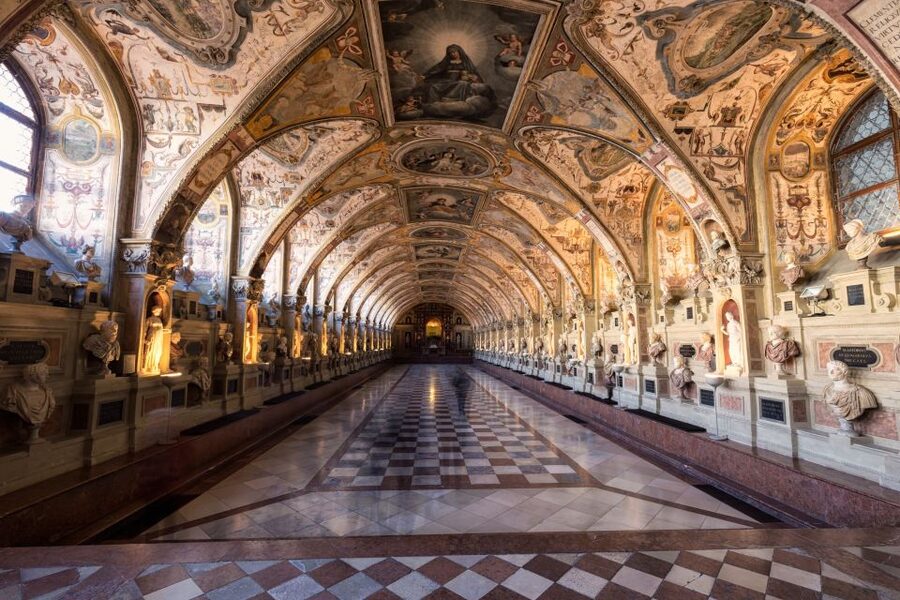
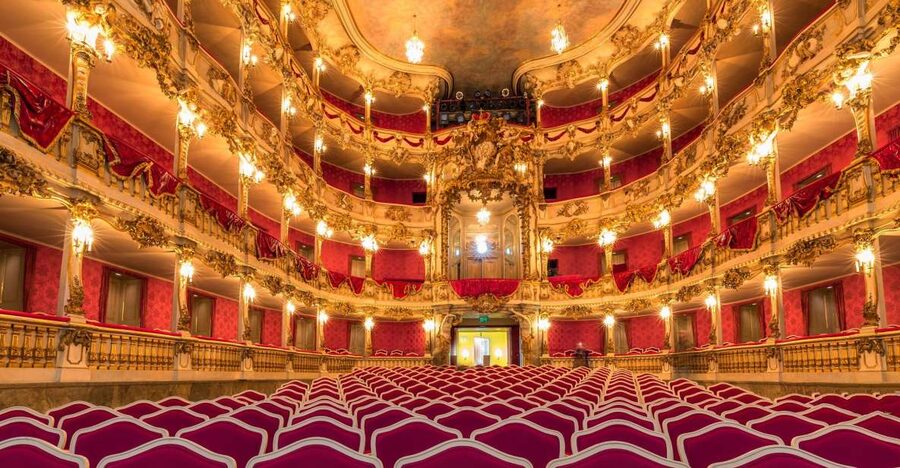
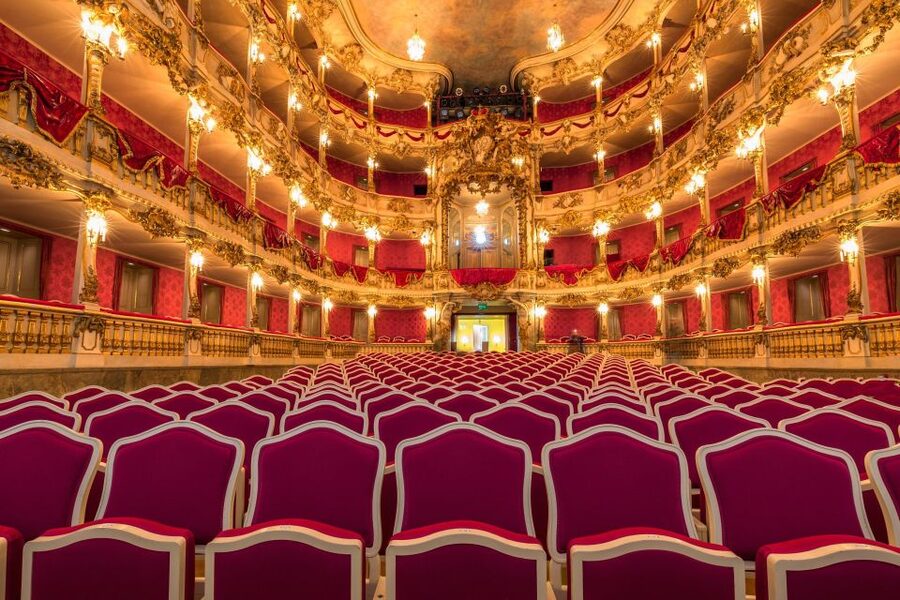
Inside the Residenz, you also get the Cuvilliés Theater, tied to a standout Mozart milestone: Mozart premiered his opera Idomeneo there in 1781. That date matters because it places Munich in the orbit of major late-18th-century operatic life.
This stop is a great example of why the tour works. It does not toss names at you. It gives you a concrete anchor, then builds meaning around it. If you have even a basic love of opera, Idomeneo helps everything click, because it connects the composer to the kind of artistic output that people attended, discussed, and remembered.
The only caution is that this part can feel like a “story finish.” By the time you reach Cuvilliés Theater, you may wish the tour had more time to linger on stage history. Still, as a 2-hour overview, it lands the tour with a strong finale.
How to Make This 2-Hour Private Walk Feel Effortless
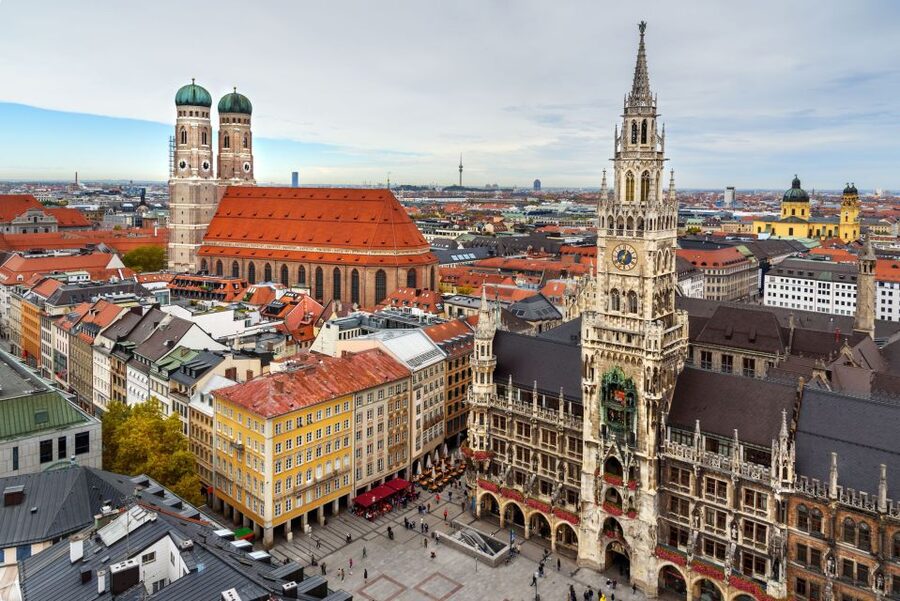
This is a walking tour, so you should dress for movement. Comfortable shoes are not optional. Even if the route seems manageable on a map, Old Town streets add up quickly when you are walking between churches, plazas, and theater landmarks.
Because it is private, you can also use that flexibility. If you care more about opera, ask your guide to emphasize theaters and premieres. If you care more about early music, you can focus on church and training connections. The tour is designed to be tailored to your interests, and the guide can adjust the pacing.
A small but smart tip: keep your questions ready. If you ask one good question about a composer’s era or a type of music you heard about, it can shape the rest of the tour. That is where private guiding becomes worth it.
And finally, if you have time after the tour, use the guide’s recommendations on where to go next. Even a short tour works best when it points you toward your next steps instead of ending the story with the last building.
Price and Value at $215 Per Person
At $215 per person for a 2-hour private walking tour, you are paying for three things: a licensed guide, private time, and an organized composer narrative that links specific Munich landmarks. This price can feel steep if you are a casual sightseer who mainly wants photos and quick facts.
But if you are a music lover, the value is real. You are not just touring places. You are getting a guided framework for understanding why Munich mattered musically and how the city’s key institutions shaped composers’ careers. The guide also provides recommendations on best places to visit, which can add practical value beyond the walk itself.
Private tours also tend to feel smoother. You are less likely to get lost in a crowd, and you can ask follow-up questions. If your group is small and you all genuinely care about classical music, this kind of guided storyline is the sort of expense that pays you back in meaning.
One more thought: if you are traveling solo, this is still a direct, guided experience, but the economics work best when you truly want this specific theme. If your priorities are broader sightseeing only, you might get more mileage from a general Old Town tour.
Should You Book the Mozart and German Composers Private Tour?
Book it if you want a focused Munich Old Town walk with a composer storyline tied to real performance places and landmark churches. This tour fits especially well if you love Mozart, Strauss, Wagner, or you enjoy learning how music culture grows through court support, church traditions, and public theater.
Skip it if you want long museum-style visits or you dislike walking in concentrated bursts. It is built for a 2-hour overview, not an all-day deep archive experience.
FAQ
FAQ
Where does the tour meet in Munich?
The tour meets in front of hotel BEYOND by Geisel at Marienplatz 22, 80331 Munich, Germany, opposite St Peter. Please do not enter the hotel, it is only a meeting point.
What is the duration of the Mozart and German Composers Private Tour?
The tour lasts 2 hours.
Is this a private tour or a group tour?
It is a private group tour.
What languages are available for the live guide?
The live guide is available in English, French, German, Italian, Spanish, and Polish.
What are some of the key sights you will see?
You will see Marienplatz, Frauenkirche, St. Peter’s Church, the National Theater, the Munich Residenz, and the Cuvilliés Theater.
How much does the tour cost?
The price is $215 per person.
What is the cancellation policy?
You can cancel up to 24 hours in advance for a full refund.
Is there an option to reserve and pay later?
Yes. You can reserve now and pay later, so you book your spot and pay nothing today.
Do I need to check anything before the tour?
Yes. Please check your email the day before the tour to receive important information.
Recently added around Munich
- München: Vegetarische Viktualienmarkt-Probiertour Deutsch★ 4.8 · 6 reviews
- Private Transfer from Munich to Vienna with 2 hours for sightseeing★ 4.5 · 6 reviews
- Munich Walking Quiz: Explore and Discover the City’s Highlights★ 5.0 · 7 reviews
- Walking Tour on Resistance to Nazism in Munich★ 5.0 · 8 reviews
- 2 hour Sights Guided E-Scooter Tour in Munich★ 4.0 · 6 reviews
- Private Transfer from Munich to Salzburg with 2 hours for sightseeing★ 4.5 · 13 reviews
- From Munich: Neuschwanstein Castle and Linderhof Private Tour★ 5.0 · 13 reviews
- Paul’s Private Tour Munich Highlights★ 5.0 · 3 reviews
Private, compared.
Munich Private Tour with a Local – Highlights & Hidden Gems
Read our review →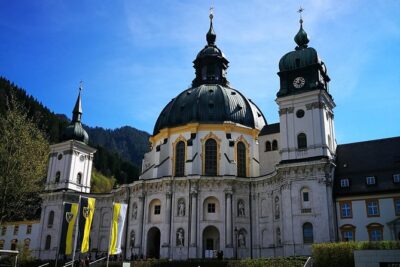
Mike’s Neuschwanstein & Linderhof Private Tour from Munich
Read our review →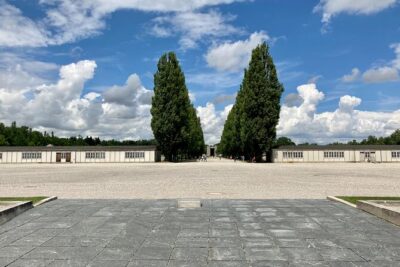
Dachau Concentration Camp Private Tour by Train from Munich
Read our review →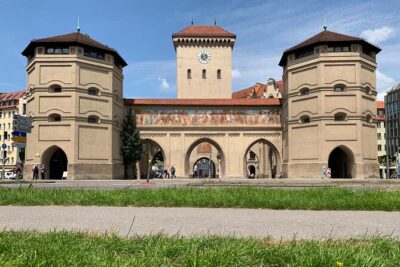
Fall in Love with Munich in a Private Old Town Walking Tour
Read our review →
Neuschwanstein & Linderhof Castle Luxury Private Tour from Munich
Read our review →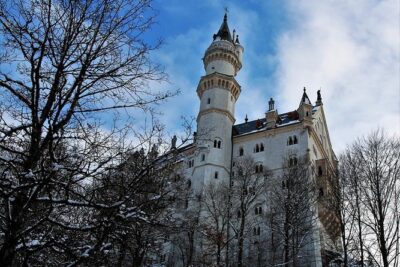
Neuschwanstein Castle, Ettal Abbey and Oberammergau Private Tour from Munich
Read our review →