Reviewed · NIGHT WATCHMAN & GHOST TOURS
Munich – Illuminati & other Secret Societies, Tour in German
Munich’s secret-society stories are the kind that make you look twice at a church façade or a courtyard crest. This tour mixes legend and symbols with real landmarks, so you leave with a new habit, spotting clues you would normally miss.
I like that it focuses on specific places in the center of Munich, not just vague theories. I also like the way it connects the Freemasons to medieval dombau huts and then ties that thread to the Kingdom of Bavaria, so it feels more grounded than most “mystery” tours.
One thing to consider: it’s a German-language tour. If you want English, the info you have says English is only available for a private tour, and one booked experience also felt the content was more general than strictly Munich-focused.
Key Things You’ll Notice on This Tour
- Karlsgate meeting point right in the center, easy to find and easy to keep your bearings
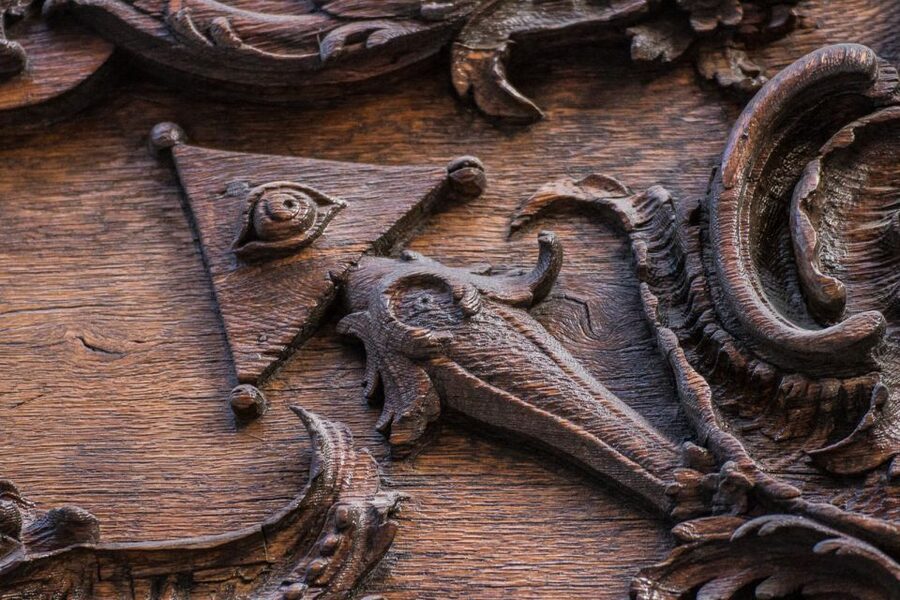
- Symbol spotting on buildings, explained in a way that helps you decode what you’re seeing
- Freemasons and medieval dombau huts, presented as the origin story thread
- Bavarian power meets secret lore, including the role of a Bavarian Elector
- Landmark route through Michael’s Church, Frauenkirche, and Promenade square
- Order of the Golden Fleece and other named groups, including the Guglmen
Getting Started Under Karlstor and Finding the Clues Fast
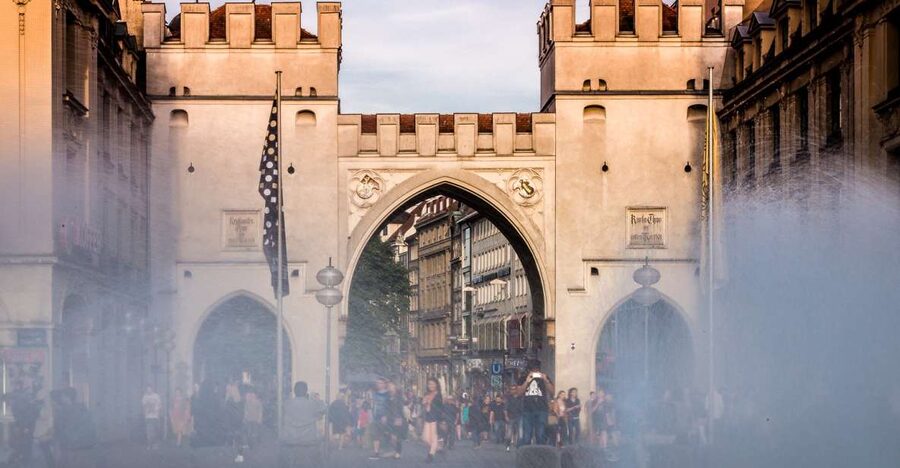
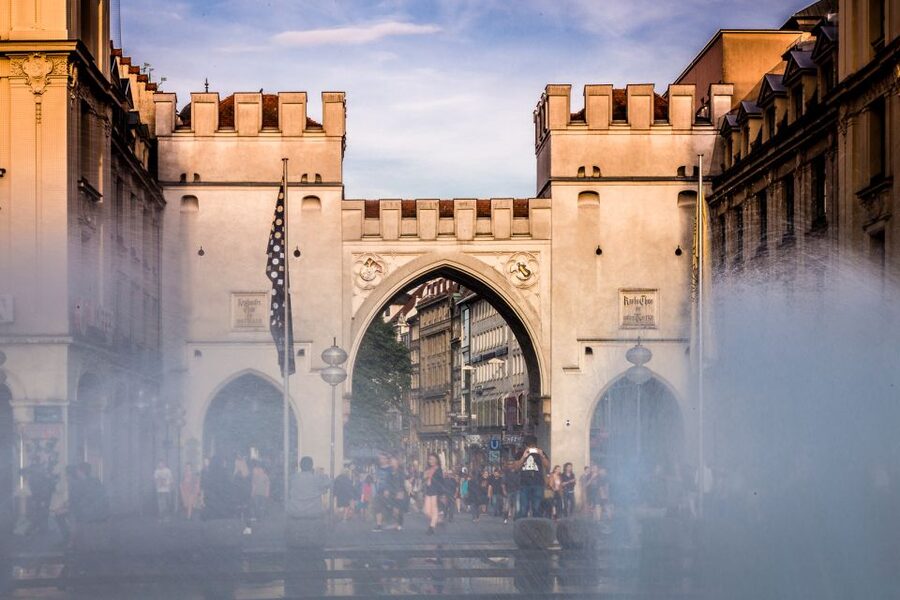
Your tour starts at Karlsplatz, directly under the arch of Karlsgate, at Neuhauser Str. 47. Even before any talking starts, this is a smart choice of location. You’re in the middle of Munich’s pedestrian flow, so you get the real city feel, and your guide can point at details without sending you halfway across town.
From the first minutes, expect a “look closely” approach. The guide leads you through the center of Munich with the mission of turning mystery into something you can actually read. That matters, because secret-society tours can go off the rails into pure fantasy. Here, the emphasis is on symbols you can see, not just slogans you can repeat.
Also, you get a small gift included. It’s minor, but it’s a nice touch for a 2-hour walk, and it helps make the whole thing feel like a real experience rather than a quick chat.
More night watchman and ghost walks after dark:
- Munich: Night Watchman Walking Tour
★ 4.7 · 2,092 reviews - Munich Ghosts and Spirits Evening Walking Tour
★ 5.0 · 1,900 reviews - Munich: Night Watchman Torch Tour in German
★ 4.8 · 1,280 reviews
How Secret-Society Symbols Get Explained on the Street
The heart of this tour is your guide translating what’s on the buildings into meaning. You’re not expected to be an expert, but you are encouraged to play detective as you walk. The guide points out things that passersby will likely ignore, then helps you decipher the markings linked to different groups.
You’ll hear about multiple secret or semi-secret currents connected to Europe’s past, including Knights Templar, Freemasons, and Illuminati. The tour’s framing is simple: some groups are claimed to have tried to improve the world, while others are described as manipulating political and social events through hidden influence. The point is not to force one opinion on you. The point is to show how these stories attach themselves to architecture, crests, and iconography.
Practical tip: keep your phone out for notes, not constant photos. The symbols can be small, and your guide’s explanation moves quickly. A few good notes help you remember what to look for later, when you’re back on your own.
Illuminati, Freemasons, and Knights Templar, With a Bavarian Angle
What I like about this tour is the Bavarian angle. You’re not just collecting generic “secret history” buzzwords. You’re asked to understand how these ideas show up in Munich and how local power shaped the story.
You learn what a Bavarian Elector did to end the conspiracy of the Illuminati and Freemasons once and for all, according to what this tour covers. That’s a big claim, and the way to treat it is as part of the tour’s narrative. Even if you remain skeptical, the useful takeaway is how authorities tried to control or eliminate groups that were believed to threaten order.
Then the tour links the Freemasons to their origins in medieval dombau huts. That’s a specific detail, and it’s valuable because it gives you a chain of logic you can follow: medieval building culture, organized knowledge and craft traditions, and then later influence in the political world. The tour also tells you about the role the masons played in founding the Kingdom of Bavaria, which turns the story from Europe-wide legend into something tied to your actual surroundings.
And yes, you also encounter names that sound like characters, not textbooks. The tour mentions the Guglmen, and it discusses who they are in this context, so you understand what the guide means when a strange-sounding name pops up during the walk.
Old Academy and Michael’s Church, Where the Story Changes Pace
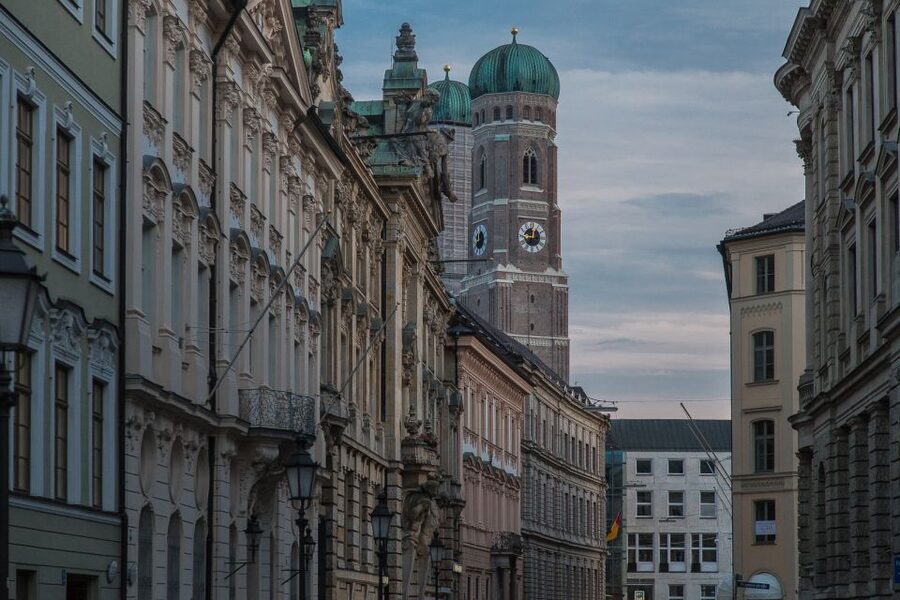
As you move through the route, you go from street-level mystery into landmark-sized focus. The path is designed to keep the symbolism and the setting working together.
At the Old Academy, the tour helps you connect the idea of secret societies to the kinds of institutions and networks that grew up over time. This is where your guide’s “look for clues” technique pays off. You learn how symbols and affiliations can appear in public-facing spaces, not just in back rooms.
Then you head to Michael’s Church. Churches are an obvious place to expect symbols, but the tour’s twist is that it doesn’t treat every icon as automatically related to one group. Instead, it uses the stop to discuss how various societies and their legends leave marks across different kinds of buildings.
If you’re the type who thinks “it’s all superstition,” that’s fine. This is still useful. Even the cautious version works because you’re learning how people in the past explained power, morality, and belonging, using symbols they could carve, paint, or display.
Also reviewed in and around Munich:
- From Munich: Neuschwanstein & Linderhof Castle Full-Day Trip
★ 4.5 · 12,494 reviews - Neuschwanstein & Linderhof Castle-Fairytale Day Tour from Munich
★ 4.5 · 7,275 reviews - Munich: Third Reich & WWII Walking Tour
★ 4.6 · 6,181 reviews - Dachau Concentration Camp Memorial Site Tour from Munich by Train
★ 4.5 · 5,637 reviews
Frauenkirche and Promenade Square, Turning Landmarks Into a Map of Ideas
The tour doesn’t end with a random finish. It ends at Promenade square, after stopping at Frauenkirche. That’s a thoughtful structure because it lets you see the city’s major anchors and then bring the story together as you walk.
At Frauenkirche, you’re in one of Munich’s most defining visual spaces. The guide uses that visibility to discuss symbolism and the idea that secretive or semi-secret groups could still shape culture through what ended up in plain sight. The value here is how your guide ties a big landmark to the same theme you started with under Karlsgate.
By the time you reach Promenade square, you’ll have a clearer mental map. You’ll remember which society threads you heard first, which symbols the guide made you look for, and how those ideas connect to the larger claim that these groups were shaping politics and society, at least in the stories people told.
A practical note: if you want to keep learning after the tour, take a photo of the last stop area so you can compare it later with your notes. Promenade square is a good “memory anchor.”
Freemasons and Medieval Dombau Huts: Why the Origins Matter
The medieval dombau huts part is one of the more grounded elements of the experience. Instead of only talking about modern mysteries, the tour traces Freemasons back to building contexts where knowledge, craft, and organization had to be shared and passed along.
Why this matters for you as a traveler is simple. Origins help you judge plausibility. When a tour stays only in myths, you can’t tell what’s metaphor and what’s history-adjacent. Here, the origin thread gives your brain something to test. You can compare it to what you already know about medieval guilds and construction culture, even if you don’t go full scholar.
Then the tour connects this to Munich and the Kingdom of Bavaria. That part is useful because it explains why the story is not just “somewhere else happened.” It suggests that the influence of masons and their networks can be traced into the local story of state-building.
The Bavarian Elector Story and the Idea of Official Control
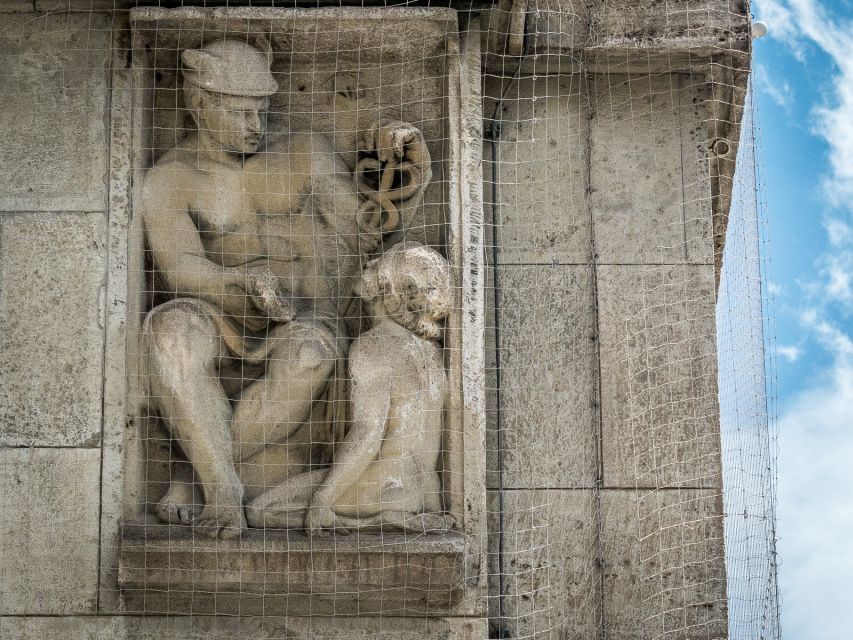
The narrative includes a decisive moment, a Bavarian Elector ending the conspiracies of the Illuminati and Freemasons once and for all. Whether you buy every detail or you treat it as the tour’s storyline, it’s still worth paying attention to.
You learn that secret-society lore often comes with political stakes. People in power respond to threats, rumors, or rival networks. In many European contexts, that leads to bans, crackdowns, propaganda, or legal action, and later generations reinterpret those events as “cover-ups” or “hidden influence.”
That gives you a lens for the rest of the walk. When you see symbols, you start thinking not only about what they mean, but also why someone would want them seen, and why someone else would want them controlled.
Golden Fleece, Guglmen, and the Names You’ll Start Spotting Everywhere
One of the best value parts of this tour is the forward-looking effect. The guide points you toward symbols you can look for even after you finish.
The tour specifically mentions the Order of the Golden Fleece, whose insignia you encounter everywhere in Munich. That is exactly the kind of payoff I want from a short walk: you leave with a concrete thing to watch for on your next day of sightseeing.
You also hear about the Guglmen. That’s not a name you’re likely to guess on your own, so hearing it with context helps you recognize when something is being referenced in another place, another museum caption, or another conversation.
If you love puzzles, this part is rewarding. If you’re not, it’s still practical. Even if you don’t become a symbol detective, you’ll understand why certain crests matter and why guides keep bringing them up.
Price, Timing, and Why $29 Can Still Be Good Value
This tour runs 2 hours and costs $29 per person. For central Munich, that’s a straightforward price point for a guided walk with live interpretation and a named provider, DIE STADTSPÜRER®.
Is it a bargain? It can be, because you’re paying for more than a route. You’re paying for explanation of symbols on buildings, plus a structured storyline connecting multiple groups and named references. That’s hard to DIY unless you already know what to look for.
You do have one consideration. One booked experience described the content as less tightly linked to Munich than expected. That doesn’t automatically mean it’s bad, but it does mean your enjoyment depends on what you want. If you came specifically for Munich-only facts, you may wish for even more stop-by-stop local detail. If you came for a thematic walk where Munich is the stage for secret-society stories, you should feel at home.
Who This Tour Suits Best, and Who Should Skip It
This is best for you if you enjoy:
- walking tours where your guide makes you look at architecture in a new way
- themed history that is specific about symbols, not just dates
- short, focused experiences, 2 hours, without a long transport plan
- curiosity about Freemasons, Illuminati lore, and local Bavarian political context
Skip it if:
- you only want English and you are not booking a private tour
- you dislike tours with a heavy “mystery and symbols” narrative
- you want only strictly verifiable history with no legend-style framing
Also, if you get a guide named Albert, the experience has been praised for how well the guide handled questions and feedback during the walk. That’s a good sign if you like to interact rather than sit quietly.
Should You Book This Munich Secret Societies Tour?
I think you should book it if you want a guided “symbol reading” lesson in central Munich that ends with named references like the Order of the Golden Fleece and a route that takes you past major landmarks. It’s short, it’s focused, and it gives you something to carry forward into your independent sightseeing.
Book with caution if you need English, unless you’re arranging a private version. Also, if you crave deep Munich-specific street-by-street scholarship, you might want to pair this with at least one standard landmark tour so your day balances theory and firmly documented local context.
FAQ
FAQ
What language is the tour in?
The tour is in German, and English is only available for a private tour.
Where is the meeting point for this tour?
Meet directly under the archway of Karlstor, Neuhauser Str. 47, 80331.
How long is the Munich Illuminati and Secret Societies tour?
It lasts 2 hours.
How much does it cost?
The price is listed at $29 per person.
Is the tour wheelchair accessible?
Yes, the tour is wheelchair accessible.
What is included in the tour price?
A small gift is included.
Can I get a refund if my plans change?
Free cancellation is available up to 24 hours in advance for a full refund, and you can reserve now and pay later.
Recently added around Munich
- München: Vegetarische Viktualienmarkt-Probiertour Deutsch★ 4.8 · 6 reviews
- Private Transfer from Munich to Vienna with 2 hours for sightseeing★ 4.5 · 6 reviews
- Munich Walking Quiz: Explore and Discover the City’s Highlights★ 5.0 · 7 reviews
- Walking Tour on Resistance to Nazism in Munich★ 5.0 · 8 reviews
- 2 hour Sights Guided E-Scooter Tour in Munich★ 4.0 · 6 reviews
- Private Transfer from Munich to Salzburg with 2 hours for sightseeing★ 4.5 · 13 reviews
- From Munich: Neuschwanstein Castle and Linderhof Private Tour★ 5.0 · 13 reviews
- Paul’s Private Tour Munich Highlights★ 5.0 · 3 reviews
Night Watchman & Ghost Tours, compared.
Munich Ghosts and Spirits Evening Walking Tour
Read our review →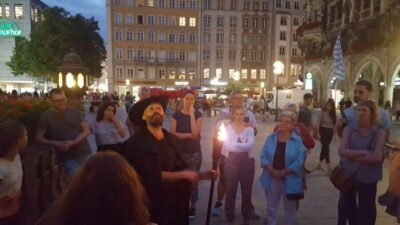
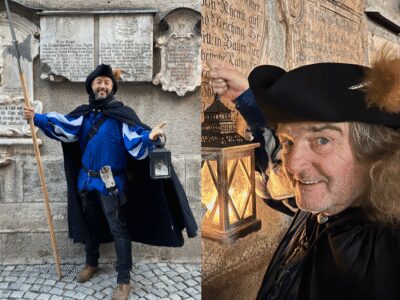
Der Nachtwächter für Kinder – Führung auf Deutsch
Read our review →
Raven Black Witches and Executioners Walking Tour
Read our review →
Mystic Munich – Sagas and Legends of the Old Town
Read our review →Browse the lists this tour appears in