Reviewed · THIRD REICH & WWII WALKING TOURS
Munich and Nazi History Combination Day Tour Small Group
Munich has layers, and this tour tackles one of the darkest ones in a very direct way. You go beyond vague mentions of the Nazi period and connect big events to specific streets, buildings, and decisions.
Two things I really like about it. First, the group stays small, max 15, so your questions do not get lost. Second, the guiding is led by Alun Evans, and he runs the day with smooth public-transport navigation plus a fact-packed, sensitive approach.
One thing to consider: it is a long, heavy day. You will do a lot of walking, and the content is serious, so come ready to slow down, think, and absorb.
Key highlights worth knowing
- Max 15 people for a more personal pace, not a rushed herd
- Alun Evans guided day that ties Dachau and Nazi-era Munich into one clear story
- Dachau museum time built in, so you are not just standing on grounds and moving on
- Public transport logistics handled, including getting there and back efficiently
- Munich walk stops focused on specific Hitler and Nazi moments, ending at Königsplatz
Why This Munich Dark-History Day Starts at Marienplatz
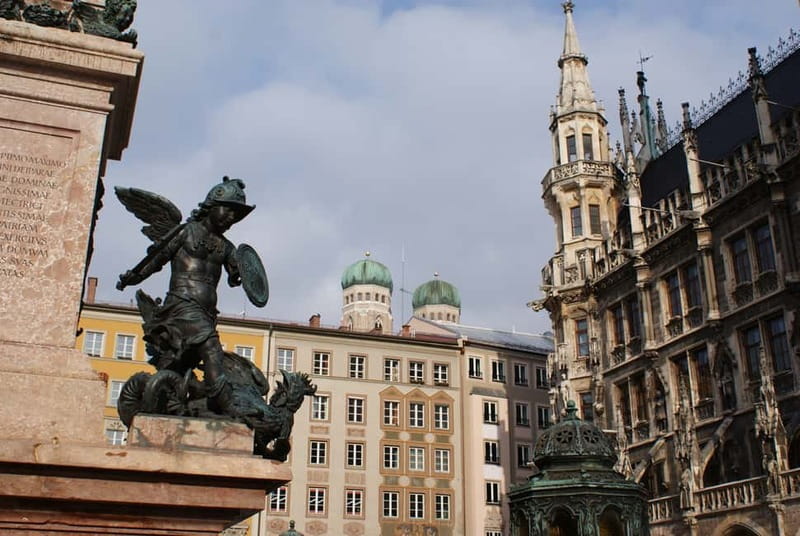
The day is built around a simple idea: if you want to understand Munich’s Nazi connection, you have to see both the origin story and the physical places tied to it. You start at Marienplatz, the city’s central heart, in front of the Tourist information center, where the guide holds a placard reading Dachau Memorial Tour. It is an easy meeting point, and that matters when you are trying to begin the day calm and organized.
From there, you head out by train and arrive at the memorial. That choice is practical. Munich’s transit system is excellent, and using it means you spend less time figuring routes and more time focusing on the meaning of what you are seeing.
The whole structure also keeps you from “touring” the subject in a shallow way. You spend the morning in remembrance and education at Dachau, then later you walk through Munich with a guided explanation of how Nazi power took shape in real locations, not just in textbooks.
Other Third Reich and WWII history walks in Munich:
- Munich: Third Reich & WWII Walking Tour
★ 4.6 · 6,181 reviews - Third Reich Walking Tour Munich
★ 4.5 · 4,291 reviews - Munich: Birthplace of the Third Reich Guided Walking Tour
★ 4.6 · 771 reviews
Dachau in the Morning: How a Memorial Guide Changes What You Notice
Dachau is not the kind of place where you can treat the visit like a checklist stop. The emotional weight and the historical details demand a clear guide, and that is exactly what you get here. Your Dachau visit is led by a memorial-licensed guide for about three hours, with time for both a thorough orientation of the site and a chance to explore the museum exhibit.
What I like most is that the guide encourages questions and interaction. That turns the experience from passive looking into active understanding. You are not only learning what happened. You are also learning what to look for, what details matter, and how different parts of the grounds and exhibits connect to larger historical events.
There is also real value in the built-in museum time. If you have ever visited a museum without guidance, you know how easy it is to miss key context. Here, you get a guided frame first, then you get time to absorb the exhibit at your own pace.
One practical note: plans can shift due to conditions at the memorial. The tour may adjust what happens on-site, with some historical information given offsite plus extra independent time on the grounds. That is worth knowing so you do not expect every element to run in one rigid script no matter the day.
The Train Beats DIY: Efficiency to Use Your Energy Wisely
A big part of the tour’s value is that you are not doing a self-planned day trip from scratch. You spend about 45 minutes on the train to Dachau and another 45 minutes back to the city center. Those transit windows may not sound glamorous, but they are exactly when your guide can set you up for what comes next.
The group is led with a very efficient approach to public transport. The day stays organized even when you are moving through crowded stations and platforms. For me, that is one of those quiet comforts you only appreciate once you have tried to do it on your own and realized how tiring it is to fight the clock.
Also, the tour does not require hotel pick-up. Meeting at Marienplatz makes it easier to line up your day, especially if you are already staying near the center.
Lunch and Reset in Marienplatz Before the Nazi Munich Walk
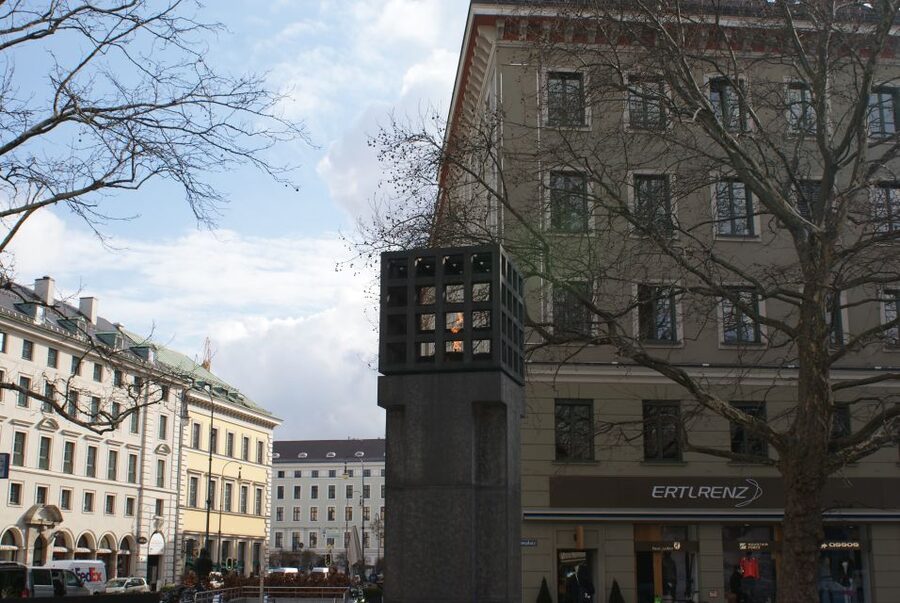
After Dachau, you return to Marienplatz and you get about one hour for a break and lunch. Meals and drinks are not included, but your guide gives suggestions for places to eat and you get time to fuel up.
This is important because the afternoon walk is not light. You are going to be looking closely at specific locations tied to Hitler and the Nazi party, and you need your energy for that. One hour in the center is also a good reset because you are back in a place you can navigate easily.
If you want a practical approach to lunch, I recommend keeping it simple. Eat something filling, then step back outside and take a few minutes to orient yourself. When you rejoin the walking tour, you will be mentally sharper for the historical stops.
More history tours in Munich:
- Munich: Guided Tour of the historic Town Hall on Marienplatz
★ 4.8 · 63 reviews - Munich Craft Beer & Cultural Tour With Snack
★ 5.0 · 46 reviews - Munich History Tour: Private & Personalized with a Local Guide
★ 4.5 · 33 reviews - Munich: Nazi History 2-Hour Small Group Walking Tour
★ 5.0 · 30 reviews
Walking Through Nazi Munich: Specific Places Tied to Specific Decisions
The second part begins at around 3:00 PM back at Marienplatz. This is the “street-level” portion of the story, and it is where the tour earns its name.
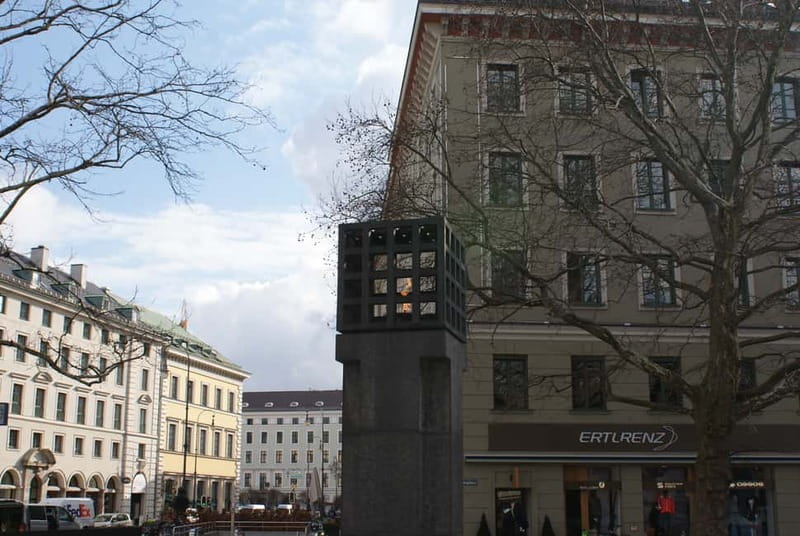
You walk through beautiful Munich, but your guide keeps attention on what is relevant to the Nazi period. Key moments are tied to real locations, including the place where Hitler joined the German Workers Party, the location associated with the decision to carry out a pogrom against German Jews in November 1938, and the site where the Munich Agreement was signed in 1938.
That is the core benefit: you connect dates to places you can point to. It makes the story feel anchored in reality rather than floating as abstract history.
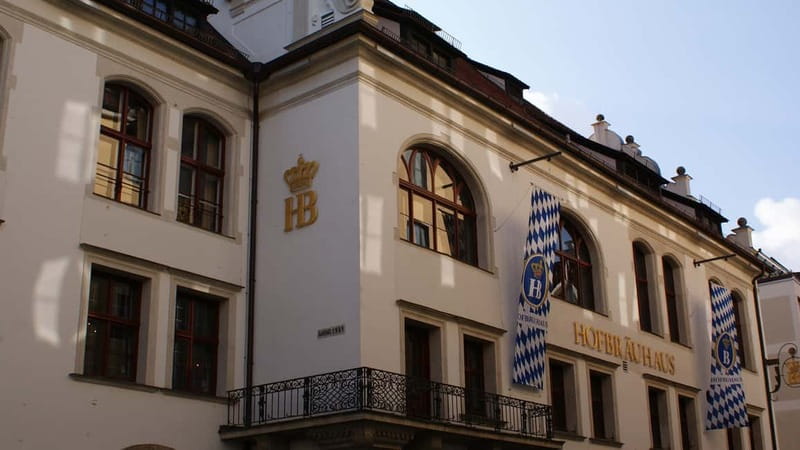
Along the route, you also see other attractions, which helps you keep your bearings. Your walk includes the oldest parish church in Munich, one of the quaintest beer gardens in the city, and quick stops at major landmarks like Hofbräuhaus München. You will even spend a short guided time there, which is a useful reminder that historical power grew inside ordinary life, not in a sealed-off world.
One more detail I appreciate: the guide also includes context around the “Nazi-era origins” and how control and fear developed. It is not only about naming buildings. It is about explaining how the atmosphere changed.
Hofbräuhaus, Führerbau, and the Shift From City Life to Rally Space
The tour does not treat Nazi sites as isolated monuments. It shows how power moved through Munich’s public spaces.
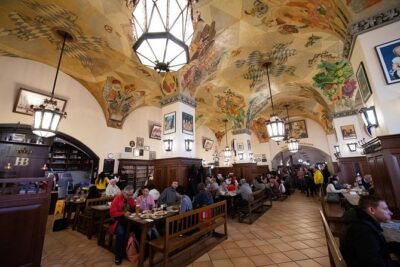
You get guided time at Hofbräuhaus München (about 10 minutes). It is a short stop, but it matters because it ties a famous beer hall to the real geography of the period. You are learning to see the city differently, and that is the point.
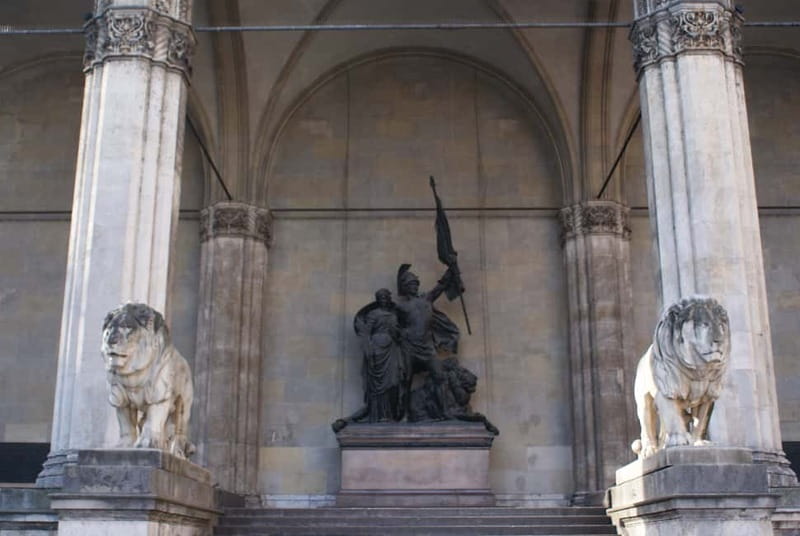
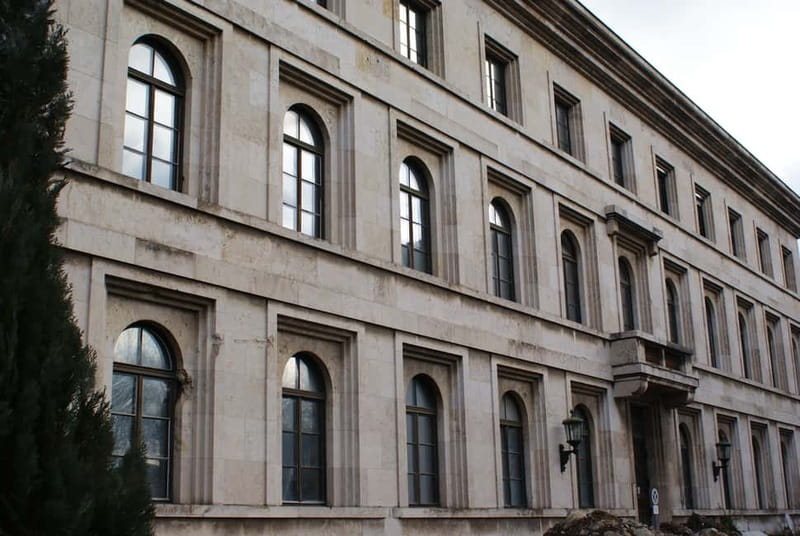
Next comes Führerbau with guided time, followed by a stop at Königsplatz. The guiding here is what prevents the visit from becoming “spot-taking.” You are told why these places mattered, and how Nazi events played out in front of the public.
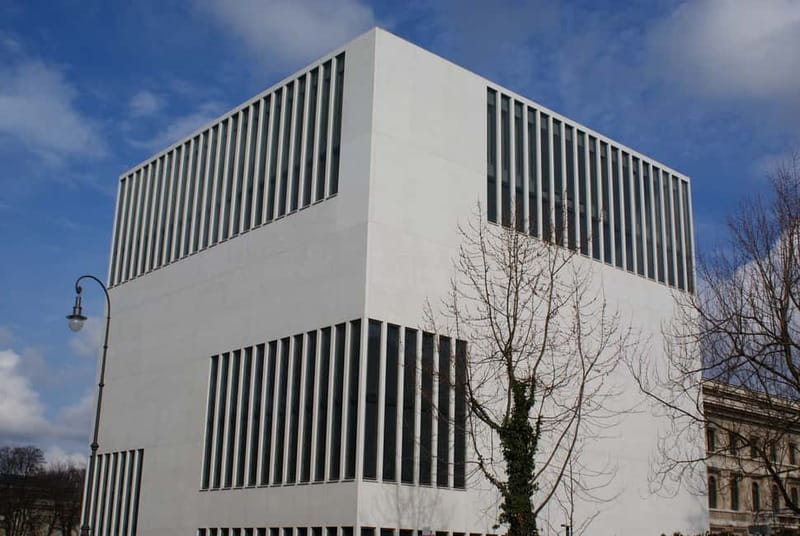
You also visit Königsplatz, where Nazis held rallies, and you hear about the Führerbau building and the new documentation center of National Socialism. Even with short guided timing at each stop, the overall effect is strong because the day has already given you the historical frame.
Ending at Königsplatz: What You Get After the Tour
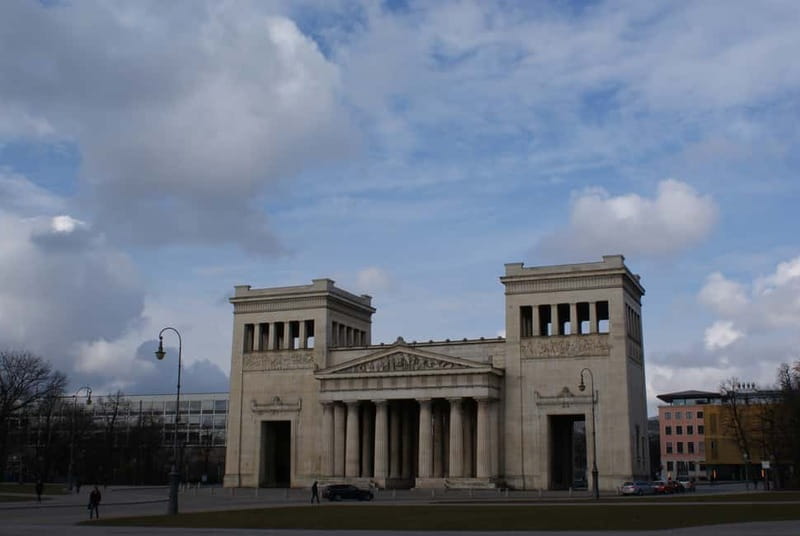
The walking tour finishes at Königsplatz. The tour is designed to leave you with options rather than forcing you into one fixed return.
At the end, you can be escorted back to Marienplatz by train with your guide, or you can pick up your own plan from there. Either way, Königsplatz is a convenient area to continue exploring, and you will have enough context from the walk to choose what to do next without feeling lost.
Group Size, Guide Style, and Why This Feels Well Run
The headline “small group” is not just marketing here. The maximum group size is 15, which keeps the day from turning into a sprint.
A detail I especially like is how the guide handles communication and pace. In multiple ways, your experience is guided with a focus on keeping things flowing smoothly, including managing transit steps efficiently in busy areas. That matters because your attention should stay on the sites, not on figuring out where to stand, which train to take, or how to catch up after a bathroom break.
The guide, Alun Evans, has a strong command of English and presents the Nazi story sensitively and clearly. You also get time for questions, which is a big deal with a topic like this. When you can ask and get straight answers, you build understanding instead of confusion.
One last thing from the tone of the guidance: the day aims to be thought-provoking, but not performative. You are not just “seeing” history. You are learning it in a careful, grounded way.
Price and Value for a Full Guided Day With Transit Included
At $109 per person for about 8 hours, this is not a casual bargain, but it is also not a luxury-priced history seminar. The value comes from a few practical components that add up fast if you were planning it yourself.
You are getting:
- A fully escorted experience with an experienced memorial-accredited guide at Dachau
- Transportation costs for the duration of the tour
- A structured full day that combines Dachau with a guided Nazi-era walking route
If you tried to do Dachau on your own, you would still need transit time, museum or site navigation, and most importantly, you would need the context that makes the place understandable. Here, the guide supplies that context and keeps you organized across both parts of the day.
Also, the small group size reduces the time cost. You spend less time waiting, less time repeating explanations, and more time listening and asking questions.
For me, that is the key value equation: you are paying for a guide-led framework plus the time savings of coordinated transport.
What to Wear and Bring for This 8-Hour Munich Schedule
This day includes walking, including a guided city walk and site time at Dachau. You should plan for comfortable walking shoes and dress for the weather.
You also need to travel light. Luggage or large bags are not allowed, so leave big items at your accommodation. If you normally carry a backpack, consider how big it is. When rules say no large bags, it helps to travel with something compact.
Finally, this tour is not suitable for children under 14. That matters because the content is serious and the tour is designed for adult learning and reflection.
Who Should Book This Tour, and Who Might Want Another Plan
Book this if you want one well-paced day that connects Munich street history to the Nazi period, and you want a guide who can explain the details clearly. It is a smart choice if you care about getting context at Dachau, then using that context to understand what you see in Munich afterward.
You might consider a different plan if you cannot manage a full day that includes walking and a heavy memorial visit. Also, if you need kid-friendly programming, this one is explicitly not for children under 14.
Should You Book It?
I think this tour is a strong option for anyone who wants the Nazi history of Munich explained in a grounded way, starting with Dachau. The small group size, the memorial-licensed guidance, and the smooth handling of transit make it feel efficient without feeling rushed.
If you are ready for serious content and you want your questions answered, this is worth booking.
FAQ
Where do I meet the guide?
You meet at Marienplatz central Munich, in front of the Tourist information center. The guide has a placard with Dachau Memorial Tour.
What time does the tour start?
The tour starts at 09:00 AM.
How long is the Dachau part?
Dachau is guided for about three hours, including time for the museum exhibit.
Are meals included?
No. Meals and drinks are not included. You get about one hour for lunch in Marienplatz, and the guide can suggest places to eat.
Is the tour in English?
Yes. The live tour guide is English.
Is it suitable for children?
No. Children under 14 are not permitted on the tours.
What restrictions are there on bags?
Luggage or large bags are not allowed.
Recently added around Munich
- München: Vegetarische Viktualienmarkt-Probiertour Deutsch★ 4.8 · 6 reviews
- Private Transfer from Munich to Vienna with 2 hours for sightseeing★ 4.5 · 6 reviews
- Munich Walking Quiz: Explore and Discover the City’s Highlights★ 5.0 · 7 reviews
- Walking Tour on Resistance to Nazism in Munich★ 5.0 · 8 reviews
- Private Transfer from Munich to Salzburg with 2 hours for sightseeing★ 4.5 · 13 reviews
- 2 hour Sights Guided E-Scooter Tour in Munich★ 4.0 · 6 reviews
- From Munich: Neuschwanstein Castle and Linderhof Private Tour★ 5.0 · 13 reviews
- Paul’s Private Tour Munich Highlights★ 5.0 · 3 reviews
Third Reich & WWII Walking Tours, compared.
Birthplace of the Third Reich Guided Walking Tour
Read our review →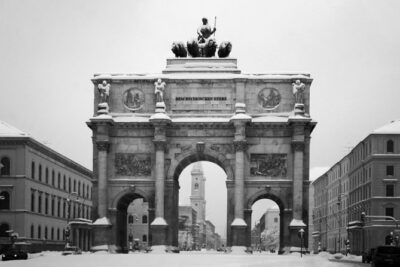
Munich World War II Sites Including Dachau Concentration Camp
Read our review →
Munich City Walking Tour, includes Third Reich & Viktualienmarkt
Read our review →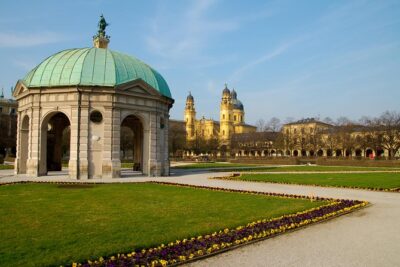
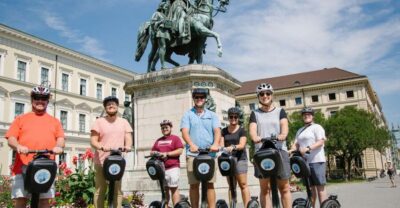
Munich 3-Hour Segway Tour: Nazi Munich & Royal Architecture
Read our review →
Dachau Concentration Camp Memorial Site And Third Reich Day Tour From Munich
Read our review →Browse the lists this tour appears in