Reviewed · THIRD REICH & WWII WALKING TOURS
Munich: Nazi History 2-Hour Small Group Walking Tour
Munich’s Nazi history tour is interesting because it shows how politics took root in very real street corners, beer halls, and plazas, not just in textbooks. You start at Marienplatz, then move through the places where people gathered, argued, and performed power.
Two things I like a lot: the tour is led by Alun Evans, who guides with care and respect, and the format is a small group so questions feel natural instead of rushed. The second big win is that the route hits the emotional moments, especially the Hofbräuhaus area, where speeches and the failed Beer Hall Putsch are part of the story.
One possible drawback: you’ll be walking for about 2 hours in all-weather conditions, so you need decent shoes and a plan for cold or rain.
Key Highlights You Will Feel On This Walk
- Small group pace (limited to 10), which makes the history easier to process without noise or crowding
- Hofbräuhaus stop tied to Nazi meetings, Hitler speeches, and the failed 1923 Beer Hall Putsch
- Odeonsplatz landmarks where grand Bavarian buildings create a sharp contrast with what came later
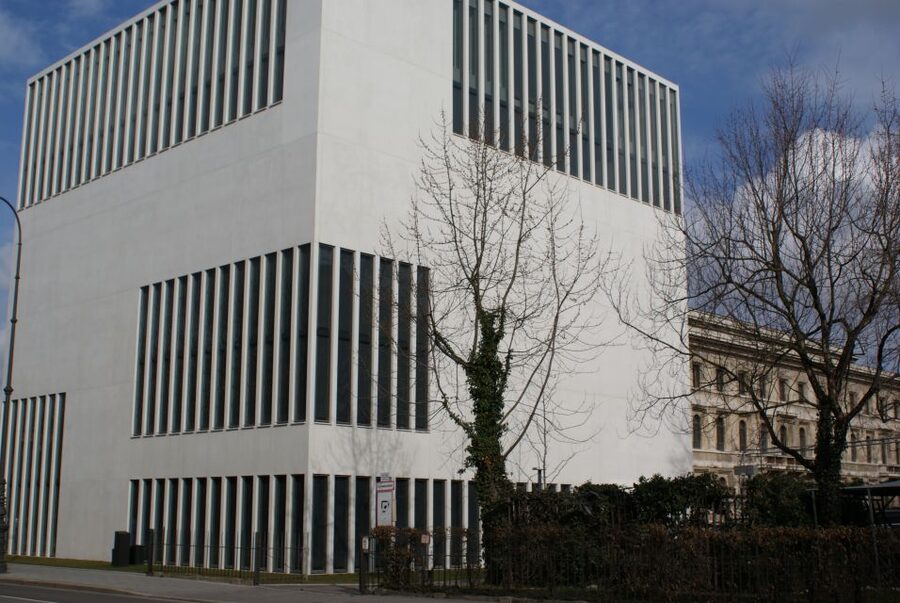
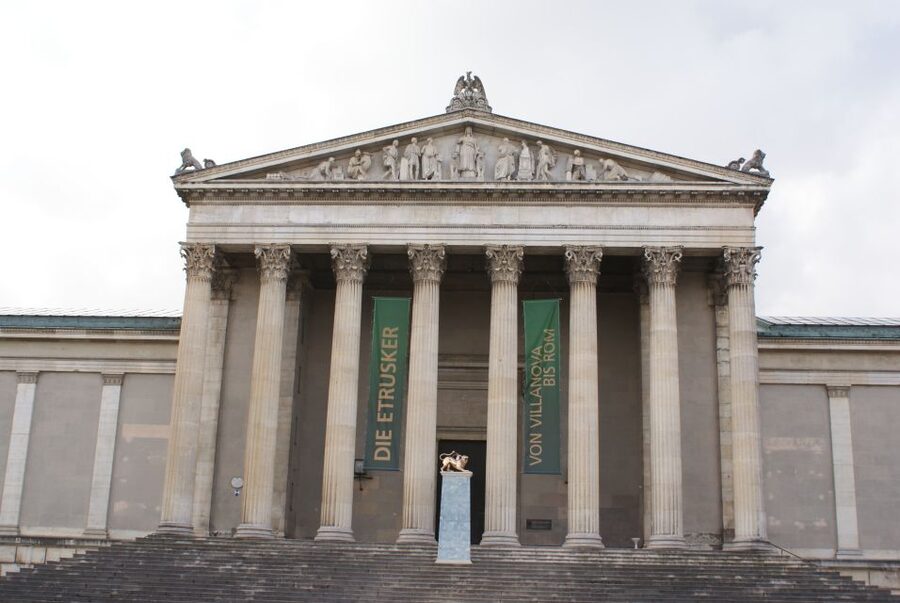
- Königsplatz rally grounds, where the Nazi movement showcased itself to the public
- Alun Evans guide style, candid but respectful, with time to engage and ask questions
- Marienplatz start and finish, so you plug it into your day without complicated transfers
Stepping Off Marienplatz and Into Munich’s Political Turning Point
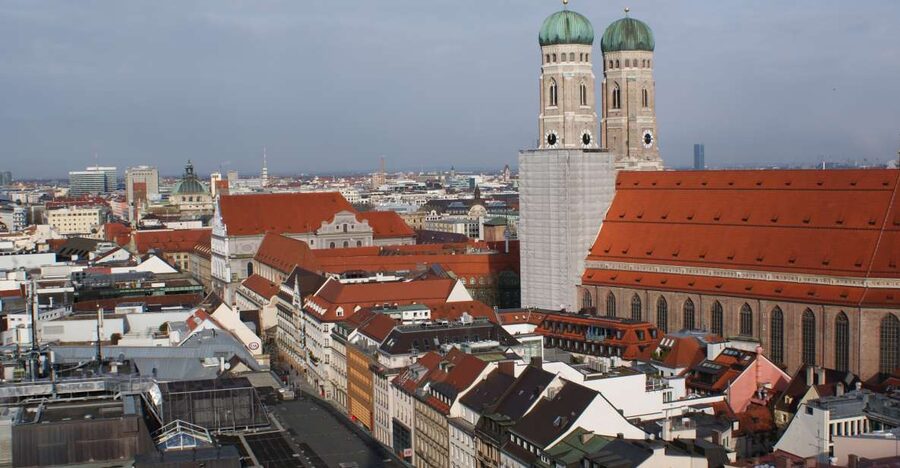
Your day starts at Marienplatz, right in the center of Munich. The meeting point is in front of the Tourist Information Center, and your guide will be holding a sign with the tour operator name so you can spot them fast. From there, the walk begins in the heart of the city, where you can still feel how easy it would have been for a new movement to attract attention in public spaces.
A good Nazi-history tour has a challenge: it has to explain without making the subject sensational. This one keeps that balance by grounding you in the sequence of events, starting with the arrival of Adolf Hitler in 1913, when he was a 24-year-old man with no clear future. That opening matters because it reframes the story. You’re not only seeing the dramatic end of a regime, you’re seeing how the early conditions, frustration, and opportunity can line up.
Expect the tour to use the city’s geometry, squares, and famous buildings as teaching tools. You’ll walk for roughly half an hour at the start, which gives you time to orient yourself before the story gets heavier. The payoff is that when you reach the beer hall and rally sites, the scenes click into place instead of feeling random.
Other Third Reich and WWII history walks in Munich:
- Munich: Third Reich & WWII Walking Tour
★ 4.6 · 6,181 reviews - Third Reich Walking Tour Munich
★ 4.5 · 4,291 reviews - Munich: Birthplace of the Third Reich Guided Walking Tour
★ 4.6 · 771 reviews
Munich’s 1913 Context: How a City Became a Stage
The tour’s early focus is on how Munich helped shape what came next. You’ll connect the dots between the city’s public life and how political movements used it. The guide frames the Nazi story as something that didn’t appear out of nowhere. It grew through recruitment, public meetings, and the ability to recruit emotion at exactly the right time.
As you move through the start area around Marienplatz, I like that the tour doesn’t jump straight to iconic buildings without context. You’re essentially learning the “why” before the “where.” That makes the locations that follow more than scenery. They become specific tools the movement used.
This is also where the group size helps. With a cap of 10 people, you’re less likely to feel like you’re watching from the back row. You can follow the logic of the guide’s explanations, and if something is unclear, you’re more likely to get a direct answer.
Hofbräuhaus München: Speeches, Power, and the Beer Hall Putsch
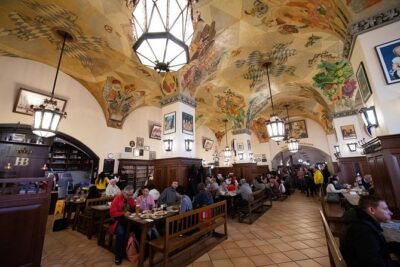
The Hofbräuhaus stop is the emotional centerpiece. You’ll spend about 10 minutes here, which is short, but effective because the point is not to linger inside a famous hall. The point is to understand why this place mattered to the Nazi movement and how that momentum turned into political theater.
Here, you’ll cover three linked ideas:
- The Nazi party’s early public gatherings and meetings in the Munich beer-hall setting
- The role of speeches, where charisma and repetition helped sell an ideology
- The failed Beer Hall Putsch of 1923, a turning point that showed both ambition and brutal limits
The guide uses the setting to show how propaganda works in real rooms, with real sounds, and in front of real crowds. It’s also a reminder that historical events can be tied to places you already recognize from travel brochures. That contradiction can feel odd at first. Then it stops being odd and becomes useful, because you start noticing how ideology uses ordinary life as a megaphone.
One practical note: Hofbräuhaus is a busy area in general. Even though the tour time here is brief, you’ll want to be ready to keep moving and follow the guide’s instructions. You’ll get the story, but you won’t have time to wander.
Odeonsplatz and the Opera-Residenz Contrast
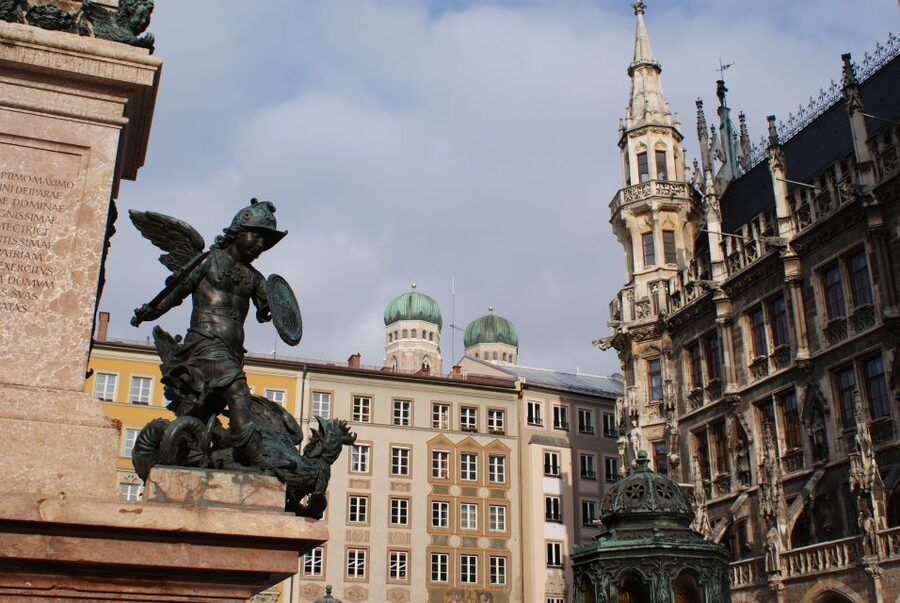
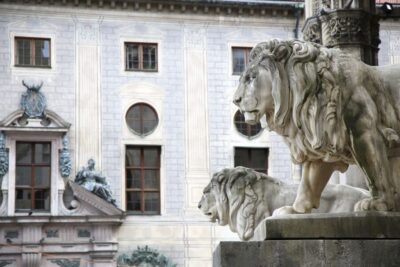
Next you’ll head to Odeonsplatz, with about 15 minutes focused on the area. This is where the tour gets especially interesting visually. You’re standing in the shadow of major Bavarian cultural identity, including the home of the Bavarian State Opera and the Residenz building.
That matters because the Nazi movement wanted legitimacy and spectacle, not just street-level disruption. Seeing grand civic and cultural structures near the narrative of violent politics creates an uncomfortable contrast. It makes you think about how power seeks a backdrop. If you’re hoping history will just be one “dark chapter,” the architecture pushes back. It shows how ideology can borrow grandeur and try to look inevitable.
I also appreciate how this segment adds clarity to the movement’s strategy. The tour ties the Nazi rise to public visibility, not secrecy. You start to understand that these were not purely internal party meetings. They were performances for an audience.
More history tours in Munich:
- Munich: Guided Tour of the historic Town Hall on Marienplatz
★ 4.8 · 63 reviews - Munich Craft Beer & Cultural Tour With Snack
★ 5.0 · 46 reviews - Munich History Tour: Private & Personalized with a Local Guide
★ 4.5 · 33 reviews - Munich and Nazi History Combination Day Tour Small Group
★ 5.0 · 31 reviews
Königsplatz: Where the Movement Looked Big
The ending stretch brings you to Königsplatz, a major rally space. This is where the tour’s emphasis on public rallies comes into focus. The Nazi party held rallies here, and the broader SS-associated narrative is linked through the guide’s explanation of where the movement gathered, organized, and projected authority.
Königsplatz is the kind of place where scale does the talking. Even if you know the history already, standing in an open plaza like this changes the feeling. You can picture crowds, banners, chanting, and the way mass attention can feel like destiny. That’s exactly the mechanism the guide is pointing to, the way political movements can turn public space into persuasion.
Spending time here also helps you connect the previous stops. Hofbräuhaus gives you the speech and assembly culture. Marienplatz gives you the city center logic. Odeonsplatz adds the “legitimacy” stage setting. Then Königsplatz delivers the final piece, the outdoor arena built for influence.
At the end, the tour returns you to Marienplatz. And there’s a helpful option included if you’d rather not navigate on your own. You can request to return to Marienplatz with your guide, depending on how the route lands for your group.
How Long It Really Takes, and What You’ll Actually Remember
This is a 2-hour walking tour, and that time constraint is a feature. Nazi history can sprawl if a guide isn’t disciplined, and this one stays focused on the specific Munich locations and the key turning points they represent.
You’ll cover multiple stops, but not so many that the story turns into a blur of facts. The schedule spacing also helps your brain absorb what you’re seeing:
- An initial orientation around Marienplatz
- A tight, high-impact Hofbräuhaus segment
- A structured Odeonsplatz block
- A final rally-scene finish at Königsplatz
- Wrap-up back at Marienplatz
Because the group is small, you’re more likely to remember the guide’s explanations. In bigger tours, the most important details often get lost in noise and crowd flow. Here, you can stay tuned.
Alun Evans’ Guide Style: Clear, Respectful, and Engaging
The guide is a major reason the tour earns top marks. Alun Evans comes across as caring and humble, but also focused and direct. People describe him as engaging and welcoming, and the best part is how he handles sensitive material: candid when it counts, but tactful in how he frames it.
You’ll also notice a practical difference in how the tour feels. With fewer people, the guide can adapt to the group’s pace. In one experience shared from a snowy day, the conditions were brutal, but the guide still kept everyone engaged, which speaks to the tour’s commitment to running in real weather.
If you like history but want it told in a way that keeps moving, this is a good match. Alun Evans’ approach makes the past feel present without turning it into entertainment. That balance is hard to find, and it’s exactly what you need for Nazi-era content.
Price and Value: What $58 Buys You in Munich
At $58 per person for 2 hours, you’re paying for three things: a local English-speaking guide, a tight route through high-impact sites, and a small group experience.
Compared with standard bus tours that skim the surface, this format is more “workshop” than “scrolling through landmarks.” You get context at each stop, and you don’t have to spend your trip days assembling information yourself. You’re also not paying for museum admissions or extra activities, because the value here is interpretation and route design.
Is it the cheapest way to see Munich history? No. But for a subject like this, I think the price makes sense when you care about accuracy, tone, and a meaningful walk. The small-group structure also helps you avoid the usual problem: paying for a tour but not being able to ask the one question you actually have.
Who This Tour Is Best For (and Who Might Want Something Else)
I’d recommend this tour if you:
- Want a focused Munich Nazi history walk that connects major sites into a clear storyline
- Prefer small group discussions over large group logistics
- Enjoy understanding how ideology spreads through public life, not just dates and names
It might be less ideal if you:
- Want a long, museum-heavy program rather than a city-walk focus
- Hate being outdoors, since it runs in all weather and you’ll be walking for close to two hours
If your trip includes limited time in Munich, this works well because the route is central and starts and ends at Marienplatz. You can stack it with lunch, a museum visit, or an evening stroll without losing your whole day to transit.
Should You Book This Nazi History Walking Tour?
I’d book it if you want an organized, respectful way to understand Munich’s role in the Nazi rise. The combination of Alun Evans’ guide style, the tight small-group format, and the route through Hofbräuhaus, Odeonsplatz, and Königsplatz makes the story easier to follow than doing it alone.
The main thing to keep in mind is weather and comfort. Wear good shoes, bring a layer, and be ready to walk. If you do that, you’ll end with something rare for history tours, clarity. You’ll understand the places, the sequence, and why these locations were used as tools for persuasion.
If you’re coming to Munich mainly for architecture or beer culture, you can still choose this. Just know you’re using familiar streets for a difficult lesson. Done well, it makes your whole visit more honest.
FAQ
Where do I meet for the tour?
Meet in front of the Tourist Information Center on Marienplatz. Your guide will be holding a sign with the tour operator name.
How long does the Munich Nazi History 2-Hour walking tour take?
The tour lasts 2 hours.
What language is the tour guide?
The guide provides the tour in English.
How big is the group?
The tour is a small group limited to 10 participants.
Where does the tour start and end?
It starts and ends in central Munich at Marienplatz.
What stops are included on the walking route?
The tour includes key Munich locations such as Hofbräuhaus München, Odeonsplatz, and Königsplatz, plus time at Marienplatz.
Is hotel pickup included?
No, hotel pickup is not included.
Is anything besides the guide included in the price?
You get a local, English-speaking guide, plus a fixed meeting point. Refreshments are not included.
Does the tour run in bad weather?
Yes. The tour operates in all weather conditions, so dress accordingly.
If you want, tell me your travel month and whether you’re comfortable with longer outdoor walking. I can help you decide what time of day to schedule it.
Recently added around Munich
- München: Vegetarische Viktualienmarkt-Probiertour Deutsch★ 4.8 · 6 reviews
- Private Transfer from Munich to Vienna with 2 hours for sightseeing★ 4.5 · 6 reviews
- Munich Walking Quiz: Explore and Discover the City’s Highlights★ 5.0 · 7 reviews
- Walking Tour on Resistance to Nazism in Munich★ 5.0 · 8 reviews
- 2 hour Sights Guided E-Scooter Tour in Munich★ 4.0 · 6 reviews
- Private Transfer from Munich to Salzburg with 2 hours for sightseeing★ 4.5 · 13 reviews
- From Munich: Neuschwanstein Castle and Linderhof Private Tour★ 5.0 · 13 reviews
- Paul’s Private Tour Munich Highlights★ 5.0 · 3 reviews
Third Reich & WWII Walking Tours, compared.

Birthplace of the Third Reich Guided Walking Tour
Read our review →
Munich World War II Sites Including Dachau Concentration Camp
Read our review →
Munich City Walking Tour, includes Third Reich & Viktualienmarkt
Read our review →
Munich 3-Hour Segway Tour: Nazi Munich & Royal Architecture
Read our review →
Dachau Concentration Camp Memorial Site And Third Reich Day Tour From Munich
Read our review →Browse the lists this tour appears in