Reviewed · DACHAU MEMORIAL VISITS
Munich World War II Sites Including Dachau Concentration Camp
Munich has a way of making World War II history feel uncomfortably real. This combo tour pairs a street-level Third Reich walk in central Munich with a guided visit to the Dachau Concentration Camp Memorial Site, so you connect ideology to everyday locations. I like that the day is structured, respectful, and paced with a break, but it is also a heavy day that covers a lot in one stretch, so plan for long standing and plenty of walking.
What makes it stand out is the way the subject is handled. Several guides named in recent feedback, including Jake, Emmett, Ian, Scott, and Connie, were praised for keeping the tone serious while still making the information stick, even when the topic is hard to hear. The main drawback to consider is that the format can feel information-heavy, and some parts of Munich are reconstructed or changed over time, so you will have to accept learning through context, not perfect preservation.
Key things I’d circle before you book
- Dachau is guided end-to-end, including the camp and museum highlights in about 2.5 to 3 hours
- Munich Old Town stops hit the power points, from Königsplatz marching ground to Beer Hall Putsch locations
- You get both story and geography, so you see how Nazi rule took shape in streets and institutions
- Small group size up to 25, which helps during a somber, question-friendly visit
- Public transport to Dachau is part of the plan, saving cost and keeping the day efficient
- Strong guide reviews, with names like Emmett, Jake, Ian, Scott, and Connie mentioned often
A Munich day that links Third Reich streets to Dachau’s reality
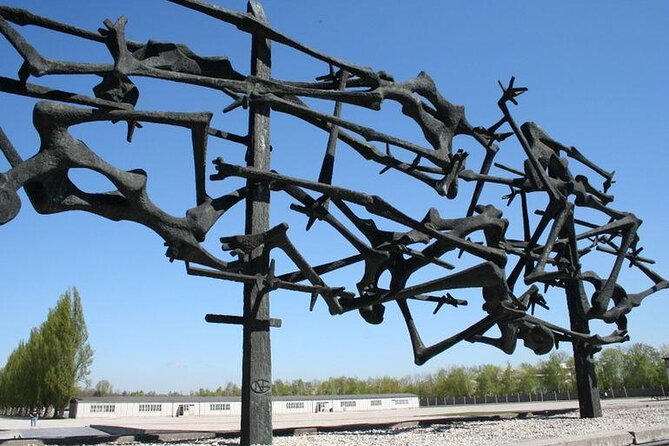
This tour works best if you want more than photos and quick facts. Munich’s city center tells part of the story, but Dachau supplies the brutal, historical anchor. Put together, the message is clearer: ideology became institutions, and institutions became systems built to imprison and destroy.
I like the balance of locations. The Munich walking portion is built around places tied to the rise of the Nazis and key events, like the Beer Hall Putsch in 1923 and the former headquarters of the Gestapo. Then Dachau steps in with the camp’s daily machinery, including areas you would otherwise miss if you only read exhibit text on your own.
One practical note up front: this is not a light stroll. It is an 8.5-hour outing that starts in the morning and ends back near central Munich. You’ll spend time outside, you’ll stand through portions, and you’ll move at a group pace.
Other Dachau memorial visits from Munich:
- Dachau Concentration Camp Memorial Site Tour from Munich by Train
★ 4.5 · 5,637 reviews - From Munich: Dachau Memorial Site Day Tour
★ 4.8 · 2,723 reviews - From Munich: Dachau Memorial Site Half-Day Trip
★ 4.7 · 2,526 reviews
Getting to Dachau Memorial: the train and bus rhythm
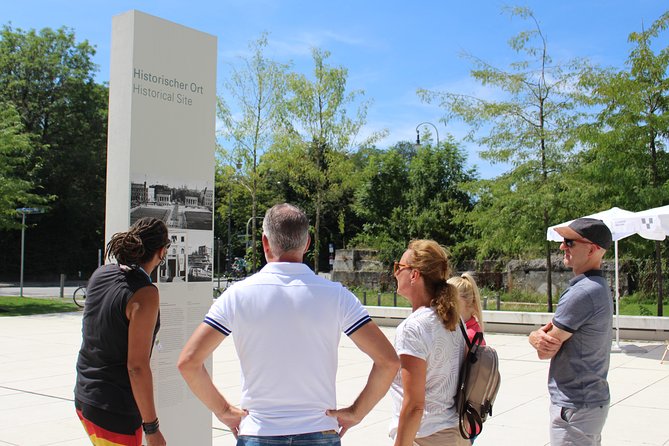
The day starts with a meet and greet at München Hauptbahnhof, Munich’s main rail station. After that, you ride north to Dachau by train. Once you arrive, the group continues to the memorial using public transport, with the transport paid as part of the tour.
This approach is common for a reason. Using public transit keeps the price down and avoids adding extra private vehicle logistics. It also means you’ll likely experience the reality of commuting, not a special bubble ride. Some people find the group transport crowded at times, especially on busy rail segments and when switching to buses.
If you get motion-sick or you dislike standing for transfers, think ahead. Bring a small water bottle, wear shoes you can walk in for hours, and keep your daypack light. You are going to walk inside Dachau and back through Munich afterward.
Dachau Memorial Site: what you will see in a 2.5 to 3 hour guided visit
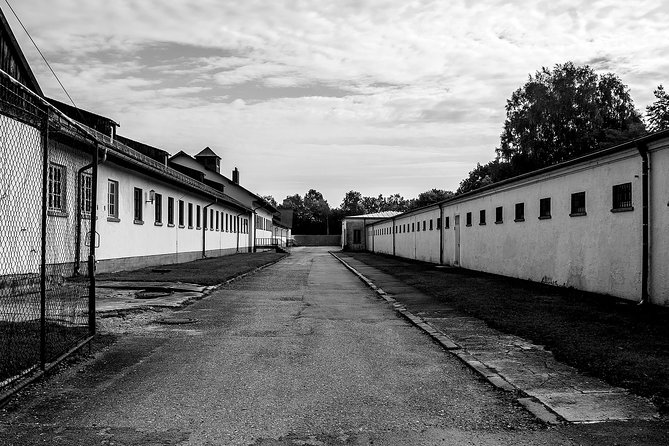
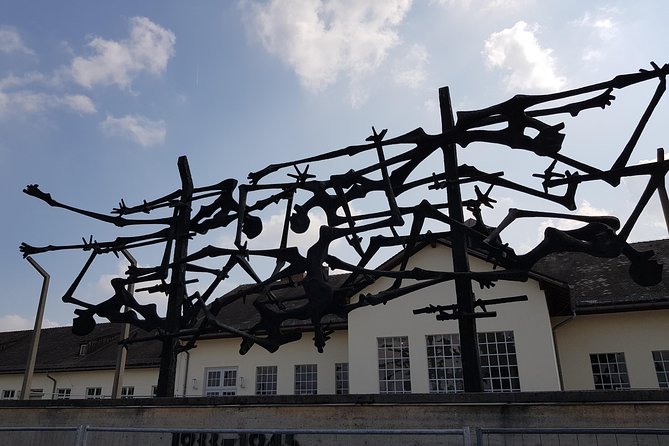
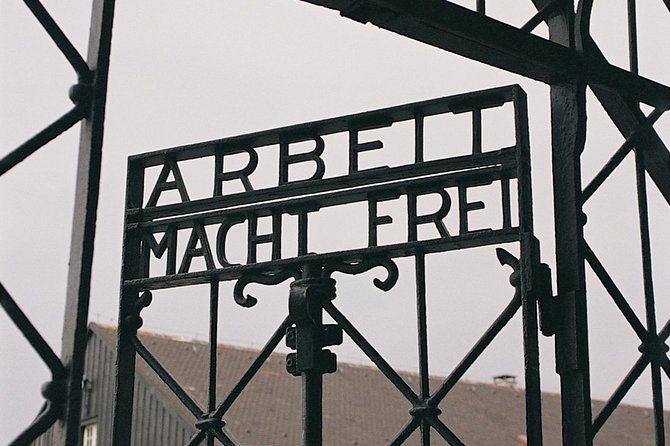
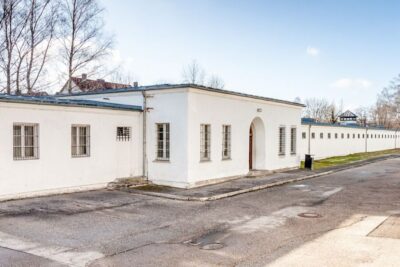
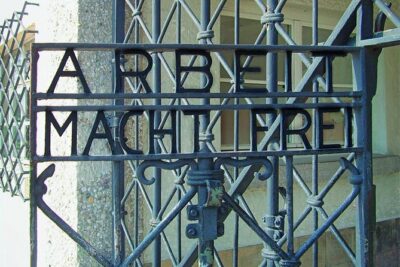
Dachau is the first Nazi concentration camp in Germany during the Holocaust, and it also served as a model for later camps. During your guided time at the Memorial Site, you will see the core parts of the camp experience, not just the museum lobby.
Expect your guide to bring the site to life through specific elements such as:
- Photographs and documents
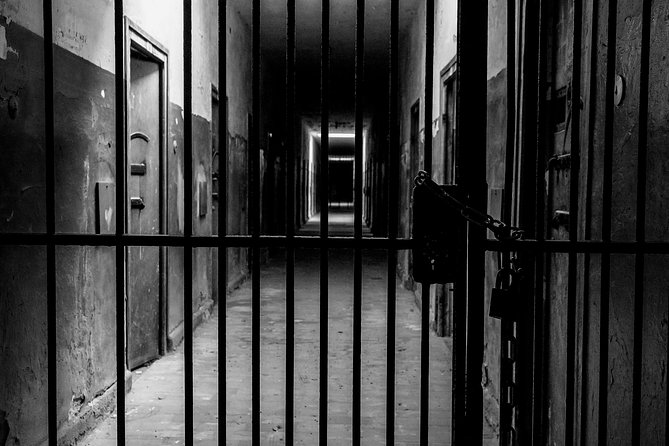
- Reconstructed cell blocks
- The crematorium
- The administration headquarters
You’ll also get less obvious links to Nazi leadership tied to the camp’s origins. The memorial portion includes discussion of names connected to the camp, including Heinrich Himmler and the camp guard who founded the site. The point is not trivia. It’s how authority, bureaucracy, and cruelty connected in one place.
What I appreciate here is the guided framing. Dachau can feel like a checklist if you go too fast, but the tour gives you a path through the emotional landscape. Guides named in recent feedback, including Emmett, Jake, Ian, and Scott, were repeatedly praised for keeping their delivery respectful. That matters, because pacing and tone can make or break a heavy visit.
A consideration: the time on site is about 2.5 to 3 hours, so you will not read everything. If you are the type who wants to linger over each panel, you may feel slightly rushed. If your goal is to understand the structure of what happened and why Dachau is historically important, this length is a solid fit.
Munich’s Third Reich walk: Königsplatz to Marienplatz and the locations that changed everything
After returning to Munich, you get a break before meeting your group for the Munich Old Town walking tour. This is where the day turns from camp history back to city geography.
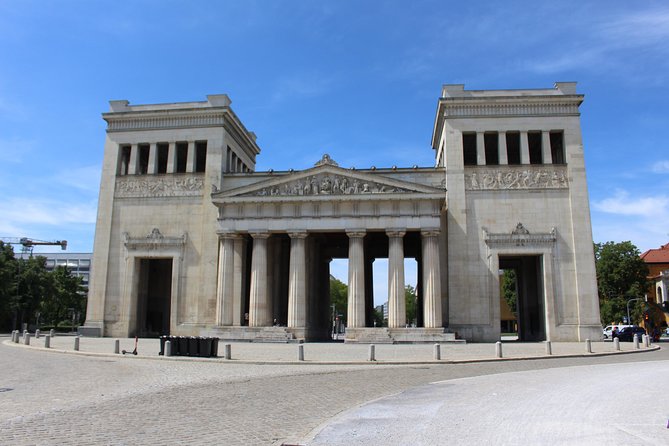
The route centers on Nazi-era landmarks and the physical spaces tied to power, propaganda, and political momentum. The tour begins at Königsplatz, a well-known Nazi marching ground. From there, you move through the city center, including Marienplatz, where the bulk of the walking takes place in about 2.5 hours.
You will also be shown places tied to major events and institutions, including:
- The building where Hitler first joined the Nazi party
- The former headquarters of the Gestapo
- The location associated with the Beer Hall Putsch in 1923
This portion is valuable because it shows how history was organized in streets, offices, and meeting halls. It also helps you make sense of what you see in guide explanations later. Without this city walk, Dachau can feel like a sealed-off tragedy. With it, you see how political movements used public space, messaging, and control.
Practical drawback: Munich is noisy in parts, and the tour includes standing near buildings. If you struggle to hear on sidewalks or in open plazas, you might want to choose a spot near the guide and keep an ear out when the group stops.
Other Third Reich and WWII history walks in Munich:
- Munich: Third Reich & WWII Walking Tour
★ 4.6 · 6,181 reviews - Third Reich Walking Tour Munich
★ 4.5 · 4,291 reviews - Munich: Birthplace of the Third Reich Guided Walking Tour
★ 4.6 · 771 reviews - Munich City Walking Tour, includes Third Reich & Viktualienmarkt
★ 5.0 · 458 reviews
The pace, the walking load, and how to not burn out
This is a full-day format, about 8 hours 30 minutes. You start at 9:00 am and you end back at the meeting point near Dachauer Str. 4. It is split into two main segments, with a break between Dachau and the Munich walk.
That break is essential. It gives you time to use the restroom and grab lunch nearby. Lunch is not included, so you’ll want to plan for that yourself. A short break can still be tight if the group needs to reorganize after transport, so having a simple plan helps: know where you want to eat or at least where you will go for something quick.
The walking load is real. Expect long standing, some outdoor time, and a schedule that does not slow down much. One recurring theme in feedback is that the day is physically demanding. If you come prepared, you’ll enjoy it more.
My advice:
- Wear comfortable, broken-in shoes
- Bring water and something small to snack on
- Dress for the weather, because you will be outside for stretches
- If you want photos, plan them quickly during stops so you don’t lose group flow time
Price and value: what you’re paying for at $105.21
At about $105.21 per person, this tour has a clear value proposition. You are not just buying a ticket to one place. You’re paying for a full-day structure that includes:
- A guided Dachau Memorial Site visit
- A guided Munich Third Reich Old Town walk
- Transport included between Munich and Dachau using public connections
- A local guide for both parts
Because Dachau is a major, emotionally intense site, guidance matters. Going on your own can be informative, but the tour gives you a “through-line” between topics and locations. It’s also the difference between wandering through information and getting a guided framework for what you’re seeing, including contextual stories and historical connections.
The “value” angle also shows up in group size. With a maximum of 25, you’re not crammed into an enormous crowd. That helps when you need to ask a question, and it can improve how your guide manages timing during stops.
If you are hoping for a slow, gallery-style day, this combo might feel like a lot for the price. If you want a high-impact overview with professional guidance across both locations, it’s priced like a practical option, not a luxury experience.
Guides and tone: the difference between facts and care
Heavy history needs a careful tone. You’ll notice this tour is set up to handle that. Guides named in feedback, such as Jake and Emmett for Dachau, Ian for Dachau, and Josh and other guides for the Munich portion, were praised for respectful delivery and for keeping people engaged.
One theme worth noting is how guides blend serious content with group management. Some feedback specifically highlights help with keeping the group together and ensuring bathroom breaks during a long travel day. That’s not glamorous, but it makes a huge difference when you’re covering ground and sitting in a somber environment.
Another theme: some people found the information load intense. That is not automatically a bad thing, but it is a heads-up. If you process slowly or you prefer to read every sign at your own speed, you may feel overloaded. For those cases, you can treat the tour as the framework, then do a return visit later if you want to spend more time alone in the exhibits.
Who this tour is for (and who should pick a different plan)
This is a strong fit if you:
- Want Nazi-era context in Munich, not just general WWII facts
- Are okay with a long day that mixes walking, standing, and emotional content
- Prefer a guided route through Dachau rather than a purely self-guided visit
- Like learning that connects events to specific buildings and public spaces
It might be less ideal if you:
- Need frequent long breaks or lots of seating time
- Want a slow pace where you can read every exhibit panel without time pressure
- Are very sensitive to the emotional intensity of concentration camp history and want more personal control over pacing
Also, there’s a clear age rule. The tour is open to visitors aged 13 and older, and under 13s are not permitted.
Should you book this Dachau and Munich Third Reich combo?
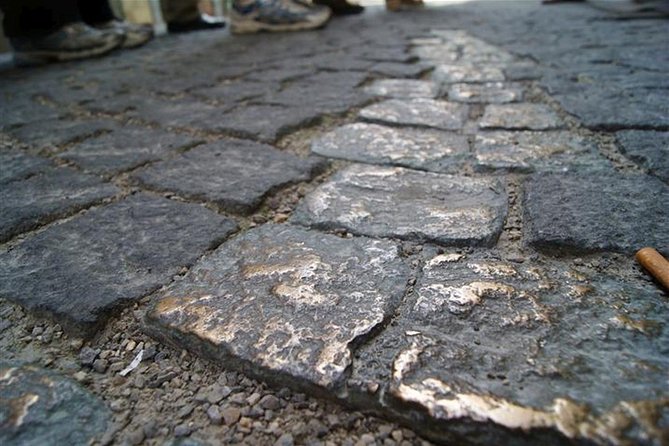
I think this is worth booking if your goal is understanding, not just sightseeing. The biggest selling point is that the day connects Nazi ideology and events in Munich to what happened inside Dachau. You leave with a clearer map of cause and effect.
Book this tour if you want:
- A guided Dachau visit that covers major areas without you getting lost
- A Munich walking route that points to real locations tied to the Nazi rise and political events
- A structured day with a break and manageable group size
Skip it, or consider a different setup, if you want long quiet time at Dachau or you already know a lot and hate information-dense tours.
If you do book, come ready for a serious day. Bring water, dress for weather, and remember the goal is to understand what this place meant historically. With the right mindset and good shoes, this tour can be one of the most meaningful ways to learn Munich’s WWII story.
FAQ
What age can join this tour?
This tour is open to visitors aged 13 and older. Under age 13s are not permitted.
How long is the tour?
The total duration is about 8 hours 30 minutes.
What language is the tour offered in?
The tour is offered in English.
Is food or drinks included?
No. Food and drinks are not included.
How do you travel to Dachau from Munich?
You travel as a group using public transportation, including a train ride from Munich and additional city transport to reach the memorial.
Where do you meet for the tour?
You meet at Radius Tours, Dachauer Str. 4, 80335 München.
How long is the Dachau memorial portion?
The Dachau Concentration Camp Memorial Site tour runs about 2.5 to 3 hours.
Recently added around Munich
- München: Vegetarische Viktualienmarkt-Probiertour Deutsch★ 4.8 · 6 reviews
- Private Transfer from Munich to Vienna with 2 hours for sightseeing★ 4.5 · 6 reviews
- Munich Walking Quiz: Explore and Discover the City’s Highlights★ 5.0 · 7 reviews
- Walking Tour on Resistance to Nazism in Munich★ 5.0 · 8 reviews
- 2 hour Sights Guided E-Scooter Tour in Munich★ 4.0 · 6 reviews
- Private Transfer from Munich to Salzburg with 2 hours for sightseeing★ 4.5 · 13 reviews
- From Munich: Neuschwanstein Castle and Linderhof Private Tour★ 5.0 · 13 reviews
- Paul’s Private Tour Munich Highlights★ 5.0 · 3 reviews
Dachau Memorial Visits, compared.
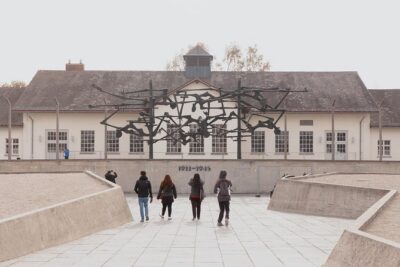
Dachau Concentration Camp Memorial Site Tour from Munich by Train
Read our review →
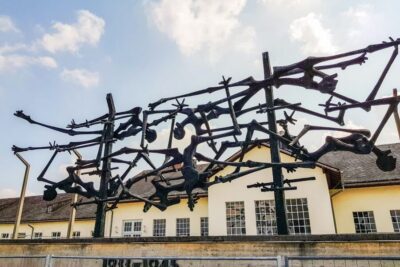
Dachau Concentration Camp Memorial Tour with Train from Munich
Read our review →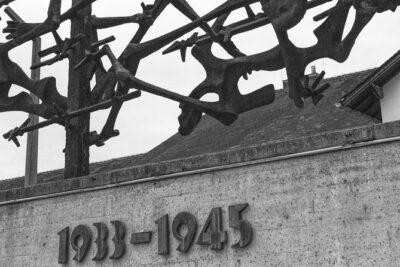
Early-Start Dachau Memorial Half-Day Tour from Munich
Read our review →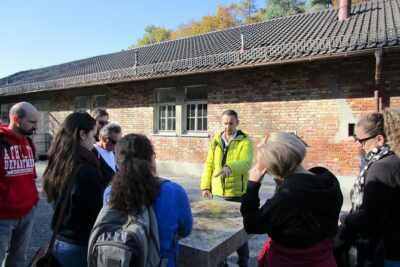
Guided Dachau Concentration Camp Memorial Site Tour with Train from Munich
Read our review →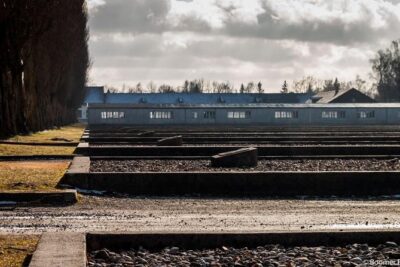
Full-Day Dachau Concentration Camp Memorial Site Tour from Munich
Read our review →Browse the lists this tour appears in