Reviewed · THIRD REICH & WWII WALKING TOURS
Munich: Historical Walking Tour on the Rise of Hitler
This experience is interesting because it walks you right through how a supposedly open, artistic Munich became the stage for Nazi power. It follows the rise of Hitler and the Nazis in a way that makes the cause and effect feel real, not abstract. You’ll cover the places tied to speeches, parades, and wartime Munich, with the city’s architecture doing a lot of the talking.
What I like most is the local, Munich-born guide Alex and his steady, clear storytelling from start to finish. I also like that the tour keeps a chronological structure, so you can connect early events to the later building boom and propaganda presence in the city.
The main thing to consider is that this is a heavy topic. You’ll be dealing with Nazi history on real streets, and the tour runs in bad weather too, since it takes place rain or shine.
Key Things You’ll Notice on This Walk
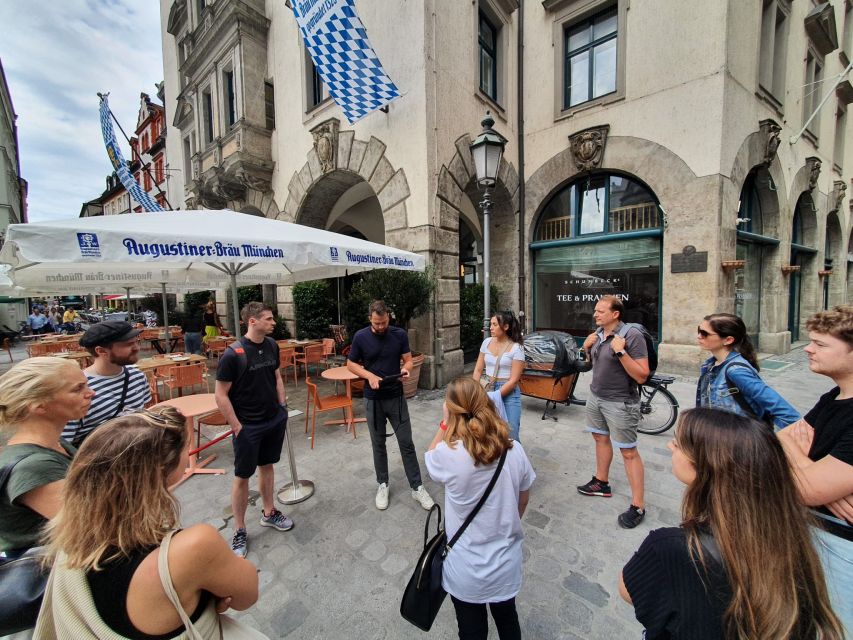
- Alex’s real-local perspective on how Munich helped shape National Socialism
- A chronological route that makes it easier to follow the story without being a history expert
- Propaganda-era buildings still in the streetscape, many of which survived the war
- Sites tied to speeches and Nazi public rituals, including the parade culture
- A serious message delivered in a lighter tone when the moment allows, including short breaks
- Helpful context for modern Munich, so you understand why these places still matter
Munich’s Dark Turn: Why This Walk Feels So Real
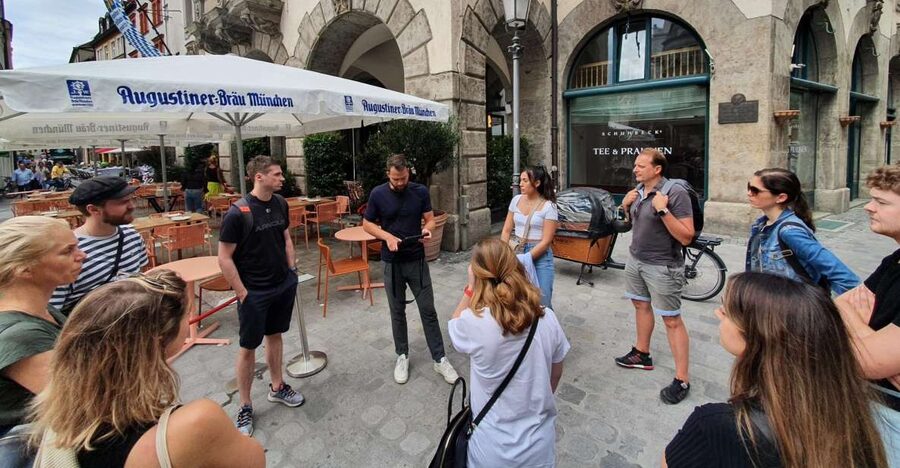
Munich has a reputation for bright plazas, beer halls, and an easygoing pace. That’s part of why this tour hits so hard. The city also has a darker layer, one you can still read in squares, facades, and the way certain locations became stages for political theater.
On this 2.5-hour historical walking tour, you’re not just collecting facts. You’re watching the rise of the Nazis happen in the exact kind of public spaces people used every day. The story begins with how Munich played a decisive role in National Socialism’s growth. Then it moves into the uncomfortable logic of power: how momentum becomes ceremony, ceremony becomes propaganda, and propaganda becomes a building boom.
One detail I appreciate is how the tour frames the relationship between Hitler and Munich. Hitler later thanked the city with the honorary title capital of the movement. That phrase is chilling on its own, but it makes sense once you’ve seen the kinds of buildings and public areas that were built and used for Nazi messaging.
Other Third Reich and WWII history walks in Munich:
- Munich: Third Reich & WWII Walking Tour
★ 4.6 · 6,181 reviews - Third Reich Walking Tour Munich
★ 4.5 · 4,291 reviews - Munich: Birthplace of the Third Reich Guided Walking Tour
★ 4.6 · 771 reviews
The Start at Marienplatz: Getting Your Bearings Fast
You meet your guide at Marienplatz, at the Marian Column, the big column in the square with the small golden statue in the middle. It’s a smart choice. Marienplatz is central, iconic, and easy to reach, and it also sets a tone shift immediately. One moment you’re in a postcard-perfect heart of Munich, and the next you’re learning how that same kind of public space was used for politics with a terrifying endgame.
From the start, you should expect a guided flow that’s built to be understandable. The guide Alex is young, a professional, and Munich-born, and the tour uses that local grounding to keep the narrative anchored. You’ll get context as you walk, so you’re not just being dropped at points of interest. The stops work like chapters, and the streets help you “see” the timeline.
Comfort matters here. This is on foot, so wear shoes you trust. The tour also runs rain or shine, so plan to dress for actual weather, not the optimistic forecast.
Alex and His Style: Clear, Sensitive, and Willing to Answer
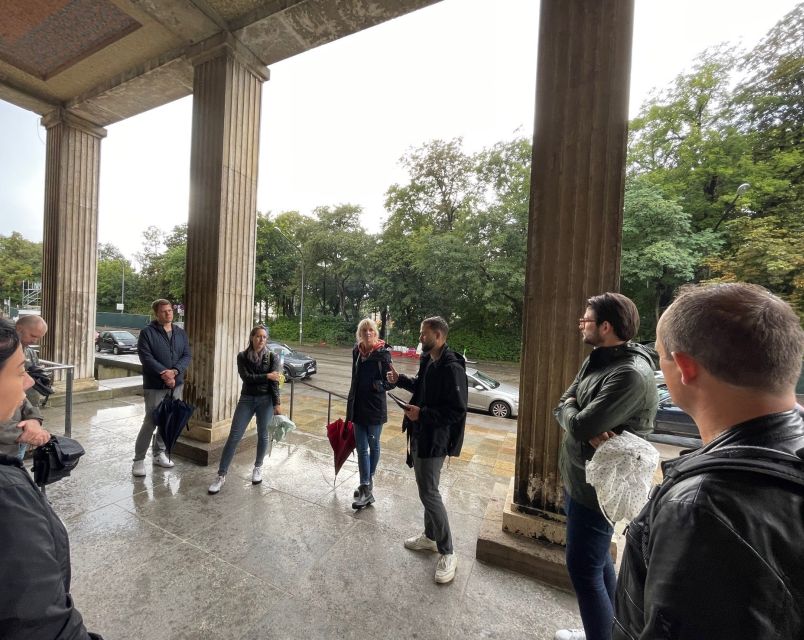
Alex is the reason this tour gets consistently strong ratings. He’s not just delivering a script. He’s invested in understanding. His goal is the big question: how could the rise of National Socialism happen at all, and how could an inhuman dictatorship destroy Europe within a few years?
That mindset shows up in the way he teaches. He guides you through events and connections, not just dates. He answers questions, and he builds in short pauses so the walk stays readable, not exhausting. One review notes that the tour even felt close to three hours and still didn’t feel too long, which tells you the pacing is doing real work.
Another thing I really like is how he handles the emotional weight. The tour is serious, but it doesn’t turn into a lecture that crushes the room. Alex’s approach keeps room for human reactions, including some humor when it fits. That doesn’t mean the topic gets soft. It means the guide understands how memory education works in real life: you need attention, not just intensity.
And yes, there’s an extra layer if you’re the type who likes to see beyond the obvious. At least one review mentions that Alex sometimes arranges access to areas that are otherwise not open to the public. That kind of detail can make the walking tour feel more like a guided key rather than a standard stroll.
A Chronological Route Through Speech, Parade, and Power
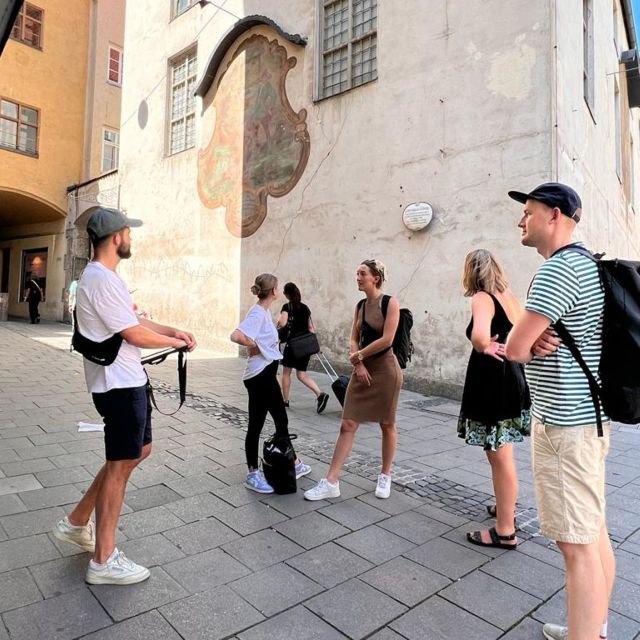
One of the most practical elements here is the tour’s structure. It runs chronologically to historical events. That matters because the rise of Hitler and the Nazis is not one moment. It’s a sequence. Munich helped accelerate that sequence through public visibility, organized rallies, and the way the city’s infrastructure and architecture supported the message.
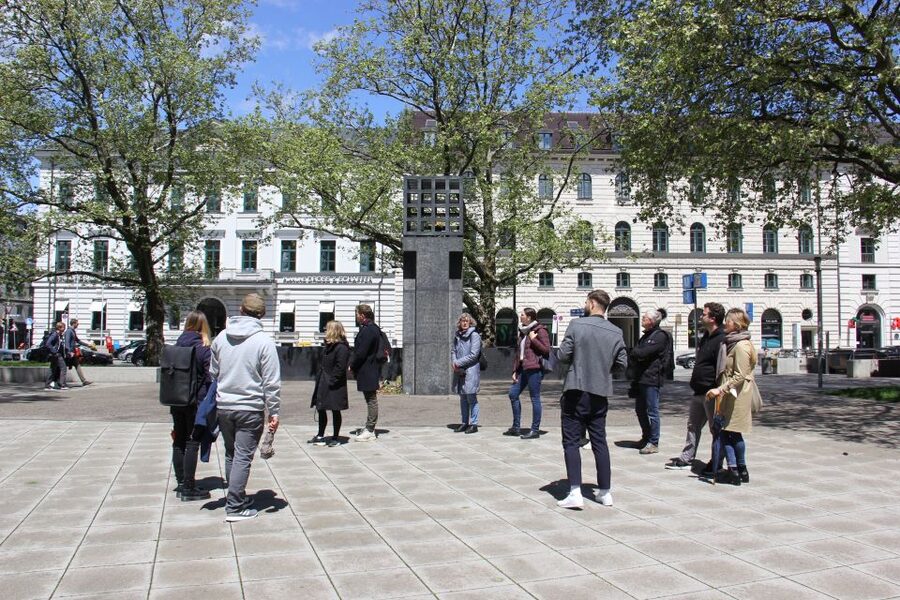
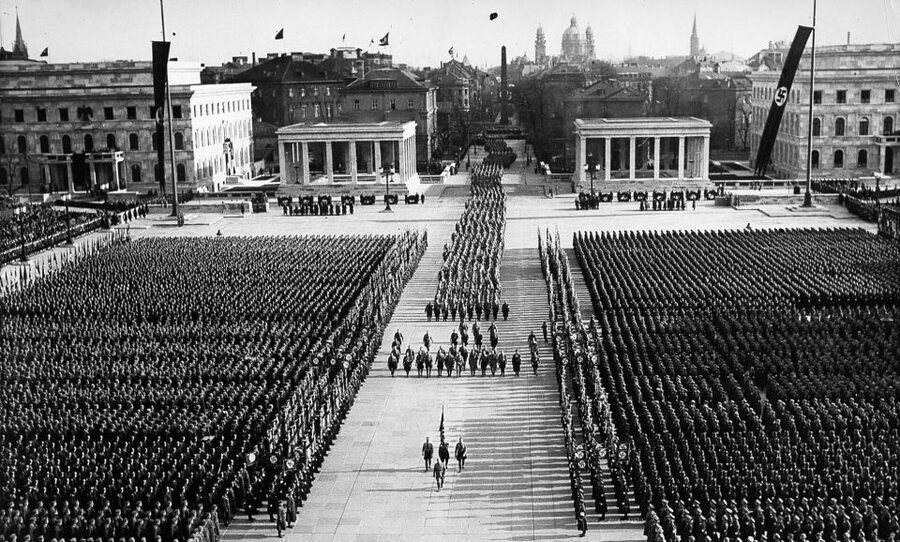
As you move through the tour, you’ll visit important squares and buildings connected to Nazi power. The tour points to places where Hitler held his first speech, where the Nazis celebrated parades, and where Munich endured the bombing war. Those aren’t just dramatic keywords. They’re the story beats that show you how politics became spectacle, and spectacle became something people were pulled into.
This is also where the tour’s “why Munich?” theme becomes useful. You’ll learn how Munich transformed from a cultural hub into the symbolic home base for the Nazi movement. And you’ll start to see how that shift wasn’t accidental. It came from choices, alliances, and an atmosphere that allowed extremist ideology to take hold.
If you’re not a history person, this tour still works because the timeline gives you handles. If you already know some basics, you may find it refreshing because the focus is geographic. You’ll connect the narrative to the actual city you’re standing in.
More history tours in Munich:
- Munich: Guided Tour of the historic Town Hall on Marienplatz
★ 4.8 · 63 reviews - Munich Craft Beer & Cultural Tour With Snack
★ 5.0 · 46 reviews - Munich History Tour: Private & Personalized with a Local Guide
★ 4.5 · 33 reviews - Munich and Nazi History Combination Day Tour Small Group
★ 5.0 · 31 reviews
Seeing Nazi-Era Architecture Still in Use by Modern Munich
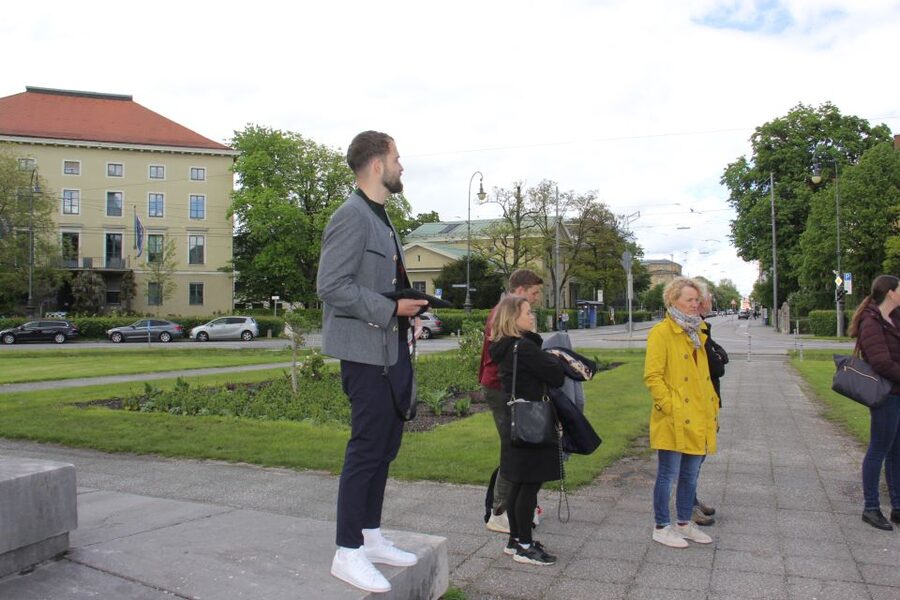
Some tours tell you what happened and move on. This one adds a harder task: it asks you to notice how Nazi-era propaganda buildings shaped Munich’s cityscape for decades. The tour explains that many of these propaganda buildings survived the war and still characterize parts of the city today.
That’s not a small detail. Architecture is a form of persuasion. When buildings from an oppressive movement remain standing, they become part of the visual environment. People see them without realizing what they mean. Your guide helps you read those facades like documents.
You’ll also focus on buildings and squares that were built by the National Socialists or misused as places of worship. That combination matters. Nazi ideology didn’t only spread through political speeches. It also tried to harness public symbolism, including religious spaces, to make the movement feel inevitable and morally authorized.
As you walk, keep one question in your head: how does a city design itself to send a message? The answer is often uncomfortable. That’s the value here. You’re not only learning about history, you’re learning how to spot the mechanisms that turn ideology into everyday life.
“Discover the Dark History” Without Becoming Lost in It
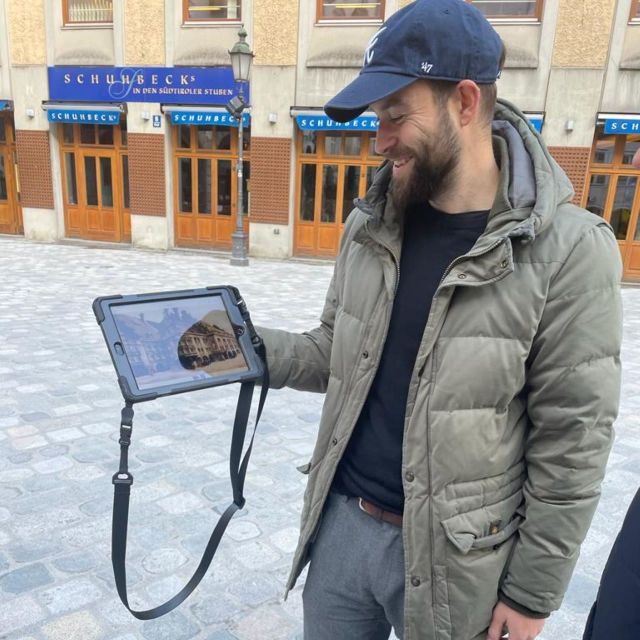
The tour’s promise is straightforward: discover the dark history of Munich. What you should understand going in is that this is not a ghost-story style walk. It’s more like a guided city reading. You’ll connect the “peaceful and openminded Munich” image to its historical reality, including the reasons Munich became a center for the Nazi movement.
The tour also stays approachable. Alex explicitly frames the tour as something anyone can join, young or old. You do not need to show up with a stack of German political history books. You just need curiosity and a willingness to ask questions.
Also, the guide’s local background helps with translation, not just language. Even though the tour is in German (so it’s best if you’re comfortable following it), the explanations are built for comprehension. You get more than names and headlines. You get context about what made events possible, and why Munich became “capital of the movement” in practice, not just in propaganda language.
Price and Value: What $30 Buys You in Real Time
At $30 per person for about 2.5 hours with a fully guided local experience, this isn’t priced like a museum lecture. You’re paying for something that’s usually hard to replicate on your own: a guided walk that links places to timeline and meaning.
That value is amplified by a few elements:
- You have Alex, a guide who has worked with the topic since youth and brings deep historical context.
- You get personal recommendations to explore Munich like a local, so the tour can connect to what you do next.
- The tour includes short pauses, which makes long city storytelling feel less like a marathon.
It’s also a good choice if your schedule is tight. Two and a half hours is enough time to make the story feel coherent, without leaving you mentally fried. Just be honest with yourself about one thing: if Nazi history makes you tense or overwhelmed, choose a time of day when you can handle a heavy mental load.
Practical Tips Before You Go (So You Enjoy It More)
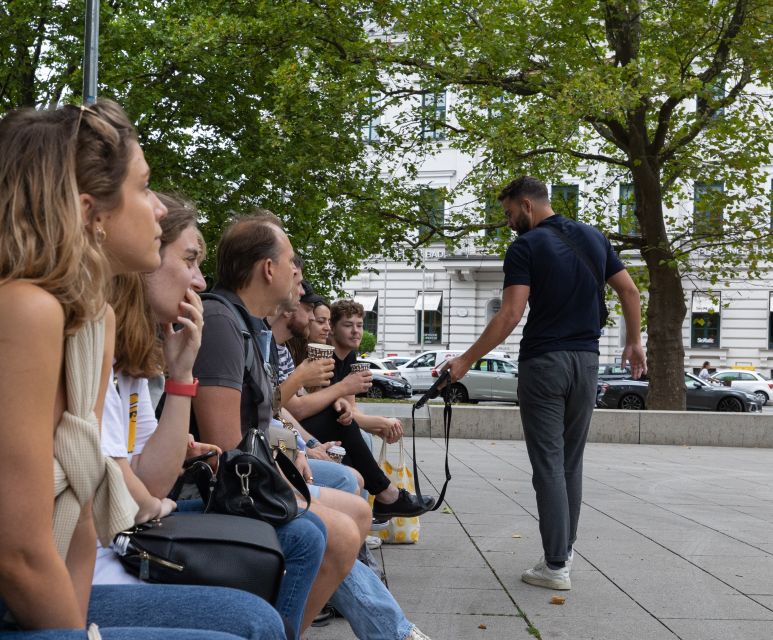
A few practical notes will help you get the best experience.
Wear comfortable shoes. This is a walking tour, and you’ll want to stay focused rather than irritated by blisters.
Go prepared for weather. The tour runs rain or shine. Munich weather changes fast, so pack what you need so you can keep listening.
Since the live guide language is German, consider your comfort level. If you speak basic German, you can still learn a lot from context and key themes, but the tour is designed for German-speaking participants.
If you like asking questions, bring that energy. Alex is set up to handle questions as part of the flow, and that usually turns a good tour into a great one.
Who This Tour Fits Best
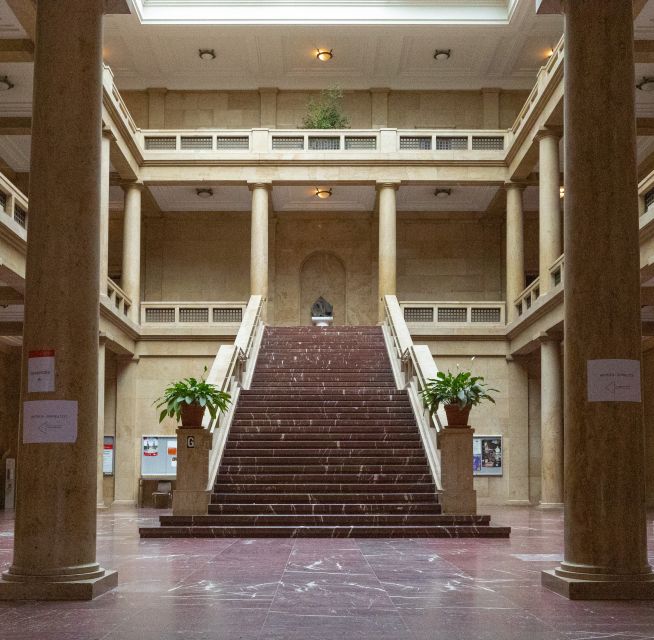
This tour is a strong fit if:
- You want a clear picture of how the Nazis gained momentum in Munich.
- You like seeing history in the real layout of a city, not only in books.
- You’re interested in how propaganda and architecture shape public life.
- You want a guide who can explain connections, not just recite facts.
It may be less ideal if:
- You’re looking for a light, casual city walk.
- You dislike serious historical topics.
- You cannot follow German at all, since the tour is in German.
Still, the ratings make the intent clear: Alex’s approach keeps the experience engaging and thoughtful, even when the material is dark.
Should You Book This Munich Hitler Rise Walking Tour?
I’d book this tour if you’re coming to Munich to understand the city, not just photograph it. The combination of Alex’s local perspective, the chronological storytelling, and the focus on surviving Nazi-era architecture makes it more than a checklist of sites.
Also, the price feels fair for what you get. You’re paying for guided meaning in a short window of time, plus local recommendations that can improve the rest of your trip.
If you decide to go, go with the right mindset. Treat it as a memory education walk. Stay curious. Ask questions. And give yourself time after the tour to reset, because the places you’ll see are not neutral. They’re reminders of how quickly society can be twisted when public space and ideology start working together.
FAQ
Where is the meeting point for the tour?
You meet your guide at Marienplatz, at the Marian Column, which is the large column with the small golden statue in the middle of the square.
How long is the Munich Historical Walking Tour?
The tour lasts 2.5 hours.
What language is the live guide speaking?
The live tour guide is German.
Is the tour wheelchair accessible?
Yes, the tour is listed as wheelchair accessible.
What should I bring?
Bring comfortable shoes, since it is a walking tour.
Does the tour run in bad weather?
Yes, it takes place rain or shine.
Recently added around Munich
- München: Vegetarische Viktualienmarkt-Probiertour Deutsch★ 4.8 · 6 reviews
- Private Transfer from Munich to Vienna with 2 hours for sightseeing★ 4.5 · 6 reviews
- Munich Walking Quiz: Explore and Discover the City’s Highlights★ 5.0 · 7 reviews
- Walking Tour on Resistance to Nazism in Munich★ 5.0 · 8 reviews
- 2 hour Sights Guided E-Scooter Tour in Munich★ 4.0 · 6 reviews
- Private Transfer from Munich to Salzburg with 2 hours for sightseeing★ 4.5 · 13 reviews
- From Munich: Neuschwanstein Castle and Linderhof Private Tour★ 5.0 · 13 reviews
- Paul’s Private Tour Munich Highlights★ 5.0 · 3 reviews
Third Reich & WWII Walking Tours, compared.

Birthplace of the Third Reich Guided Walking Tour
Read our review →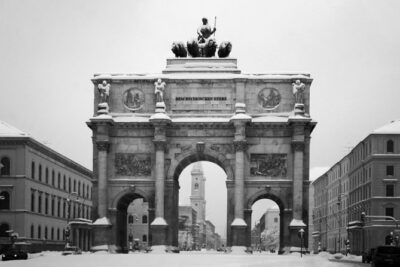
Munich World War II Sites Including Dachau Concentration Camp
Read our review →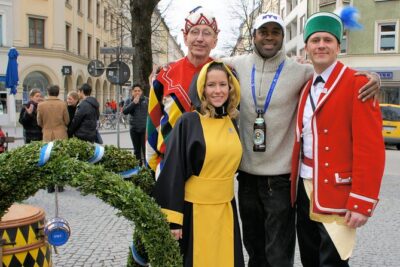
Munich City Walking Tour, includes Third Reich & Viktualienmarkt
Read our review →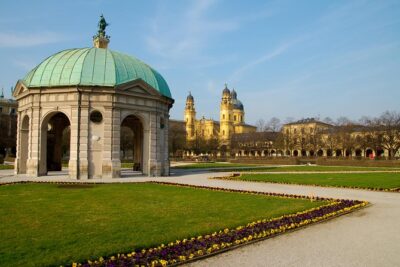
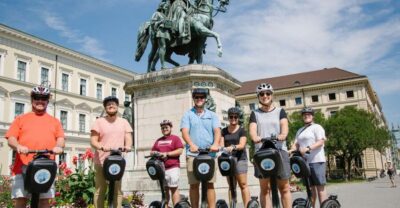
Munich 3-Hour Segway Tour: Nazi Munich & Royal Architecture
Read our review →
Dachau Concentration Camp Memorial Site And Third Reich Day Tour From Munich
Read our review →Browse the lists this tour appears in