Reviewed · THIRD REICH & WWII WALKING TOURS
Munich: Third Reich Guided City Walking Tour
Munich’s story in the years leading up to World War II is uncomfortable, but it is also very specific. This walking tour follows the trail in the real places where the Nazi movement took shape, tied to landmarks you can actually stand in front of in central Munich, including Haus der Kunst and Führerbau.
I especially like how the route is built around clear turning points, not random sightseeing. You’ll get a guided explanation of the political origins of Adolf Hitler, the Beer Hall Putsch, and the beginnings of the National Socialist German Workers’ Party, all in a way that stays focused even when the topic is heavy.
One thing to consider before you go: this tour is only open to people who speak Spanish. If that’s not you, you’ll need to choose a different tour that matches your language.
Key highlights you should know before you walk
- Marienplatz start point: you begin right at the Tourist Information Office so you can get oriented fast
- Hitler and the Nazi Party origins: your guide ties Munich locations to the movement’s early momentum
- Beer Hall Putsch at the Hofbräuhaus area: you’ll hear the story in the context of the place connected to it
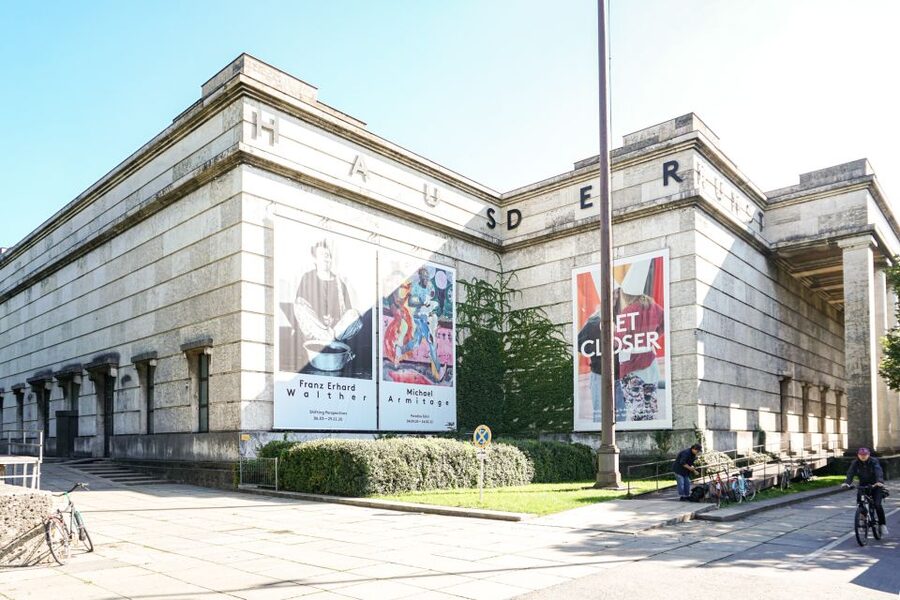
- Haus der Kunst and Nazi propaganda art: learn how the regime used art and the banning of degenerate art
- German Resistance stop-ins: the tour covers figures like Georg Elser and the White Rose
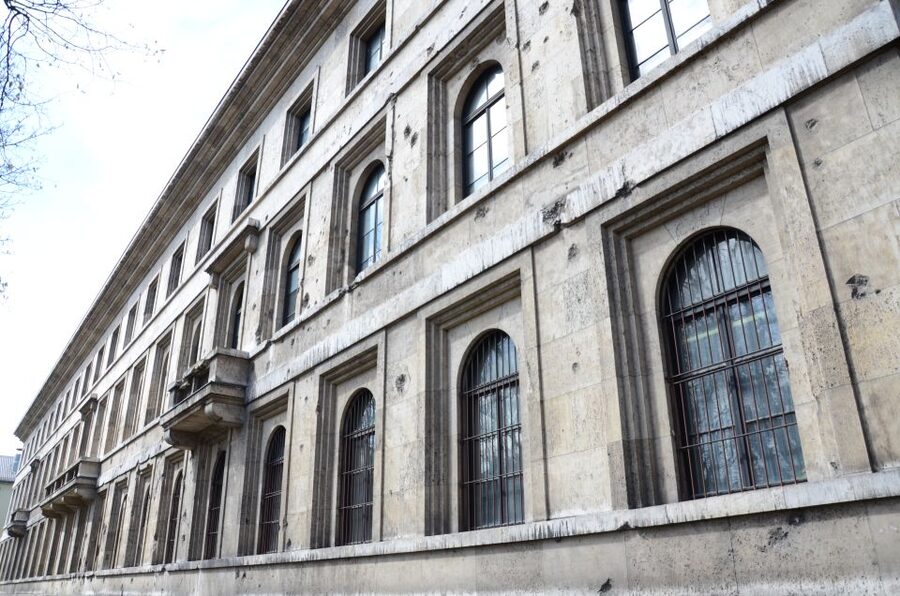
- Munich Agreement at Führerbau: you finish with the 1938 Munich Agreement before ending near Königsplatz
How the route stays understandable, even when the topic is hard
This is a guided, walking-focused tour, so the biggest value is not just the list of sites. It is the way your guide links events to exact addresses you can see. You start at Marienplatz, which is central and easy to find, and then you move step by step through the city’s Third Reich connections.
The tour also has a built-in “readability” because it follows major story beats. You begin with the political origins of Adolf Hitler and the early growth of the Nazi movement. Then you shift into the well-known flashpoint period of the Beer Hall Putsch. After that, you move into how the regime worked through propaganda, including what happened to art. Finally, you reach the German Resistance and end with the moment connected to the Munich Agreement.
That structure matters for me because it keeps the emotional weight from turning into confusion. You leave with a clearer sense of what happened when, and why these places were chosen for political theater.
Other Third Reich and WWII history walks in Munich:
- Munich: Third Reich & WWII Walking Tour
★ 4.6 · 6,181 reviews - Third Reich Walking Tour Munich
★ 4.5 · 4,291 reviews - Munich: Birthplace of the Third Reich Guided Walking Tour
★ 4.6 · 771 reviews
Starting at Marienplatz: getting your bearings
You meet your guide in front of the Tourist Information Office at Marienplatz. That is a smart start, because Marienplatz is the natural hub in Munich, and it also makes it easy to arrive a bit early, regroup, and make sure you are with the right group.
From that starting point, you walk through central Munich toward the sites tied to the Nazi movement. Since this tour runs about 2.5 hours, the pace is meant to be steady. Bring comfortable shoes, because you’ll be on foot for the full duration and you will want to spend time looking at what your guide points out.
If you like city walks where you learn as you go, this is the right format. You are not just taking photos, you are collecting context.
Following the political origins of Hitler, step by step
One of the tour’s central promises is tracing the political origins of Adolf Hitler and the Nazi movement in Munich. Your guide doesn’t treat it like abstract history. The story is mapped to landmarks along the way, so each stop has a job.
As you move through the route, the focus is on how a political movement builds power. The tour includes the beginnings of the National Socialist German Workers’ Party and the early dynamics that mattered in Munich. It is essentially political history told through geography.
I like this approach because it helps you avoid the common trap of learning names and dates without feeling the shape of events. Here, the “shape” is physical: you walk from one key event-related location to the next, so the city becomes the timeline.
Odeonsplatz and the story leading to the Hofbräuhaus connection
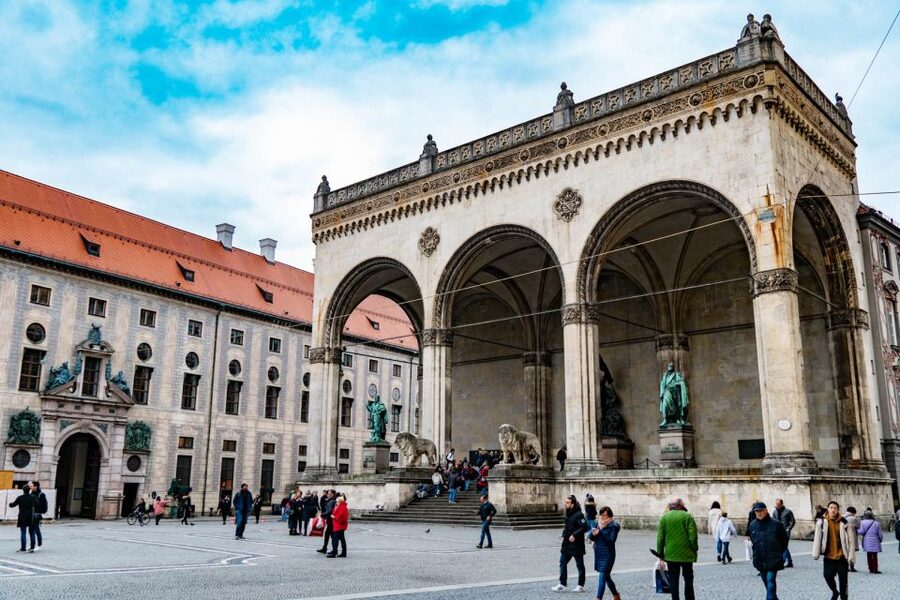
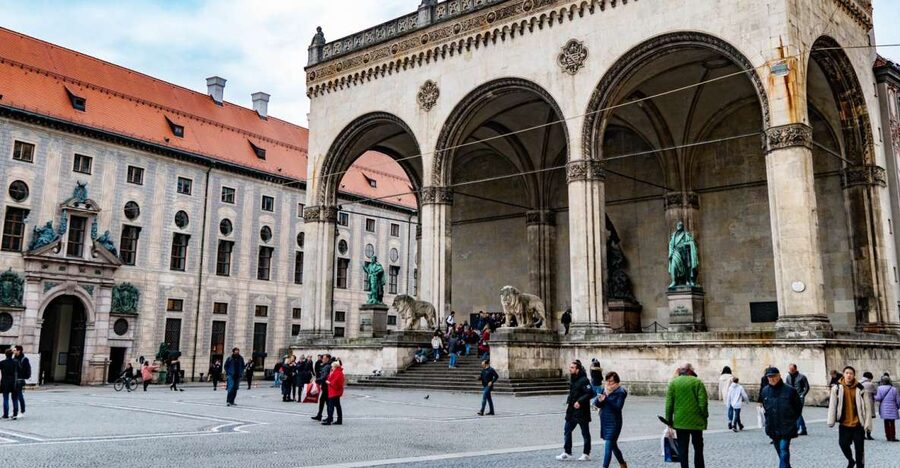
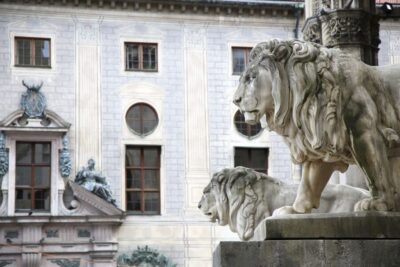
After starting at Marienplatz, you continue toward Odeonsplatz. This part of the walk is designed to lead you into the turning points your guide wants you to understand before you reach the beer hall area.
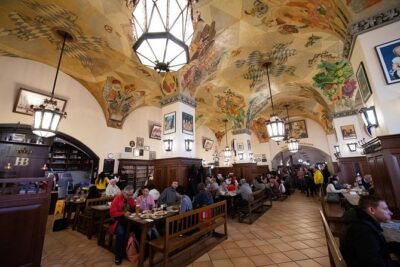
Then comes the key step: you make your way to Hofbräuhaus and learn the history connected to Hitler’s putsch and the origins of the National Socialist German Workers’ Party. The tour highlights the Beer Hall Putsch as a major storyline, and doing it at a location linked to that moment makes the explanation easier to follow.
This is also where you should mentally prepare for the topic to feel direct. The tour is not trying to soften the facts, and that can be a good thing if you want honest context. If you prefer history that stays purely academic, you might find the on-the-ground storytelling more intense than expected. If you want context that feels grounded in real places, it’s a strong fit.
Other reviewed options in Munich
- Munich: Old Town & Viktualienmarkt City Walk in German
★ 4.7 · 2,304 reviews - Munich: City Bus Tour & FC Bayern Munich Allianz Arena Tour
★ 4.5 · 2,071 reviews - Munich City Hop-on Hop-off Tour
★ 3.5 · 1,233 reviews - Munich: Classic Guided City Tour by Bike (English Tour Only)
★ 4.7 · 534 reviews
Haus der Kunst: propaganda, art control, and what it meant
Next you reach the front of Haus der Kunst, described on this tour as the first propaganda building in Nazi Germany. That label is more than trivia. It frames your stop: this is where the regime used architecture and institutions to signal what it wanted art to do.
Your guide also covers the influence of the regime on art and the banning of degenerate art. Those topics are important because they show the Nazi state wasn’t only about politics and policing. It also moved into culture and controlled what could be publicly valued.
I like that this part of the tour includes cultural policy, because it expands the story beyond speeches and street politics. It helps you understand how authoritarian movements try to shape everyday life, including what people see, buy, and consider acceptable.
Practical tip: at Haus der Kunst and the nearby viewpoints, take a minute before you move on. Listen first, then look. The visual details help the explanation stick.
German Resistance in Munich: Georg Elser and the White Rose
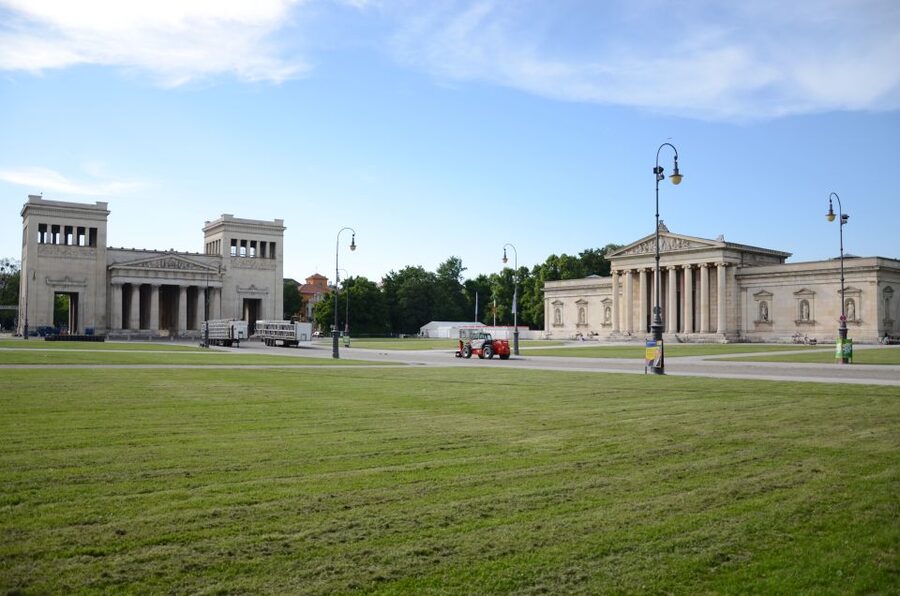
After the propaganda and control angle, the tour turns toward the German Resistance movement. This is one of the most valuable shifts in the whole experience, because it moves you away from only perpetrators and state power.
You will learn about protagonists such as Georg Elser and the White Rose. The guide uses these examples to show resistance as action, not just an idea. Even if you already know the names, hearing them placed into a walking route through Munich can change how you remember the material.
This portion can also help you balance the tour emotionally. It reminds you that opposition existed, and it gives you a more complete picture of the era.
If you are the type of person who likes learning history with both sides in mind, this is a strong section. If you are mainly interested in Nazi leadership and early party politics, you may still want to keep your attention here, because it adds meaning to what you learned earlier.
Führerbau and the 1938 Munich Agreement, before finishing at Königsplatz
The route then reaches Führerbau, highlighted as the place where the Munich Agreement was signed in 1938. This stop shifts the story from movement and takeover energy into diplomacy and political decisions tied to the lead-up period.
Your guide covers the connection between Munich as a political stage and what that stage produced in 1938. Even without turning this into a lecture on the full chain of events, the tour makes the key point: Munich was not just a backdrop. It was part of the machinery of history.
After that, you conclude at Königsplatz. Then the tour ends back at the meeting point, which is listed as returning to where you started near Marienplatz. That makes it easy to keep exploring on your own afterward without needing to plan extra transit.
Price and value: what $23 buys you in real time
The price is $23 per person for a 2.5-hour guided walking tour. That is relatively low for an organized live guide, especially one that includes multiple notable stops and a structured narrative.
Here’s the value logic I think matters most: you are not just paying for movement. You’re paying for interpretation. The tour is built around explaining the Third Reich period through key locations: Haus der Kunst for propaganda and art control, Hofbräuhaus for the putsch storyline, and Führerbau for the Munich Agreement.
Also, the tour includes a live guide and a walking format, which means you get back-and-forth interaction in the moment. Even if your group is quiet, the guide can adjust pacing and emphasis based on what people look curious about.
Two notes to keep it honest:
- It does not include food or drinks, so plan your timing and bring water if you need it.
- It’s Spanish only, so the “value” depends on whether you can follow and understand the guide comfortably.
Who this tour suits best in Munich
This is best for you if you want a guided, place-based history walk and you can do it in Spanish. It works well for adults who are curious about how political movements grew, how propaganda shaped public culture, and how resistance figures like Georg Elser and the White Rose fit into the broader picture.
It is also a good choice if you like clear routes with recognizable landmarks. The stops are all in central areas you can connect back to easily after the tour.
It is less ideal if you are bringing kids. Children under 13 are not allowed. And if Spanish is not your working language, you should skip it rather than struggle through key points.
Finally, consider the emotional tone. This is history about the Nazi movement and its impact. That can be tough, but it can also be meaningful if you want direct, grounded context.
Practical tips so the 2.5 hours feel worth it
Since the tour includes several stops and you’ll be walking between them, you can make your life easier with a few simple choices.
- Wear comfortable shoes. You are on your feet for the full 2.5 hours.
- Plan your arrival a few minutes early at Marienplatz. The start is in front of the Tourist Information Office.
- If you speak Spanish well enough to follow details, you’ll get more out of the explanations, especially in the art and resistance sections.
- Bring a small note-taking mindset. Even brief notes on the Beer Hall Putsch, degenerate art, Georg Elser, and the White Rose can help you connect the story beats later.
Should you book the Munich Third Reich Guided City Walking Tour?
Yes, you should book it if you want a focused, place-connected history walk in Munich that covers the Nazi movement, propaganda art, and German resistance, all in about 2.5 hours with a live guide.
I would not book it if Spanish is a barrier or if you want a lighter, purely sightseeing-style tour. This is structured storytelling tied to sensitive subject matter, and it expects you to engage.
If you do book it, you’ll likely appreciate the straight-to-the-point pacing and the fact that the tour is described as both well paced and packed with important historical information. That combination is what makes this one worth your time.
FAQ
How long is the Munich Third Reich Guided City Walking Tour?
It lasts about 2.5 hours.
Where do I meet the guide?
You meet your guide in front of the Tourist Information Office at Marienplatz.
Where does the tour end?
The tour ends back at the meeting point.
How much does the tour cost?
The price is $23 per person.
What language is the tour in?
The live tour guide speaks Spanish.
Is this tour open to children?
No. Children under age 13 are not allowed.
Does the tour include food and drinks?
No. Food and drinks are not included.
Is there a minimum number of participants?
Yes. The tour requires a minimum of four participants to operate.
What should I bring?
Wear comfortable shoes for walking.
Is there free cancellation?
Yes. You can cancel up to 24 hours in advance for a full refund. You can also reserve now and pay later.
Recently added around Munich
- München: Vegetarische Viktualienmarkt-Probiertour Deutsch★ 4.8 · 6 reviews
- Private Transfer from Munich to Vienna with 2 hours for sightseeing★ 4.5 · 6 reviews
- Munich Walking Quiz: Explore and Discover the City’s Highlights★ 5.0 · 7 reviews
- Walking Tour on Resistance to Nazism in Munich★ 5.0 · 8 reviews
- 2 hour Sights Guided E-Scooter Tour in Munich★ 4.0 · 6 reviews
- Private Transfer from Munich to Salzburg with 2 hours for sightseeing★ 4.5 · 13 reviews
- From Munich: Neuschwanstein Castle and Linderhof Private Tour★ 5.0 · 13 reviews
- Paul’s Private Tour Munich Highlights★ 5.0 · 3 reviews
Third Reich & WWII Walking Tours, compared.

Birthplace of the Third Reich Guided Walking Tour
Read our review →
Munich World War II Sites Including Dachau Concentration Camp
Read our review →
Munich City Walking Tour, includes Third Reich & Viktualienmarkt
Read our review →
Munich 3-Hour Segway Tour: Nazi Munich & Royal Architecture
Read our review →
Dachau Concentration Camp Memorial Site And Third Reich Day Tour From Munich
Read our review →Browse the lists this tour appears in