Reviewed · GUIDED
Munich’s Hidden Architecture Guided Tour
Munich’s winter evenings have a special pull, but this tour makes them feel like a local route, not a checklist. You’ll walk the south side, along the Isar, with the story of the iconic Alte Utting boat on a bridge guiding the vibe. The stops mix design, everyday life, and that festive energy you only get when you’re not stuck in the center.
I especially like how the guide links small architectural choices to big city themes. You’ll also spend time in places that feel creative and slightly off script, including street art zones and cultural corners made from shipping containers and wood.
One caution: this is a winter walking tour, and it is not set up for wheelchair users or people with mobility impairments. Bring warm layers and plan for steady walking on uneven city surfaces.
Key things I’d circle before you book
- Philipp’s architect-style storytelling turns streets into readable design lessons
- Giesing focus gives you a different Munich than the tourist core
- Isar River night views plus iconic water-and-bridge moments
- Three alternative Christmas markets instead of only the most obvious ones
- A route with history in layers covering 700+ years
- English or German live guide with private group availability
Munich’s hidden south feels different in winter
Winter in Munich can be either charming or crowded, depending on where you point your feet. This tour targets the quieter, southern side where neighborhoods feel more lived in and less staged. Instead of just passing landmarks, you slow down enough to notice how the city is built, remade, and reused over centuries.
The route is designed around contrasts. You get festive market stops, yes, but you also get architecture details and street-level culture. In other words, you don’t have to choose between holiday fun and a serious look at the city. And since the tour runs with night views, the Isar and bridge moments land with extra atmosphere.
I also like the balance of the focus. It is not only buildings, and it is not only shopping. The guide connects the places you see to how Munich grew, where community life happens, and why specific corners matter. If you enjoy walking and you like your Christmas markets with a side of design and local texture, this fits.
Other reviewed options in Munich
- Munich 3-Hour Guided Bike Tour
★ 4.5 · 1,731 reviews - Munich’s Beer Halls and Breweries: 3-Hour Guided Tour
★ 4.6 · 928 reviews - Guided Dachau Concentration Camp Memorial Site Tour with Train from Munich
★ 5.0 · 920 reviews
Start at Piazza Zenetti, and spot your guide fast
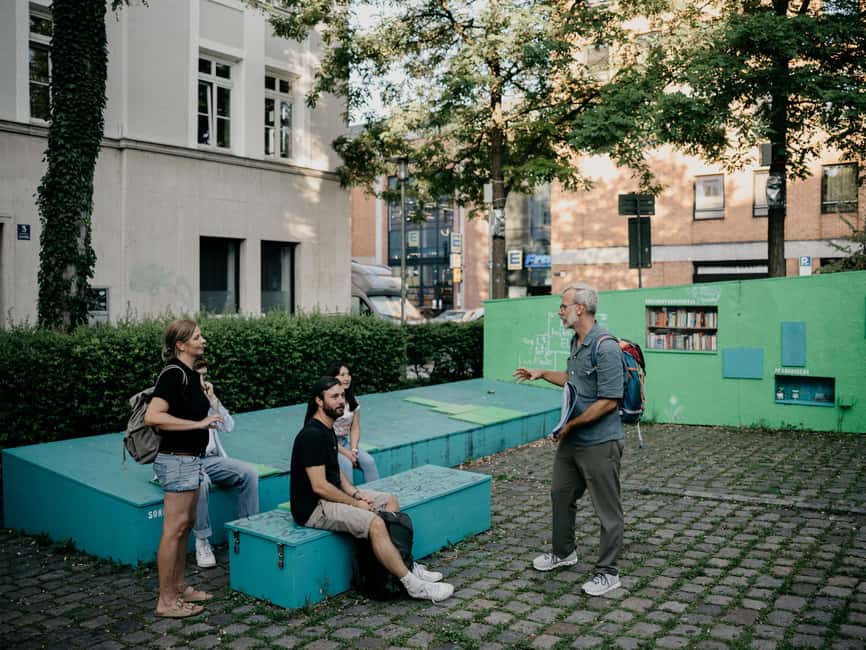
You meet at Piazza Zenetti, at the intersection of Tumblingerstrasse and Zenettistrasse. The easiest visual clue is the turquoise and green outdoor furniture plus small trees in boxes. If you’re the type who likes to feel organized before a tour begins, arrive a few minutes early and do a quick scan.
Look for the guide with a colorful backpack holding a blue folder. That simple detail saves time when you are cold and trying to figure out where everyone else is gathering.
Getting there is straightforward. The best subway option is U3/U6 at Goetheplatz, then walk about 10 minutes to Zenettiplatz. From there, you’re right at the start.
The tour ends back at the meeting point, which is handy if you want to keep exploring on your own after the 2-hour walk. Just note you should bring comfortable shoes and warm clothing. Winter Munich makes good footwear a bigger deal than you think.
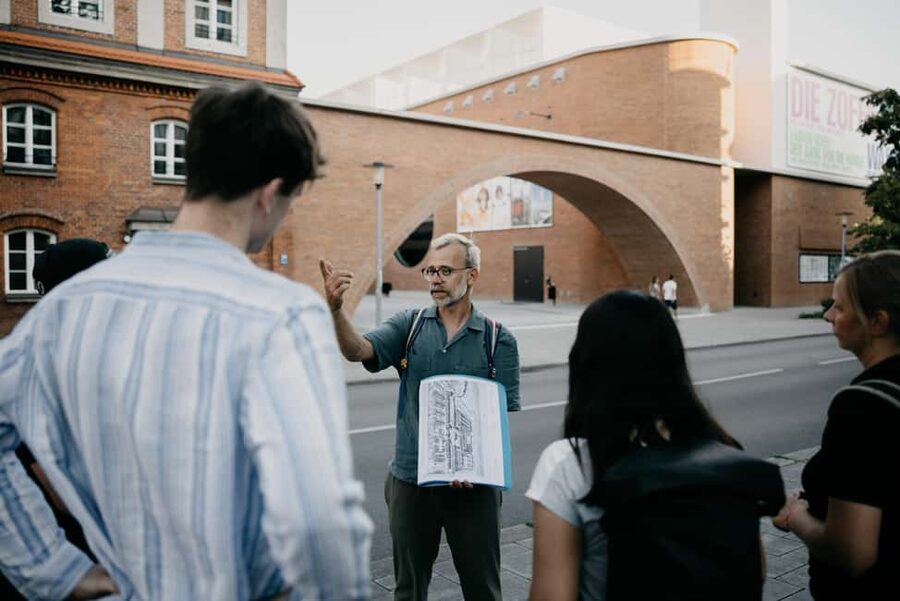
Münchner Volkstheater and Bahnwärter Thiel: architecture with a storyline
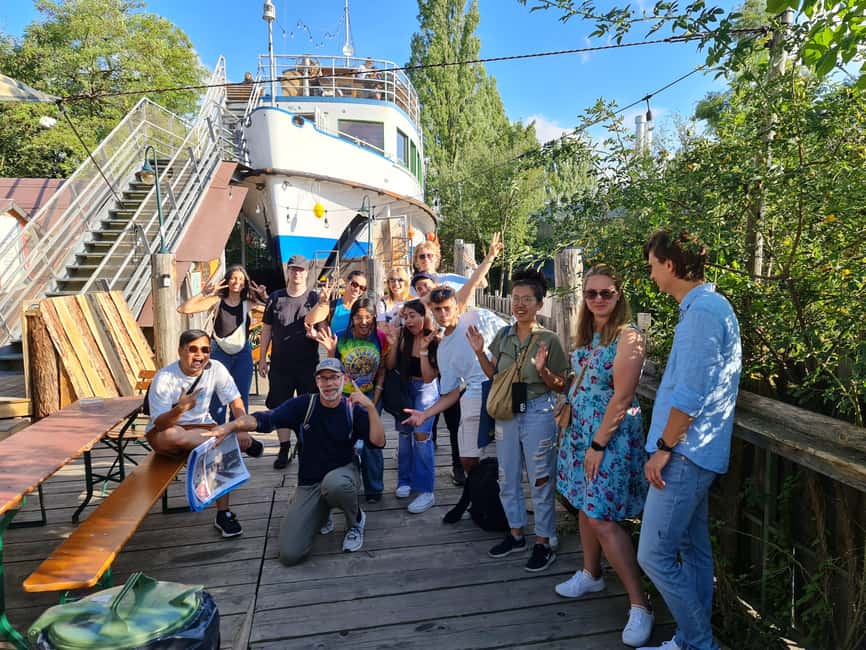
The first real city-culture stop is the Münchner Volkstheater. Even if you do not care about plays, this is the kind of building where the setting tells you something about Munich. A theater is a statement. It shows what a city invests in, and it often shapes how people move around it.
From there, you head to Bahnwärter Thiel, another guided stop where the point is to train your eyes. You’ll spend time looking at how the area is composed and why certain design choices feel the way they do. The best thing about this part of the tour is that it does not treat architecture like a frozen object. You learn to connect it to the neighborhood fabric around it.
If you like art and design, this is where the tour starts to feel personal. The guide, Philipp, has a professional architect background, and the way he speaks tends to focus on small cues, not big vague summaries. You end up noticing details you would normally walk past, like how structures frame streets and how public spaces invite people to linger.
A small consideration: this section still happens in real winter conditions. If you pause often to look up at facades, you’ll want layers you can adjust.
The Alte Utting on the bridge: the Isar moment you’ll remember
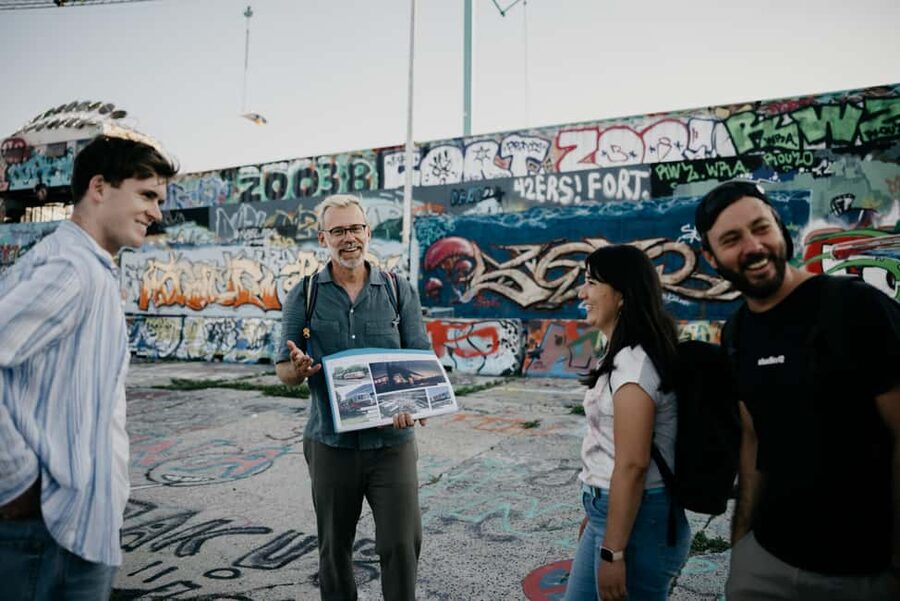
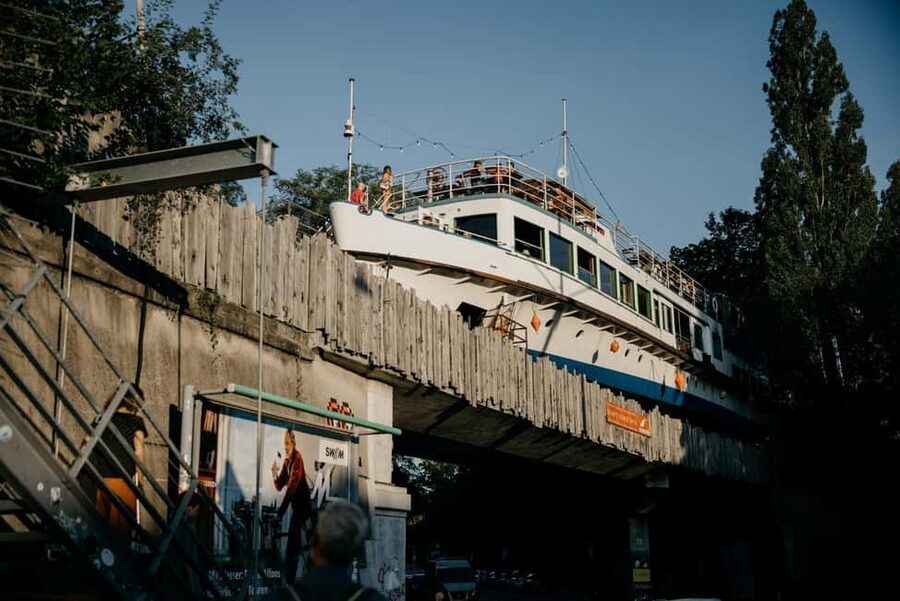
The tour’s iconic headline is the stop for MS Utting on the bridge at Lagerhausstrasse. This is the famous Alte Utting, the one The New York Times pointed to with the line about Munich getting cool, look for the boat on the bridge.
Why is this stop such a big deal? Because it forces you to see Munich as a city that uses water and infrastructure creatively. Bridges and boats are usually just features, but here they become symbols of the city’s style and its sense of playful identity. It also gives you the strongest night-view payoff of the route.
After this, the walking route keeps you close to the Isar and the feeling of being near water. Even when you are only looking for a couple of minutes, night light changes everything. Reflections on the river, the angles of railings and bridge lines, and the way streets open toward the water all combine into a scene that feels more cinematic than typical city sightseeing.
I also like that this moment is not only photo focused. The guide frames what you’re seeing in terms of how Munich uses space, how neighborhoods connect, and why some areas stay authentic while others become too polished.
If you’re bringing a camera, do it. If you’re not, at least take a minute with your eyes first, then shoot. The contrast between the bridge structure and the waterline is the whole point.
Also reviewed in and around Munich:
- From Munich: Neuschwanstein & Linderhof Castle Full-Day Trip
★ 4.5 · 12,494 reviews - Neuschwanstein & Linderhof Castle-Fairytale Day Tour from Munich
★ 4.5 · 7,275 reviews - Munich: Third Reich & WWII Walking Tour
★ 4.6 · 6,181 reviews - Dachau Concentration Camp Memorial Site Tour from Munich by Train
★ 4.5 · 5,637 reviews
Dreimühlenstraße and Wittelsbacherbrücke: switching viewpoints on foot

Next up is Dreimühlenstraße, followed by a guided stop at Wittelsbacherbrücke. These segments are about perspective. Munich is a city where small shifts in elevation and sightlines change your understanding fast, especially by a river.
On this stretch, you start to connect the dots between street-level life and the larger city plan. Dreimühlenstraße gives you a more grounded feel, like you’re in the middle of real neighborhood movement rather than a curated tourist corridor. Then Wittelsbacherbrücke helps you read the wider view, including how the Isar corridor organizes the area.
This part is also where you feel the tour pacing as an actual walk, not a series of quick photo stops. You’re encouraged to slow down, take in angles, and let the architecture and urban planning show you their logic.
A practical tip: in winter, bridges can feel colder than nearby streets because wind finds you faster. If you get chilly quickly, keep a hat or hood handy. You’ll thank yourself when the route brings you back outside.
Claude-Lorrain-Straße and Little Venice: a water name with real character
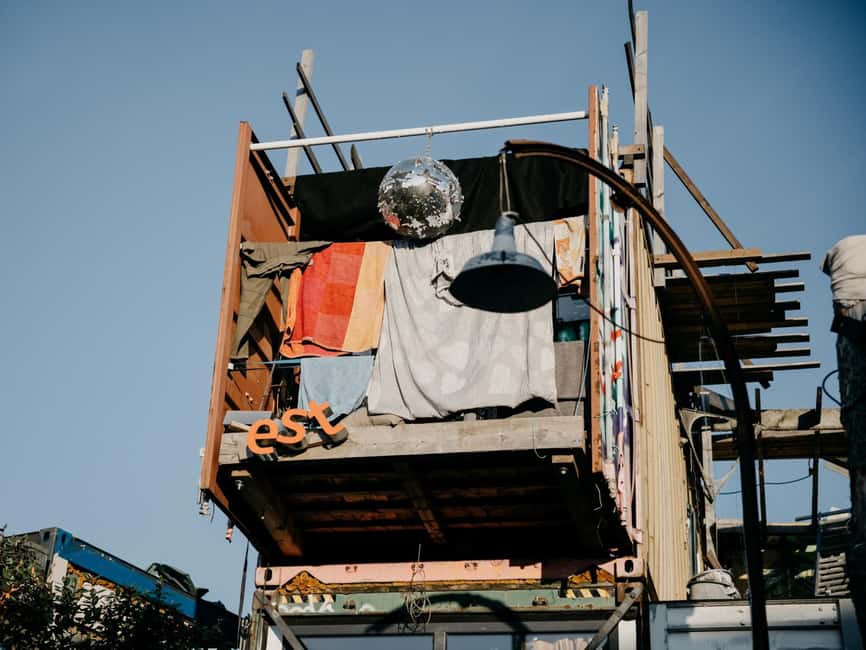
One of the fun turns on this route is Claude-Lorrain-Straße, then Little Venice. The name alone is enough to pique curiosity, but the experience is really about why people give places poetic labels in the first place.
In this part of the tour, you see how water shapes everyday space. Little Venice is a nickname that hints at atmosphere, not just geography. What you’re looking for is the way the area feels human at walking distance, not the way it looks from a distance.
The guide helps you notice the connection between the river setting and the architecture choices around it. You start to understand the city’s “hidden south” identity as more than marketing. It’s a different pattern of streets, a different relationship to water, and a neighborhood rhythm that feels less like a theme park.
You’ll also be in the right mood for the Christmas market portion that comes later. Places near water often have a way of making winter feel softer. You’ll likely want to stop longer than planned to watch the river reflections and the holiday lights.
Christmas markets and three market stops: how to enjoy them without rushing
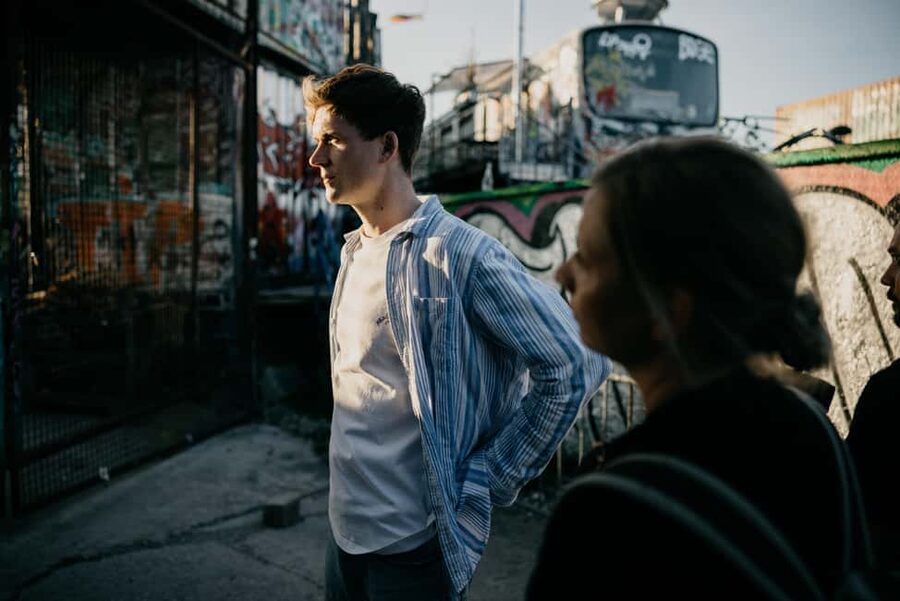
A big part of the experience is the alternative Christmas markets. The tour includes visits to three market areas, and it’s designed so you’re walking through winter atmosphere at a human pace.
Because food and drinks are not included, I recommend you treat the markets like a choose-your-own-snack plan. Buy something small at one stop, something different at another, and save one later if you find a drink or dessert you really want. That strategy keeps the tour enjoyable instead of turning it into a line-and-wait exercise.
Also, do not expect the markets to be identical. The point here is variety, not sameness. You’ll see a Munich side that feels less like the busiest, most famous spots and more like seasonal culture inside working neighborhoods.
One smart move: wear a winter layer that lets you step in and out of warm market areas without getting sweaty. Wool coat plus thick scarf is usually perfect. If you bring gloves, keep them accessible. Tiny moments like unwrapping a drink become annoying when your hands are cold.
And remember, smoking is not allowed during the tour.
Price, pacing, and who should do this
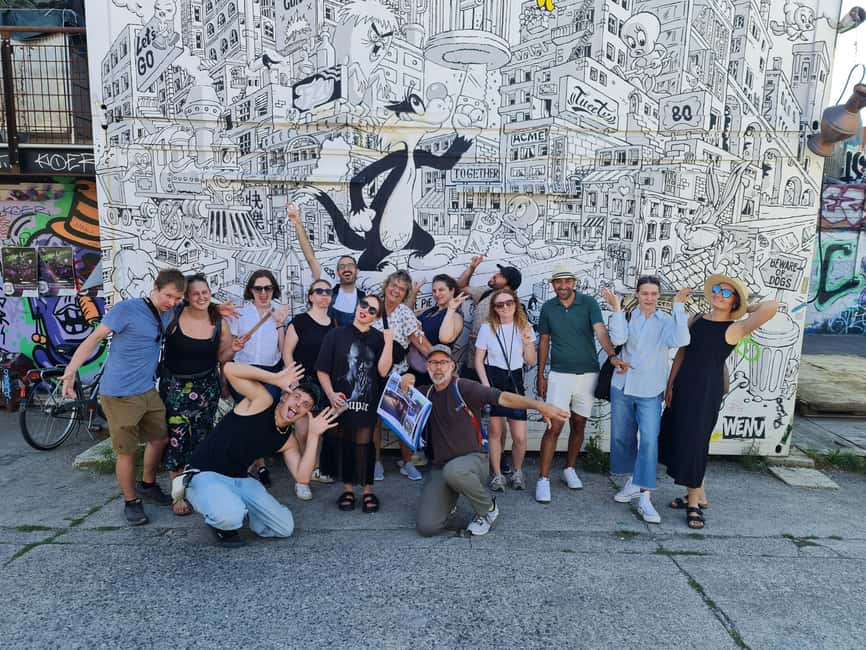
The price is $36 per person for a 2-hour guided walk. For Munich, that is strong value if you care about more than standard sightseeing. You get expert narration from Philipp, a route that mixes architecture, street culture, and river views, plus market time at three different stops. You also do not pay extra for guide-led instruction on each location, which is often where walking tours can quietly add cost.
Because transportation to and from the meeting point is not included, you’ll want to plan your own transit. The good news is the meeting point is easy to reach from U3/U6 at Goetheplatz.
Who this tour fits best:
- You like design and want explanations that connect buildings to neighborhood life
- You want Christmas markets but you do not want only the obvious ones
- You enjoy walking and you’re comfortable on winter streets
Who should think twice:
- If you need wheelchair access or have mobility limitations, this one is not suitable
- If you tire easily with cold and wind, you may prefer a shorter or less outdoors-heavy option
- If you are not comfortable moving for a full 2 hours, plan extra time for breaks on your own
If you want flexibility, the booking system supports reserve now, pay later, and you can cancel up to 24 hours in advance for a full refund. That makes it easier to commit even if weather is uncertain.
Should you book this Munich hidden architecture tour?
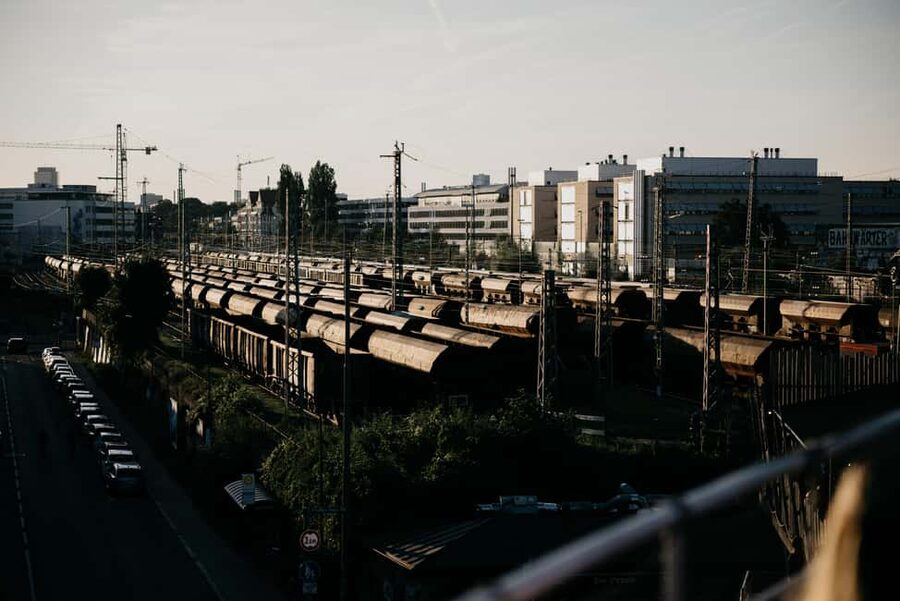
Book it if you want a Munich winter experience that feels local and design-minded at the same time. The route is built around meaningful stops, especially the Isar and Alte Utting boat on the bridge, and it pairs those visuals with three alternative Christmas markets you can actually enjoy.
Skip it if you cannot handle a winter walking schedule, or if mobility needs make outdoor walking unrealistic. This is a sensory walk through architecture, culture, and festive neighborhoods, not a sit-down tour.
If your style is city-watching with purpose, grab a spot. You’ll leave with a better sense of how Munich’s south works, and you’ll probably look at bridges and river corners differently afterward.
FAQ
How long is Munich’s Hidden Architecture Guided Tour?
The tour lasts 2 hours. Starting times vary, so you should check availability for the schedule.
Where does the tour meet?
You meet at Piazza Zenetti, at the street intersection of Tumblingerstrasse and Zenettistrasse. The guide will be wearing a colorful backpack holding a blue folder, near turquoise and green outdoor furniture and small trees in boxes.
What subway stop is closest?
The best option is to get off at the U3/U6 station Goetheplatz, then walk about 10 minutes to Zenettiplatz.
What is included in the price?
The tour includes a guided walk focused on Munich’s hidden district in the south, guided visits related to the route, and three alternative Christmas markets. You also get the chance to see the city and the Isar river by night.
Is it suitable for wheelchair users?
No. The activity is listed as not suitable for wheelchair users and not suitable for people with mobility impairments.
Are there food, drinks, and transportation included?
Food and drinks are not included, and transportation to and from the meeting point is also not included. You’ll want to plan your own snacks or drinks at the markets.
Recently added around Munich
- München: Vegetarische Viktualienmarkt-Probiertour Deutsch★ 4.8 · 6 reviews
- Private Transfer from Munich to Vienna with 2 hours for sightseeing★ 4.5 · 6 reviews
- Munich Walking Quiz: Explore and Discover the City’s Highlights★ 5.0 · 7 reviews
- Walking Tour on Resistance to Nazism in Munich★ 5.0 · 8 reviews
- 2 hour Sights Guided E-Scooter Tour in Munich★ 4.0 · 6 reviews
- Private Transfer from Munich to Salzburg with 2 hours for sightseeing★ 4.5 · 13 reviews
- From Munich: Neuschwanstein Castle and Linderhof Private Tour★ 5.0 · 13 reviews
- Ten Munich Old town Sights in a Private Express Walking Tour★ 5.0 · 9 reviews
Guided, compared.
Munich’s Beer Halls and Breweries: 3-Hour Guided Tour
Read our review →
Guided Dachau Concentration Camp Memorial Site Tour with Train from Munich
Read our review →
Birthplace of the Third Reich Guided Walking Tour
Read our review →
Classic Guided City Tour by Bike (English Tour Only)
Read our review →
Neuschwanstein Castle Entry Ticket and Audio Guide
Read our review →