Reviewed · GUIDED
Oberammergau Private Guided Walking Tour
Oberammergau is interesting because it somehow mixes old-world faith with very human storytelling, painted and carved right into the town. On this private guided walking tour, you get a clear thread from the Passion Play tradition to the real events and local crafts that shaped the village. I love how the guide connects the sacred with the everyday, and I love that the walking format keeps everything grounded in streets and facades, not big lecture halls.
One possible drawback is the 90 minutes. It is a lot to pack in, so if you want long photo breaks, shop time, or extra time at a specific spot, you will likely need to come back on your own. I also suggest thinking ahead about what you want most, since the best tours feel guided by your priorities through customizing on the spot.
Key Things I’d Prioritize on This Oberammergau Tour
- Passion Play origins tied to local history, including the story shaped by plague and war
- Märchenhäuser (fairy-tale houses) that connect local lore to the Brothers Grimm
- Wood carving as a pilgrimage-era industry, with markets and routes helping spread the craft
- Monastery roots linked to Ettal, explaining why the town mattered to religious travel
- WWII references in everyday places, including Wehrmacht headquarters and a Messerschmitt factory
- Private pacing and personal storytelling, with guides known for making small groups feel seen (one example: Ekaterina leading a group of four)
Why Oberammergau Feels Like Sacred and Street-Level Storytelling
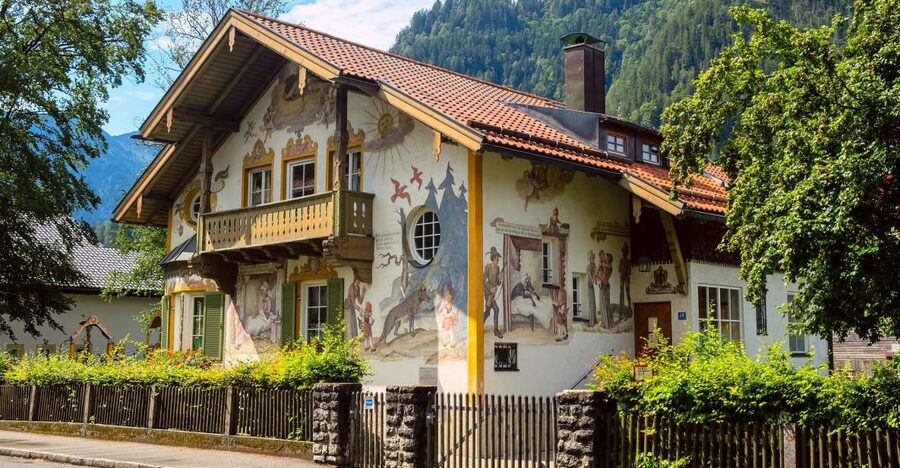
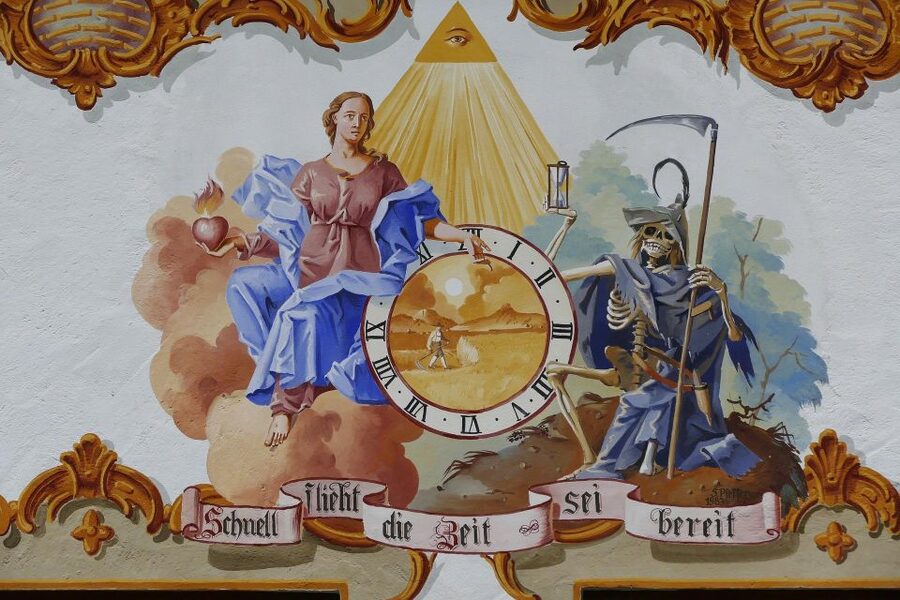
Oberammergau has a rare skill. It can talk about Christ’s Passion and still feel like a working village where people once carved, painted, traded, and traveled for practical reasons. That is the magic you are chasing on a walking tour here, because the village history is visible in the town itself: frescoes on houses, carved wood details, and the distinctive Märchenhäuser references that nod to the fairy-tale tradition of early 19th-century Germany.
The village also has a strong sense of place. Oberammergau sits in the Ammer valley, and even the name points to the river Ammer that crosses the village. The story goes deeper than the postcard version. The area’s roots are said to date to the late Bronze Age, and the Oberammergau as you know it today began with a small monastery in the 9th century. When your guide stitches those timelines together, the town stops feeling like a stop on a route and starts feeling like a place with logic.
This tour is especially good if you like history that explains why something exists now. You do not just get told that the Passion Play is famous. You learn how the village became known for representing the last days of Christ, and how exclusivity around the cast developed within the tradition. It also helps that the guide handles both the sacred side and the more human sides, including how markets and craftsmanship spread through pilgrimage traffic.
More walking tours in Munich:
- Munich: Third Reich & WWII Walking Tour
★ 4.6 · 6,181 reviews - Third Reich Walking Tour Munich
★ 4.5 · 4,291 reviews - Munich: Old Town & Viktualienmarkt City Walk in German
★ 4.7 · 2,304 reviews
The 90-Minute Structure, Pace, and Where You Start
You meet in front of the tourist office at Eugen-Papst-Straße 9A, 82487 Oberammergau, Germany. From there, you walk as a private group with a local professional guide who stays with your group only. The tour is 90 minutes, English and German, with your starting time dependent on availability.
Here is the practical reality: 90 minutes is enough time to learn the main story and see key visual cues around town, but it is not enough time to wander for long stretches on your own. So I like this format for visitors who want orientation and context fast. If you are the kind of traveler who hates feeling lost, this is a good fit. If you want a slow “sit and absorb” experience, you might prefer a longer independent stroll after.
Group size matters too. The price is per group up to 15 people, which is unusual because a lot of “private” tours are smaller. In practice, that means you may still get a friendly, conversational feel, but you should expect the guide to keep things moving. For best results, come with at least one question in mind. When a guide has your interests flagged, you get better tailoring on the spot.
Tip: wear comfortable walking shoes. You are walking through town, and the value is in connecting what you see to what you hear, not in speed-reading the street signs.
Märchenhäuser and Fairy-Tale Details You Can Actually Spot
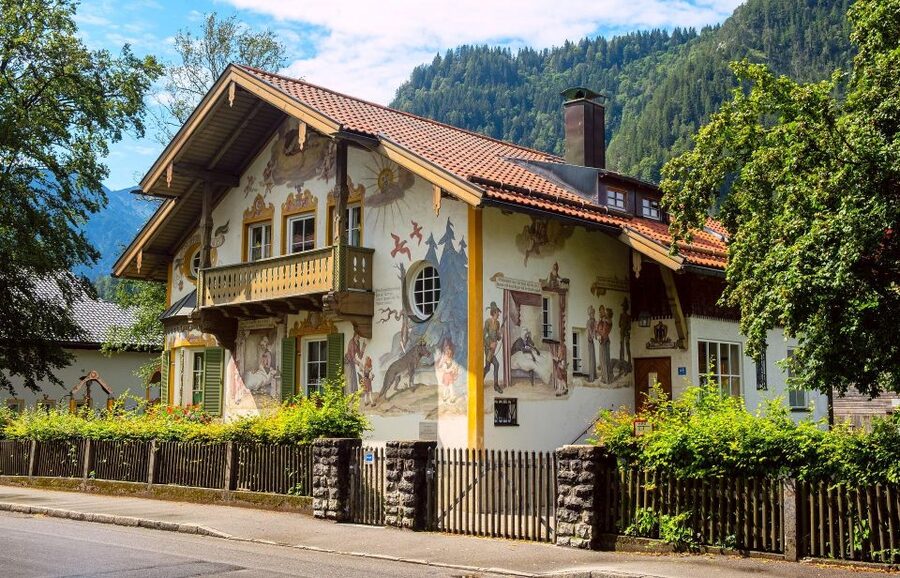
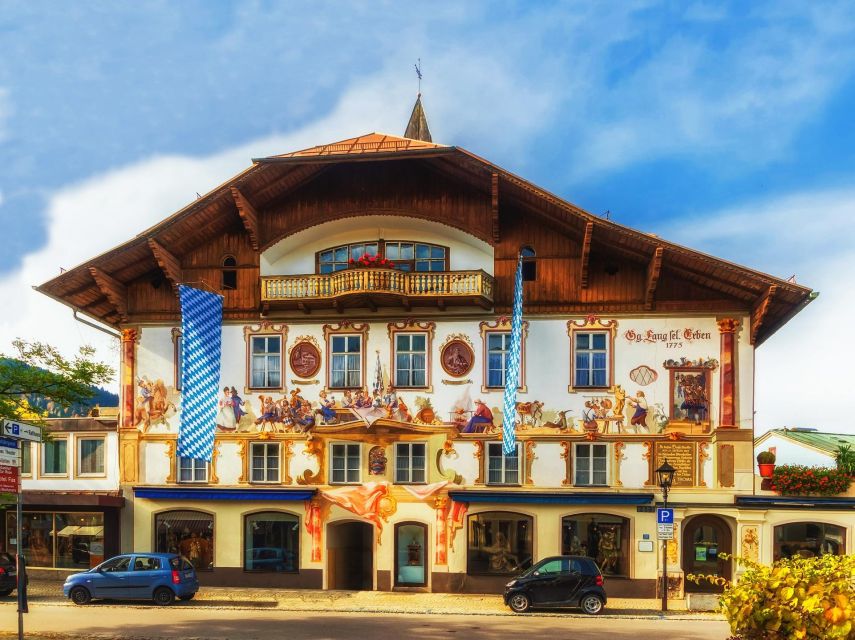
One of the most fun things about Oberammergau is that fairy tales are not locked away. They show up as references in the town’s Märchenhäuser, which are tied to the fairy tales gathered by the Brothers Grimm from old oral German folklore in the early 19th century. On this tour, your guide helps you notice what those references look like and why they matter in a village where religious themes are equally prominent.
When you understand Märchenhäuser in context, the town stops being only about devotion. You start seeing a second layer: storytelling as culture. Fairy tales are a way people pass along values, fears, humor, and survival lessons without needing formal schooling. In a place like Oberammergau, where pilgrims once traveled through and townsfolk built industries around visitors, it makes sense that storytelling would become part of the town’s visual identity.
What I like about this stop on the walk is that it teaches you how to read the town. Instead of only hearing about history, you learn to recognize symbols and references while you are still there, looking at them. That makes your photos more meaningful too. You are no longer just taking pictures of pretty facades, you are capturing a place with layered meaning.
Keep in mind: Märchenhäuser details can be small and easy to miss if you are rushing. This is one of the reasons a guide helps. You do not need to know anything before you go. You just need to slow down enough to watch for what the guide points out.
Ettal Monastery Roots, Pilgrims, and How Wood Carving Became an Industry
Oberammergau’s story runs on connections, and one of the biggest is its early roots as a monastery linked to Ettal. From there, the tour builds to something that feels very real: the village as a stopping place for pilgrims en route to Rome. That geographic positioning between Germany and Italy mattered. Pilgrims needed places to rest, trade, and spend money along the way, and those practical needs often shape art and craftsmanship.
This is where the wood carving tradition becomes more than a craft you admire. You learn how pilgrimage routes and markets helped spread wood carving. The focus is on the village becoming a fulcrum point in wood carving art from the 14th century onwards. In other words, Oberammergau was not just producing religious art in isolation. It was part of a larger movement of travel, demand, and skill sharing across regions.
When your guide connects the dots this way, you start understanding why you see so much carved wood identity in town. It is not random decoration. It is an economy of making, shaped by visitors and by the reputation of quality. And once a town becomes known for craftsmanship, that reputation becomes self-reinforcing. People come, they buy, they talk, and the story spreads.
If you are into practical travel history, this is one of the best parts of the tour. It turns a “what am I looking at” question into an “oh, that makes sense” moment. You also get a sense of how monasteries and travel routes can influence art forms for centuries, even when the original religious structures have changed.
Other reviewed options in Munich
- Munich Private Tour with a Local – Highlights & Hidden Gems
★ 5.0 · 469 reviews - Mike’s Neuschwanstein & Linderhof Private Tour from Munich
★ 5.0 · 197 reviews - Dachau Concentration Camp Private Tour by Train from Munich
★ 5.0 · 185 reviews - Fall in Love with Munich in a Private Old Town Walking Tour
★ 5.0 · 182 reviews
From the Thirty Years War and Black Plague to the Passion Play Tradition
Some history tours feel like timelines with dates. This one tries to explain cause and effect, and that is especially important with the Passion Play story.
In your walk, you hear how the 30 Years War led to conditions where the Black Plague returned. That kind of shock does not just harm bodies. It changes belief, politics, and how people look for meaning and protection. In Oberammergau, the result was a tradition connected to the Passion of Christ, known as one of the best representations of the last days of Christ.
You will also learn what makes the Passion Play distinct here, including the idea of an exclusive cast. That matters because it signals a long-term cultural system, not a one-off performance. It is a tradition that became part of the village identity, and the tour helps you see how performance and community became intertwined.
I like how the guide frames this as local history with a human impact. Instead of treating the Passion Play as a tourist headline, the tour positions it as a response shaped by fear, faith, and community resilience. That is when the village starts making emotional sense, even if you do not share the religious background. You understand why the story became important enough to keep.
One practical note: if this topic is your main reason for visiting Oberammergau, plan to ask questions. A good guide can steer you toward the specific themes that link plague, war, and the Passion Play tradition, so you leave with a clearer understanding than just a general overview.
WWII Secrets and the Messerschmitt and Wehrmacht Threads in Daily Town Life
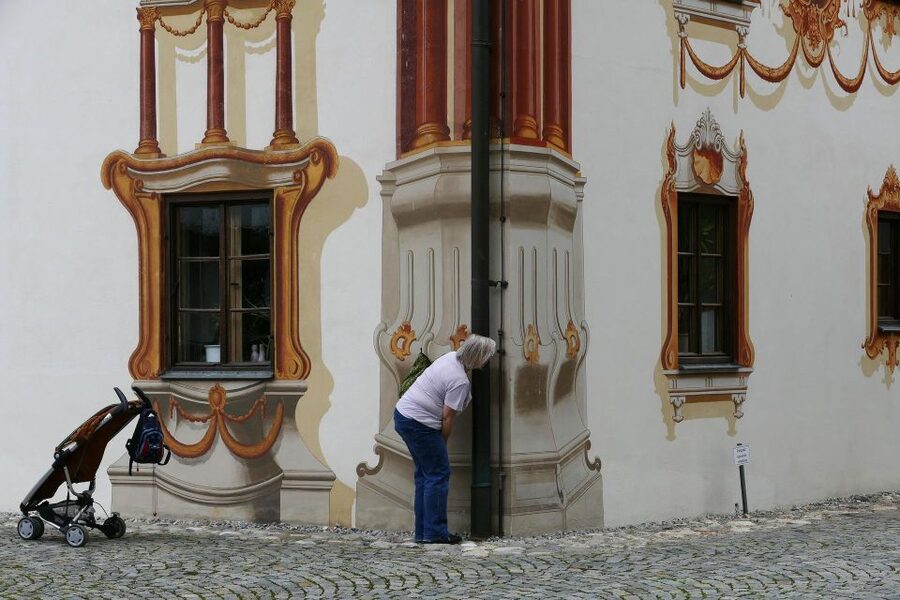
Oberammergau is famous for religious arts, but the town also has a harder layer. On this tour, you hear about WWII secrets, including references to Wehrmacht headquarters and a Messerschmitt factory.
This section can be uncomfortable in a way that is still useful. It keeps you from treating the village as only a cultural theme park. Even in small towns, big wars leave traces, sometimes in the form of factories, command centers, or economic structures that shaped who worked where and what resources moved.
What I find valuable is that these facts are tied to the rest of the tour rather than dropped as random trivia. When the guide keeps connecting the dots, you get a fuller sense of how a place can carry multiple identities at once: monastery roots and carving craft, pilgrimage tourism and performance tradition, then later, the gravity of WWII.
If you prefer history that stays strictly upbeat, this is not your only tone. But if you want a balanced view of the village, this is part of why the tour rating stays high. The best guided tours are not just about pretty scenes. They help you understand the whole story so the pretty scenes have context.
How Much Value You Get for $280 Per Group
This tour costs $280 per group, for up to 15 people, and it lasts 90 minutes. That pricing structure matters. You are not paying per person. You are paying for private, guided time as a group, which can make it good value for families, small friends groups, or couples traveling with a second couple.
You also get a local professional guide who will be with your group only. That alone can be worth it here, because the best parts of Oberammergau are the ones you can miss if you do not know where to look. Wood carving references, Märchenhäuser details, and the link between monastery roots, pilgrimage routes, and how those forces shaped crafts are exactly the kind of information that a guide makes much easier.
Entrance fees are not included, so you should expect any museum-style stops or paid entries to be extra if you choose them. Also, the tour includes possible customizing on the spot. That means you can likely push the guide toward your top interests, like Passion Play origins, wood carving, fairy-tale houses, or the WWII threads.
From a value standpoint, I think this tour is best when you treat it like context-setting. Do it early in your Oberammergau time, and you will understand what you see when you return for independent wandering.
Who This Private Walking Tour Suits Best
This is a strong match if you:
- Want a private, local-guided introduction to Oberammergau in a short time
- Care about how traditions start, like the origins of the Passion Play and why Oberammergau became known for it
- Enjoy learning through visual cues, especially wood carving and Märchenhäuser storytelling
- Like history that includes both religious devotion and the harder parts, like WWII references
It may be less ideal if you:
- Want a long, slow walk with lots of stops at your own pace for browsing
- Expect a lot of indoor time, since the core experience is built around walking the town and interpreting what you see
One more thing: small-group personal interaction is a theme here. In one example, Ekaterina led a private group of four and was praised for being knowledgeable, articulate, and engaging with historical notes. That kind of guiding tends to make the village feel less like facts and more like a living place.
Should You Book This Oberammergau Tour?
If your goal is to understand why Oberammergau is famous, and you want that explained by someone who can connect Passion Play origins, Märchenhäuser clues, and wood carving traditions into one walk, I would book it. The 90-minute length is also a practical sweet spot. You get a coherent story without committing a full day.
Before you reserve, do a quick self-check. If you are excited by blending sacred and everyday history, and you like tours where you learn to read what you see, this should land well. If you are mostly hoping for a casual stroll with zero historical context, you might find a guided format more structured than you want. Either way, the private nature, group-based pricing, and on-the-spot customizing are solid reasons to choose it.
FAQ
Where is the meeting point for the Oberammergau Private Guided Walking Tour?
You meet in front of the tourist office at Eugen-Papst-Straße 9A, 82487 Oberammergau, Germany.
How long is the tour?
The tour is 90 minutes.
What language is the guide available in?
The live tour guide is available in English and German.
Is this a private group tour?
Yes, it is a private group tour.
What is included in the price, and are there entrance fees?
The price includes a local professional guide who will be with your group only. Entrance fees are not included.
How much does it cost and how many people are included?
It costs $280 per group for up to 15 people.
Recently added around Munich
- München: Vegetarische Viktualienmarkt-Probiertour Deutsch★ 4.8 · 6 reviews
- Private Transfer from Munich to Vienna with 2 hours for sightseeing★ 4.5 · 6 reviews
- Munich Walking Quiz: Explore and Discover the City’s Highlights★ 5.0 · 7 reviews
- Walking Tour on Resistance to Nazism in Munich★ 5.0 · 8 reviews
- 2 hour Sights Guided E-Scooter Tour in Munich★ 4.0 · 6 reviews
- Private Transfer from Munich to Salzburg with 2 hours for sightseeing★ 4.5 · 13 reviews
- From Munich: Neuschwanstein Castle and Linderhof Private Tour★ 5.0 · 13 reviews
- Paul’s Private Tour Munich Highlights★ 5.0 · 3 reviews
Guided, compared.


Munich’s Beer Halls and Breweries: 3-Hour Guided Tour
Read our review →
Guided Dachau Concentration Camp Memorial Site Tour with Train from Munich
Read our review →
Birthplace of the Third Reich Guided Walking Tour
Read our review →
Classic Guided City Tour by Bike (English Tour Only)
Read our review →
Neuschwanstein Castle Entry Ticket and Audio Guide
Read our review →